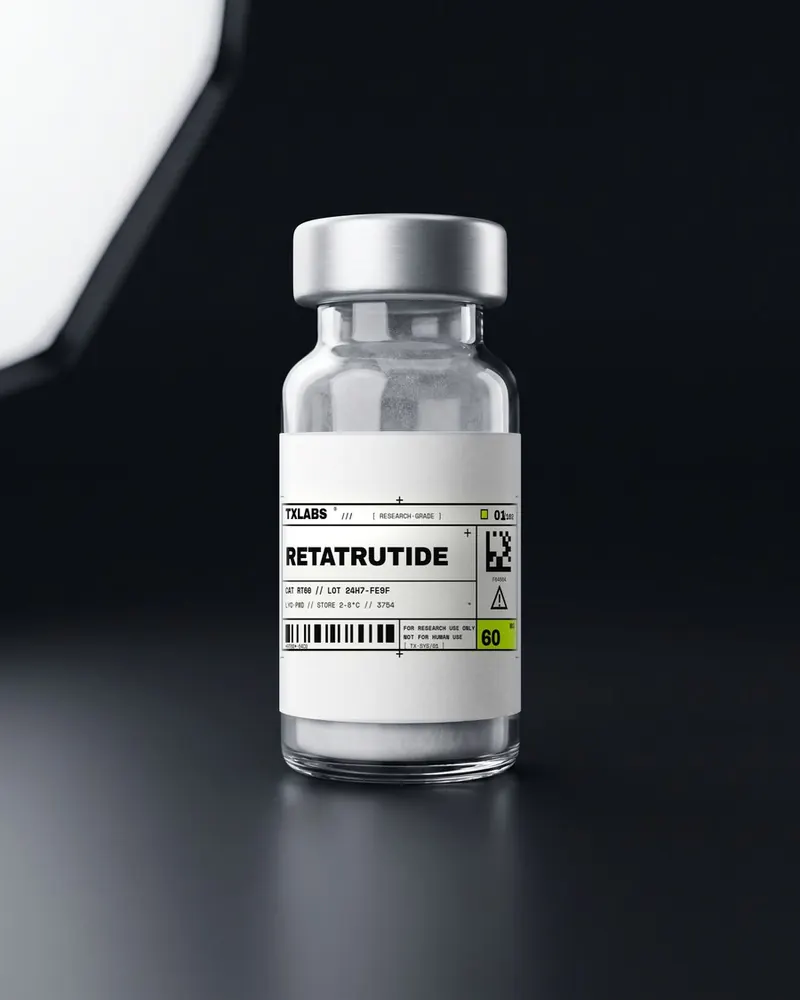
Retatrutide
Retatrutide (LY3437943) is a synthetic triple agonist peptide that activates the GLP-1, GIP and glucagon receptors. It is studied in preclinical research on energy metabolism, appetite signalling and glucose regulation, and is supplied strictly as a reference material for laboratory use.
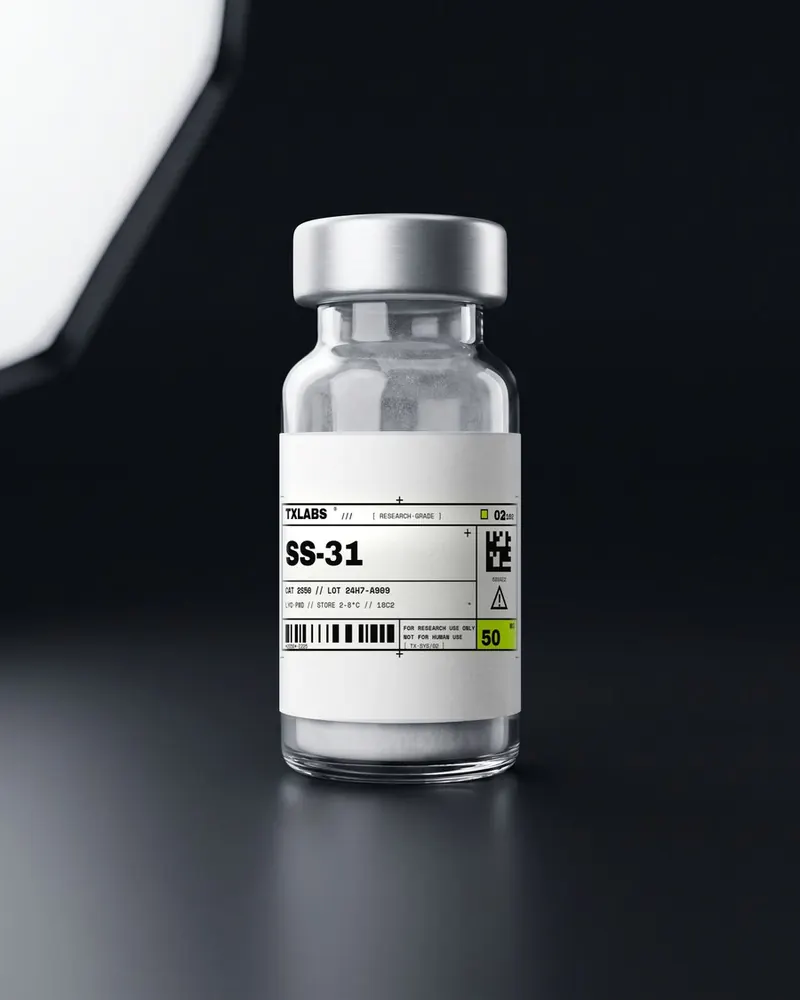
SS-31
SS-31 (elamipretide, MTP-131, Bendavia) is a mitochondria-targeting tetrapeptide that binds cardiolipin on the inner mitochondrial membrane. It is investigated in research on mitochondrial bioenergetics, oxidative stress and cellular energy production.
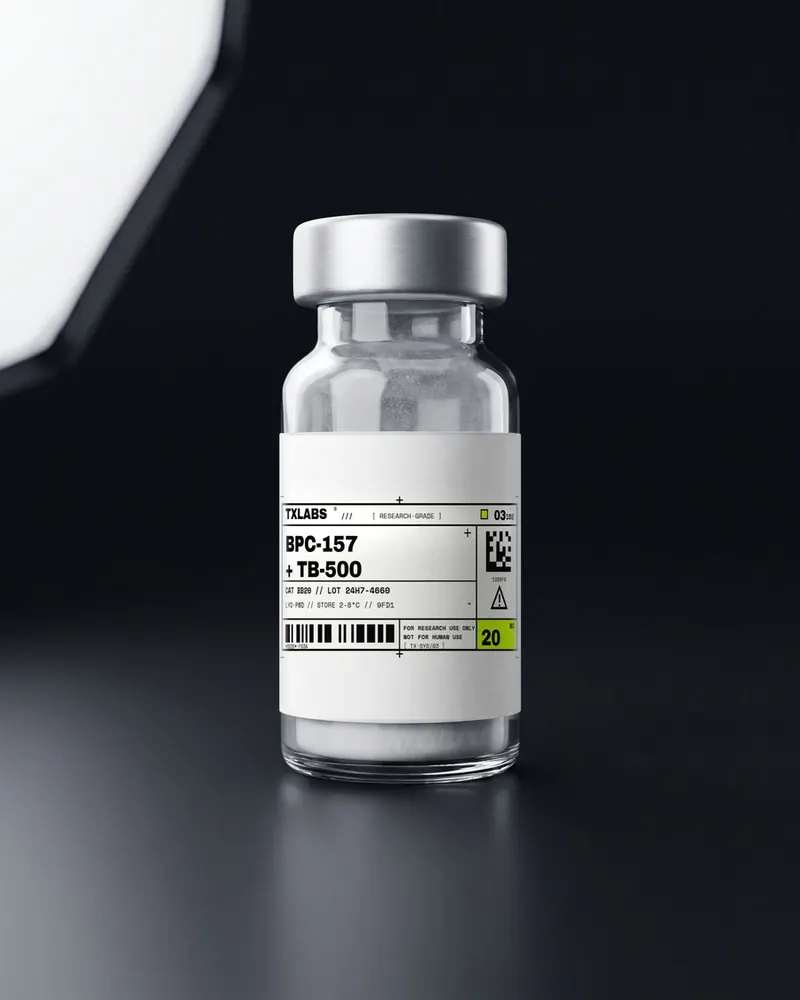
BPC 10mg + TB 10mg
BPC 10mg + TB 10mg is a research blend combining BPC-157, a synthetic pentadecapeptide, with TB-500, a fragment of thymosin beta-4. BPC-157 is studied for angiogenesis and tissue-repair signalling, while TB-500 is investigated in research on actin regulation and cell migration.

Tesamorelin
Tesamorelin (TH9507) is a stabilised growth hormone-releasing hormone (GHRH) analogue that stimulates somatotroph cells of the pituitary. It is studied in preclinical research on the growth hormone and IGF-1 axis and on lipid metabolism.
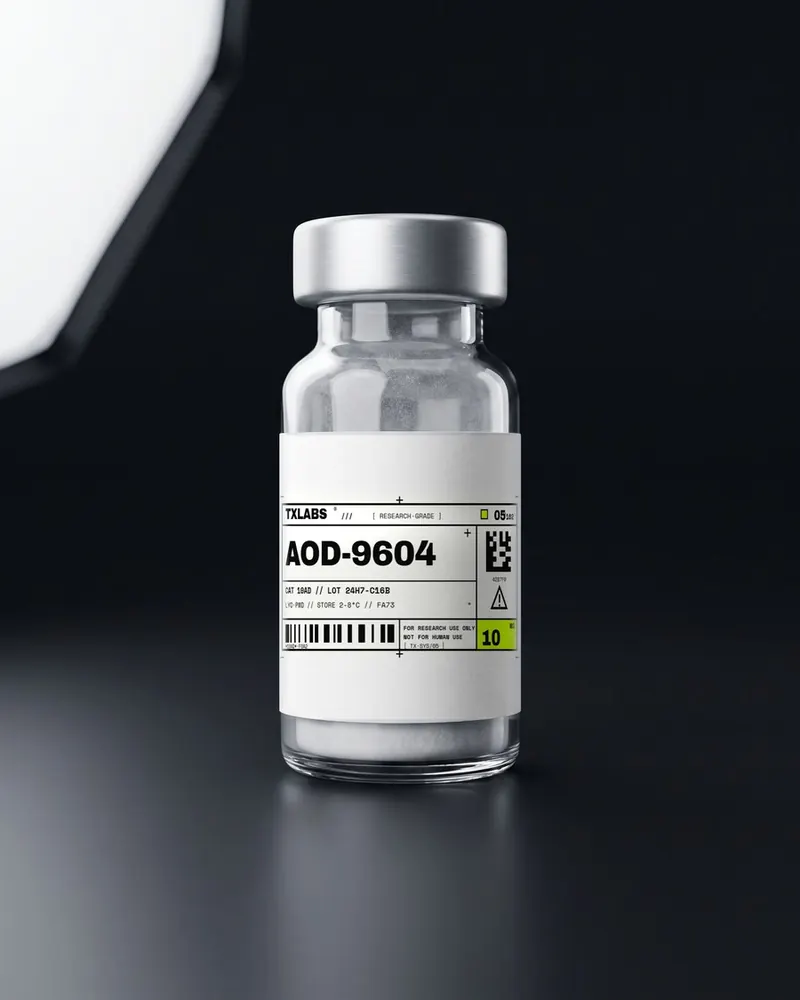
AOD9604
AOD9604 is a synthetic peptide fragment of human growth hormone (hGH 176-191) noted for its lipolytic activity. It is investigated in laboratory research on fat metabolism and lipid mobilisation without affecting IGF-1 signalling.
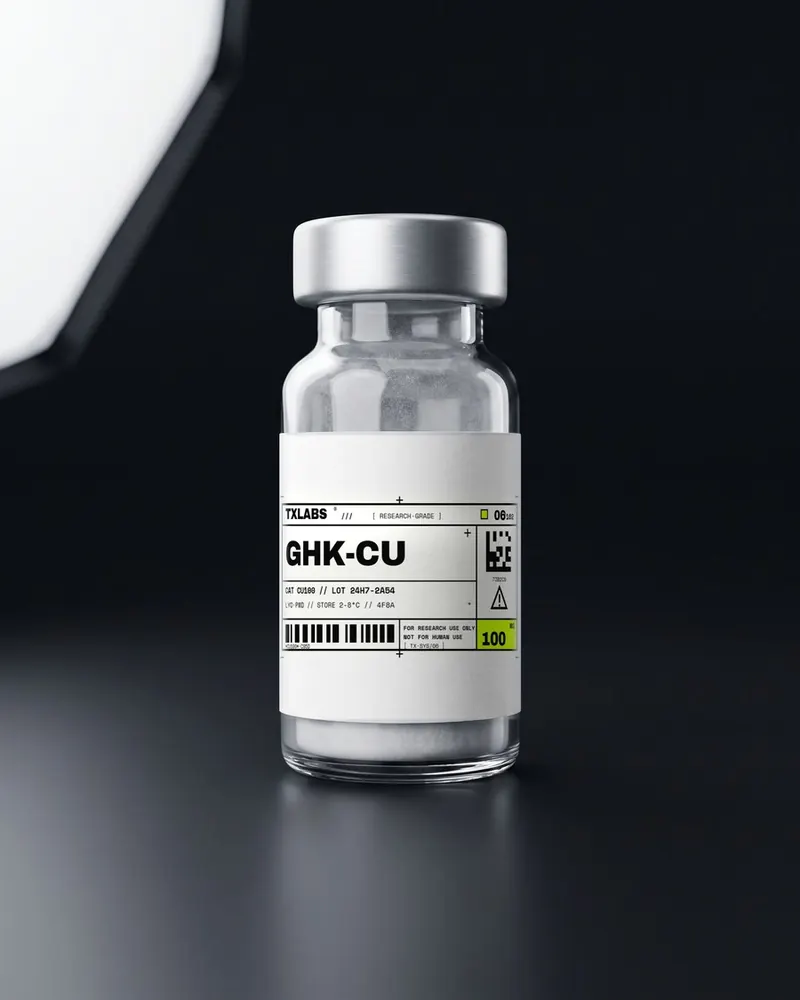
GHK-CU
GHK-Cu (copper tripeptide-1, glycyl-L-histidyl-L-lysine copper complex) is a copper-binding peptide that modulates tissue remodelling. It is studied in research on collagen synthesis, wound-repair signalling and antioxidant pathways.
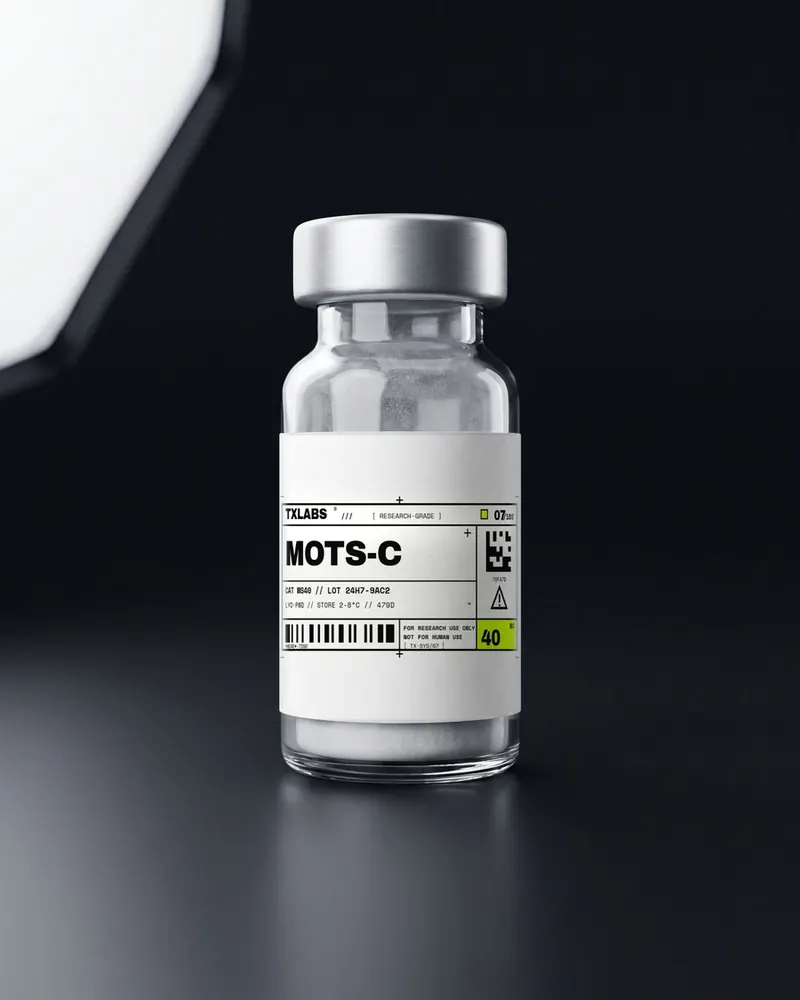
MOTS-c
MOTS-c is a mitochondrial-derived peptide encoded within the 12S rRNA region of mitochondrial DNA that helps regulate metabolic homeostasis. It is investigated in research on AMPK signalling, insulin sensitivity and exercise physiology.
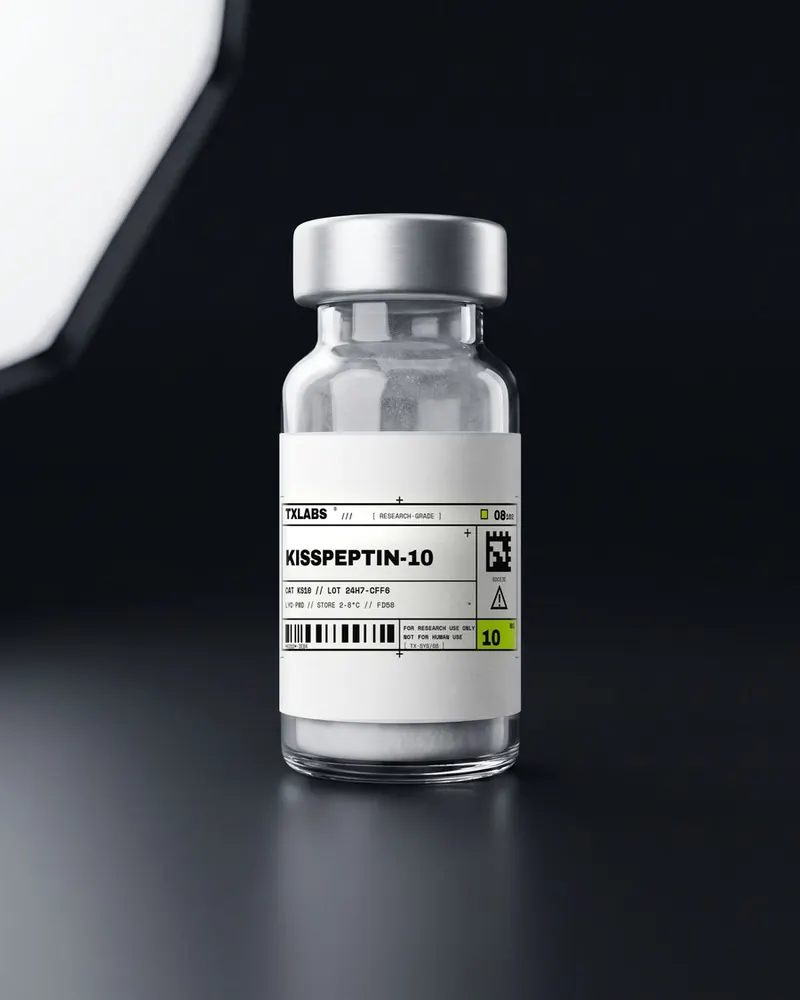
KissPeptin-10
KissPeptin-10 (kisspeptin-10, metastin fragment) is a decapeptide that stimulates gonadotropin-releasing hormone (GnRH) neurons. It is studied in reproductive endocrinology research on the hypothalamic-pituitary-gonadal axis and LH and FSH secretion.
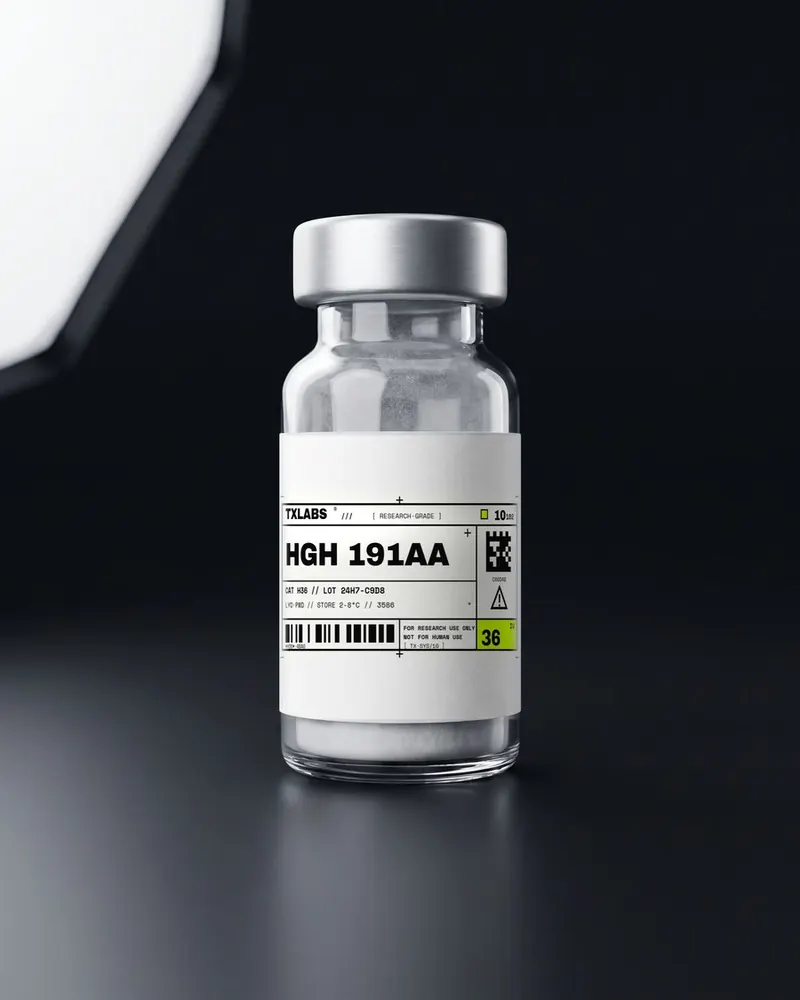
HGH 191AA(Somatropin)
HGH 191AA (somatropin, recombinant human growth hormone) is a 191-amino-acid polypeptide identical in sequence to endogenous growth hormone. It is used as a reference material in research on the GH and IGF-1 axis, protein synthesis and cellular growth.

MT-1
MT-1 (Melanotan 1, afamelanotide) is a synthetic analogue of alpha-melanocyte-stimulating hormone that activates melanocortin-1 receptors. It is studied in research on melanogenesis and photoprotective pigmentation pathways.
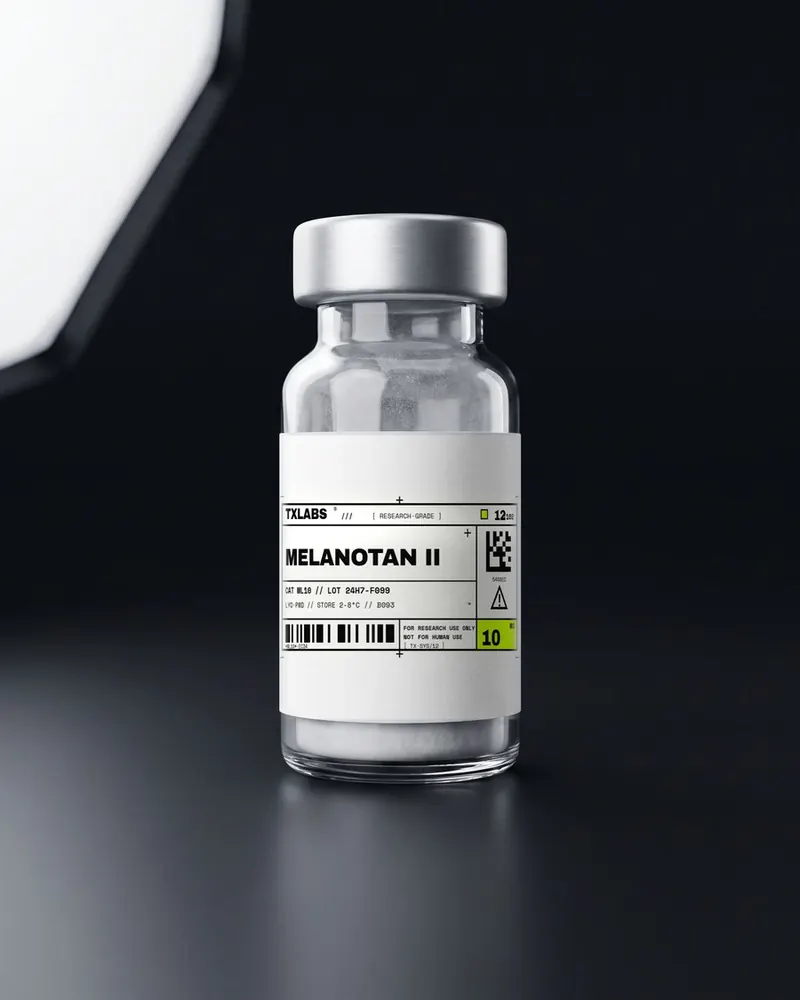
MT-2 (Melanotan 2 Acetate)
MT-2 (Melanotan 2 acetate) is a synthetic analogue of alpha-melanocyte-stimulating hormone and a non-selective melanocortin receptor agonist. It is investigated in research on melanogenesis and melanocortin signalling pathways.
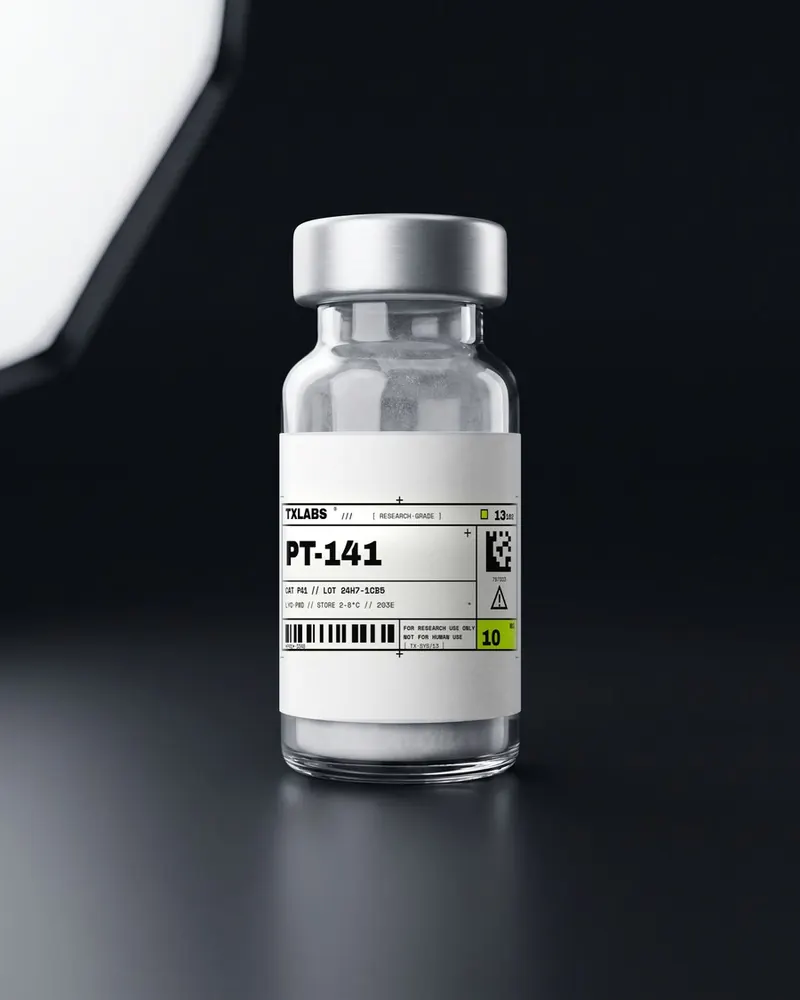
PT-141
PT-141 (bremelanotide) is a melanocortin receptor agonist peptide derived from Melanotan 2 that acts on MC4 receptors in the nervous system. It is studied in research on melanocortin signalling and neurobehavioural pathways.

Gonadorelin Acetate
Gonadorelin acetate (GnRH, LHRH) is a synthetic decapeptide that stimulates the pituitary release of LH and FSH. Identical to endogenous gonadotropin-releasing hormone, it is used as a reference material in research on the hypothalamic-pituitary-gonadal axis.
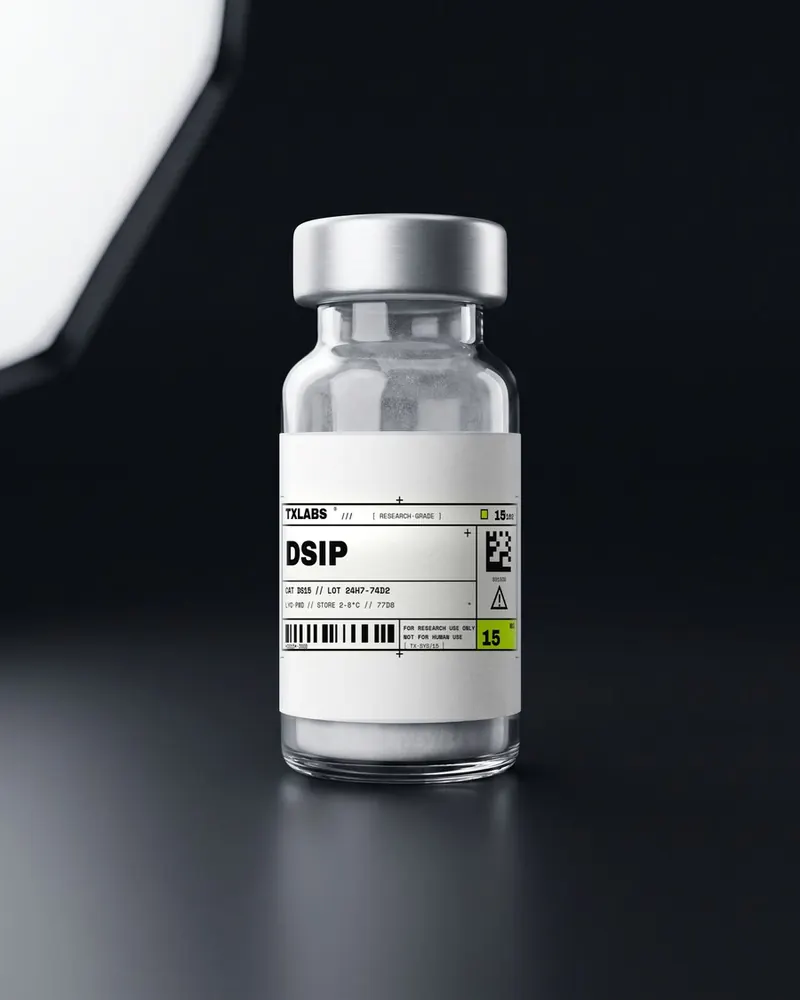
DSIP
DSIP (delta sleep-inducing peptide) is a naturally occurring neuromodulatory nonapeptide first isolated from cerebral venous blood. It is investigated in research on sleep regulation, neuroendocrine signalling and stress-response pathways.
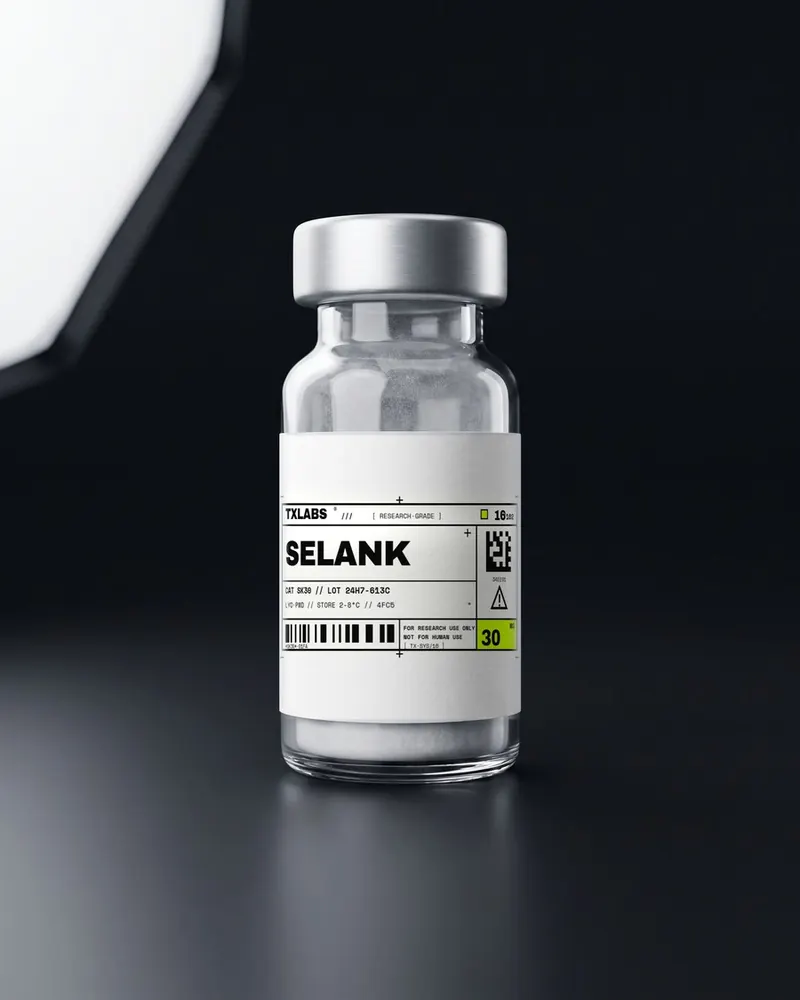
Selank
Selank is a synthetic heptapeptide anxiolytic and analogue of the immunomodulatory peptide tuftsin. It has been investigated in preclinical research on GABAergic and serotonergic signalling, brain-derived neurotrophic factor expression, and stress-response modulation. Selank is studied as a reference compound in neuropeptide and behavioural neuroscience models.
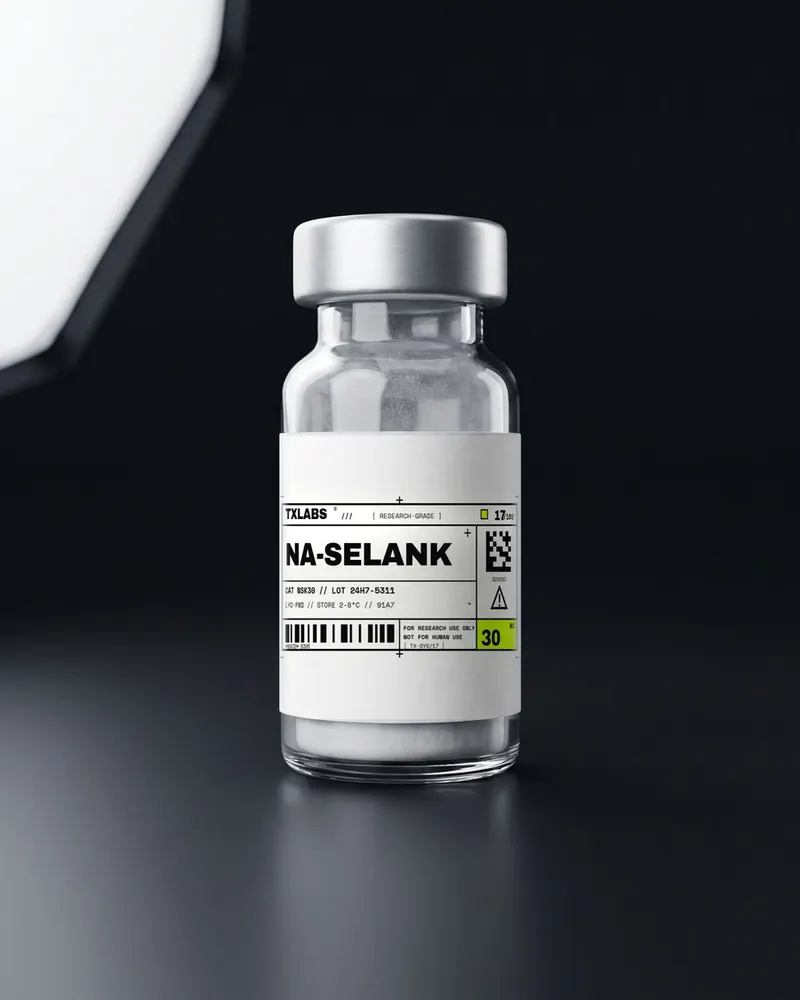
NA Selank amidate
NA Selank amidate (N-acetyl Selank amidate) is a chemically modified, terminally protected analogue of the tuftsin-derived heptapeptide Selank. The N-acetylation and C-terminal amidation are studied for their influence on peptide stability, enzymatic resistance and bioavailability. It serves as a research reference in neuropeptide and anxiolytic peptide studies.
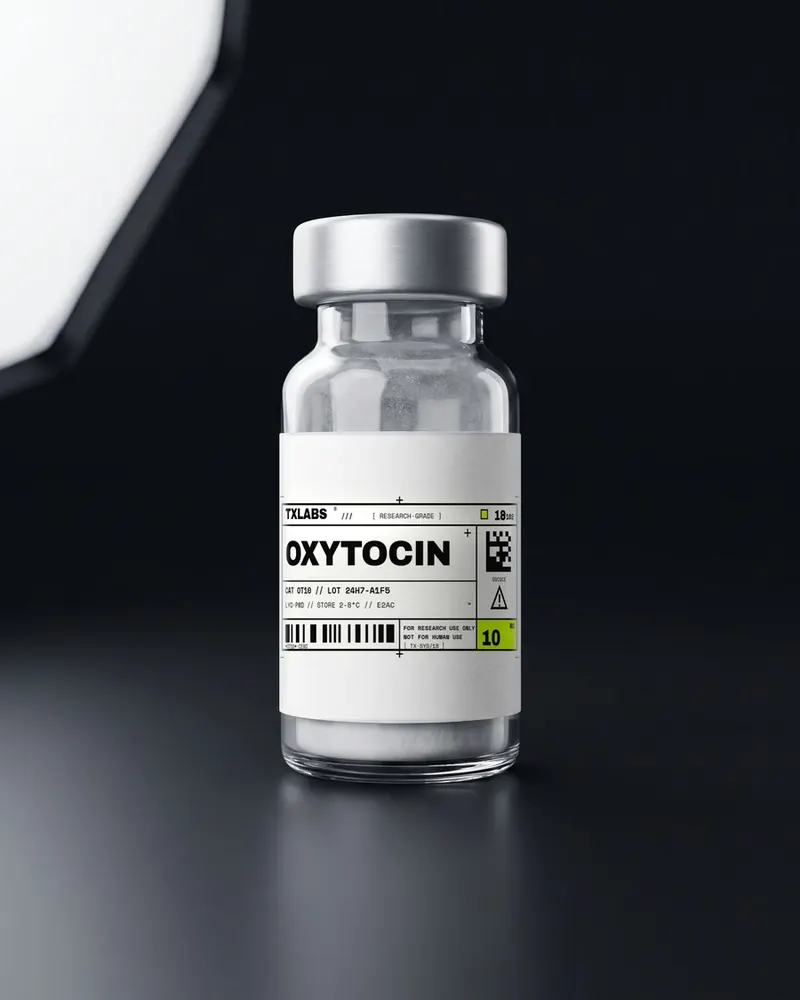
Oxytocin Acetate
Oxytocin Acetate is the acetate salt of oxytocin, a nine-amino-acid cyclic neuropeptide hormone that binds the oxytocin receptor. It is used in laboratory studies of social behaviour, receptor pharmacology, uterine and smooth-muscle physiology, and neuroendocrine signalling. Oxytocin Acetate is a common reference material in peptide hormone research.
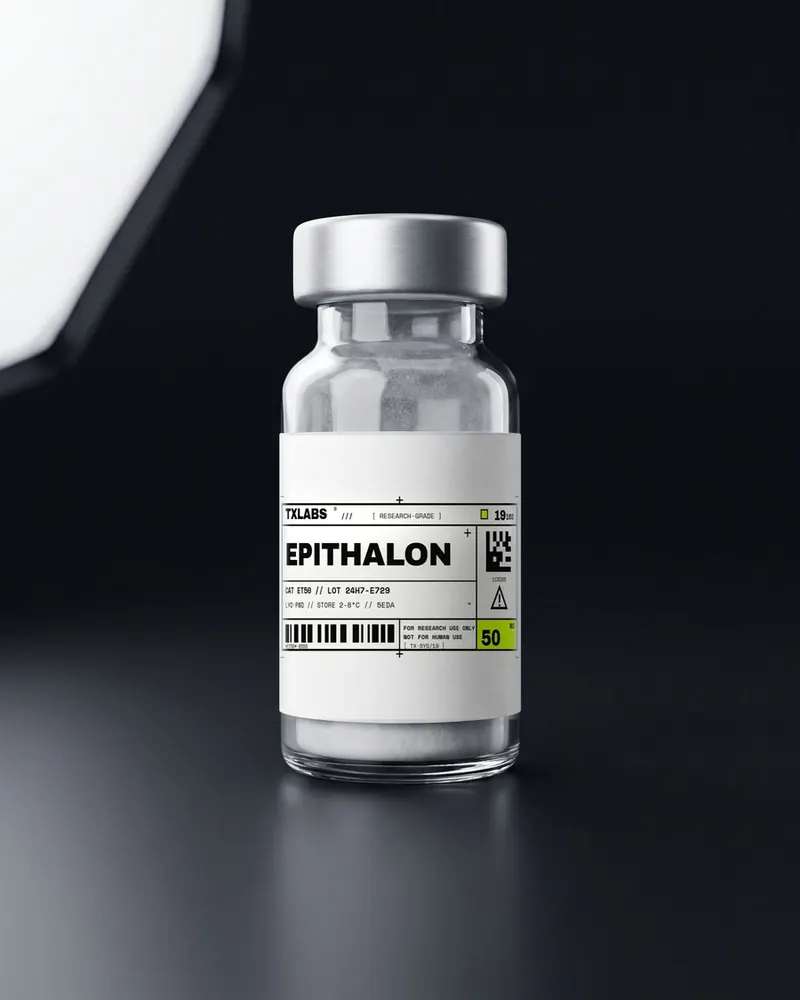
Epithalon
Epithalon (Epitalon, Ala-Glu-Asp-Gly) is a synthetic tetrapeptide modelled on the pineal peptide epithalamin. It has been investigated in research on telomerase activity, telomere dynamics, circadian and pineal regulation, and cellular senescence. Epithalon is studied as a reference compound in ageing and gerontology models.
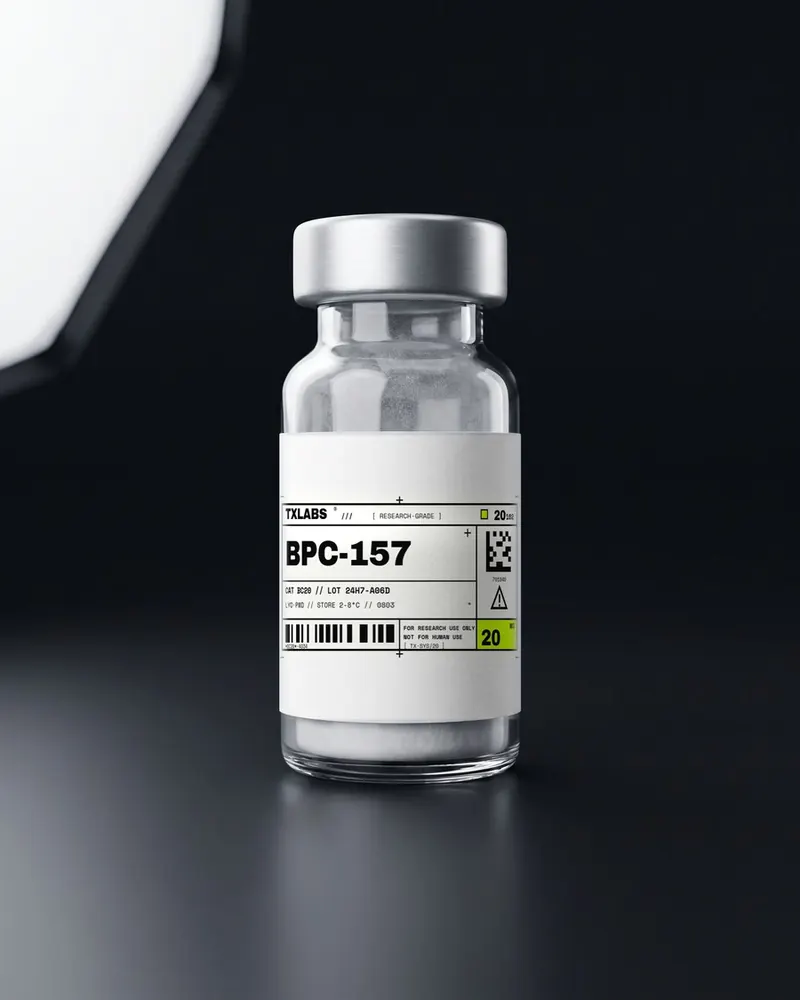
BPC 157
BPC 157 (Body Protection Compound 157) is a synthetic pentadecapeptide derived from a sequence found in human gastric juice. It has been studied in preclinical research on angiogenesis, growth-factor signalling, tendon and gut tissue-repair mechanisms, and the gut-brain axis. BPC 157 is a widely used reference peptide in tissue-healing models.
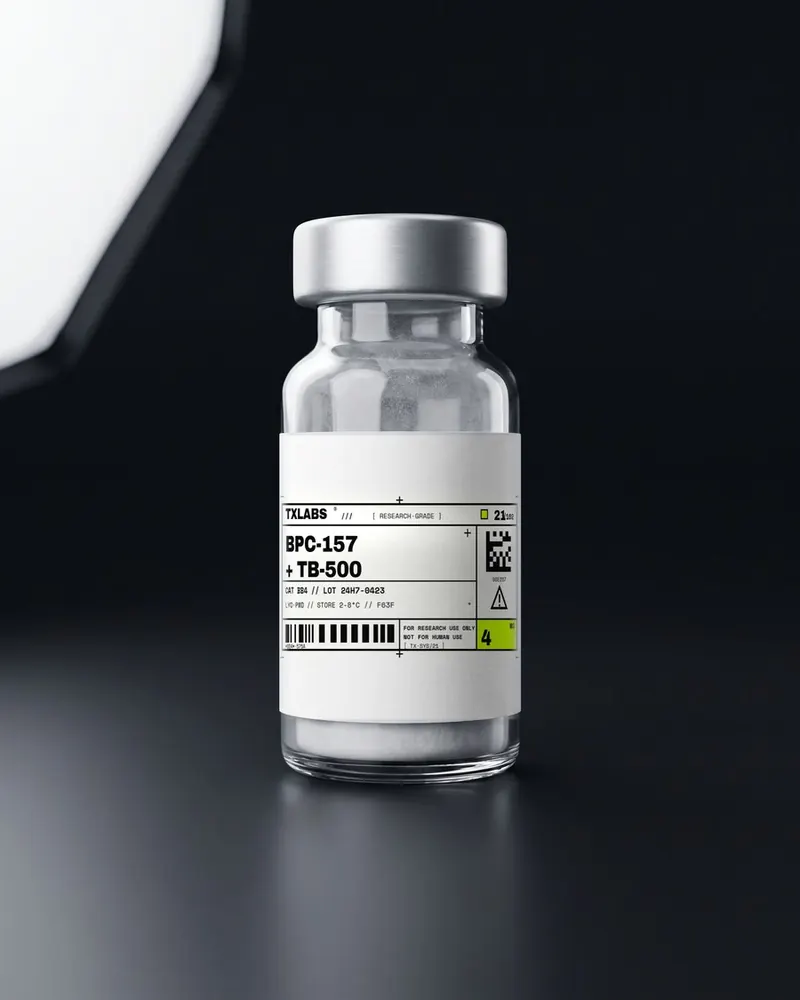
BPC 2mg + TB 2mg
BPC 2mg + TB 2mg is a research blend combining the gastric-derived pentadecapeptide BPC 157 with Thymosin Beta-4 fragment (TB-500), each at 2mg. BPC 157 is studied for angiogenesis and tissue-repair signalling, while TB-500 is investigated for actin binding, cell migration and vascular remodelling. The combination is a reference material in regenerative-peptide studies.
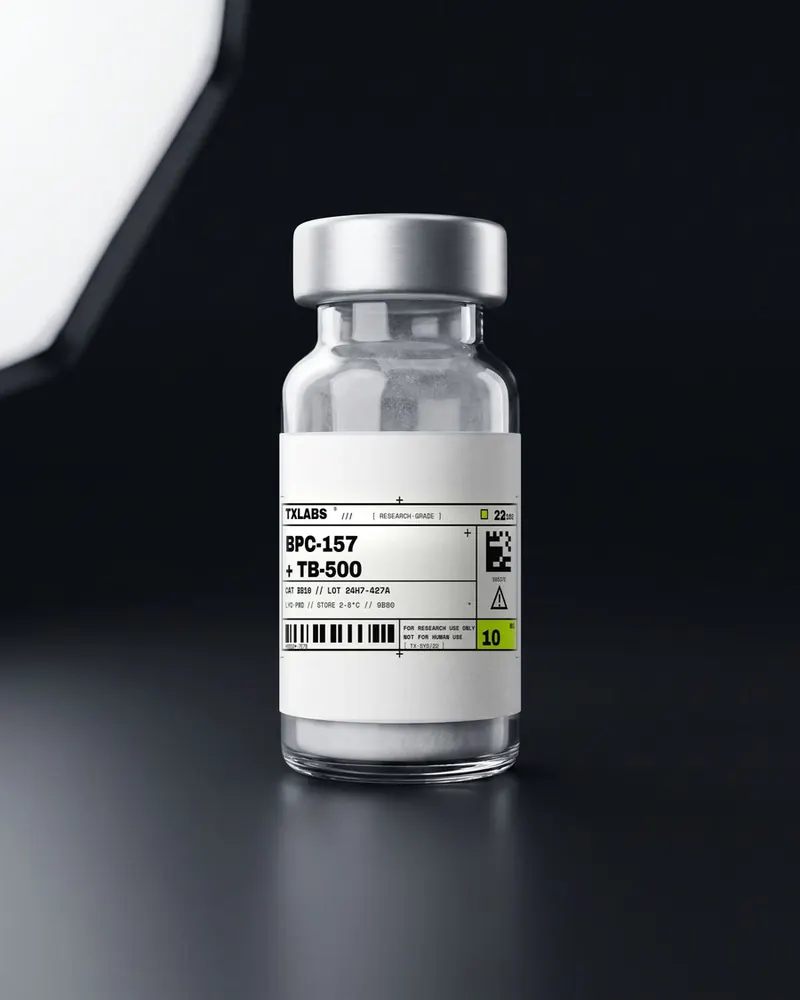
BPC 5mg + TB 5mg
BPC 5mg + TB 5mg is a research blend of the pentadecapeptide BPC 157 with Thymosin Beta-4 fragment (TB-500), each at 5mg. BPC 157 is studied for angiogenesis and tissue-repair pathways, and TB-500 for actin sequestration, cell migration and angiogenesis. The blend is used as a reference material in preclinical regenerative and wound-healing models.
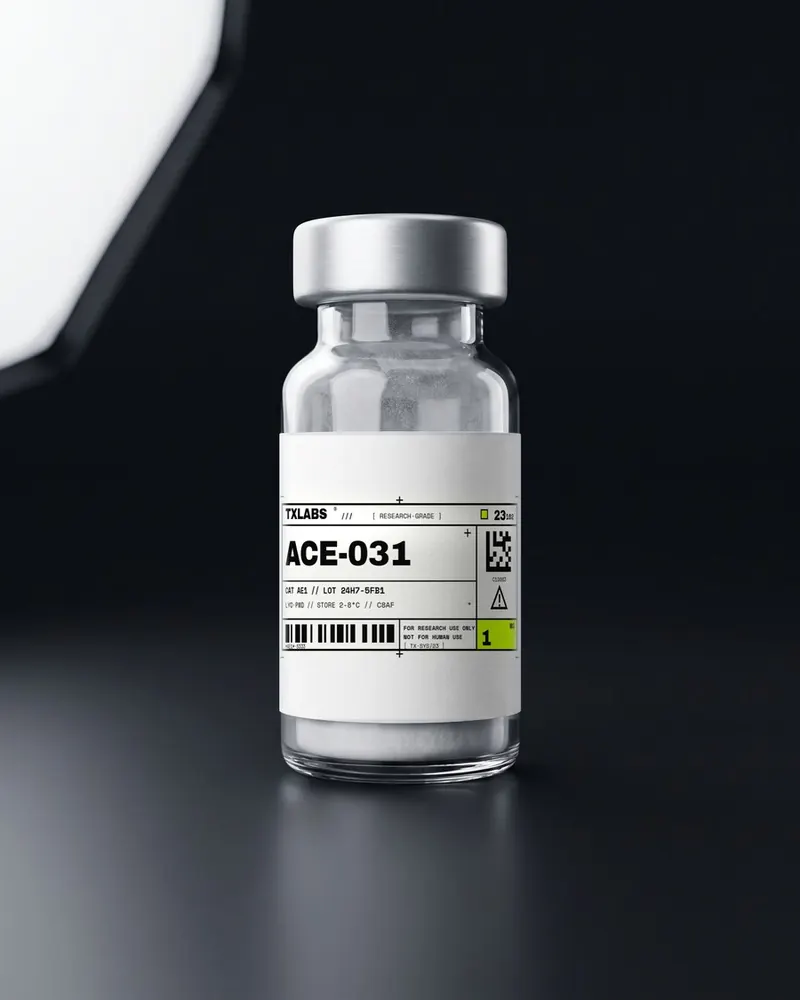
ACE-031
ACE-031 (RAP-031) is a soluble activin receptor type IIB (ActRIIB-Fc) fusion protein that acts as a myostatin and activin decoy receptor. It has been investigated in preclinical research on the myostatin-ActRIIB-SMAD pathway, skeletal-muscle mass regulation and TGF-beta superfamily signalling. ACE-031 is a reference protein in muscle-biology studies.
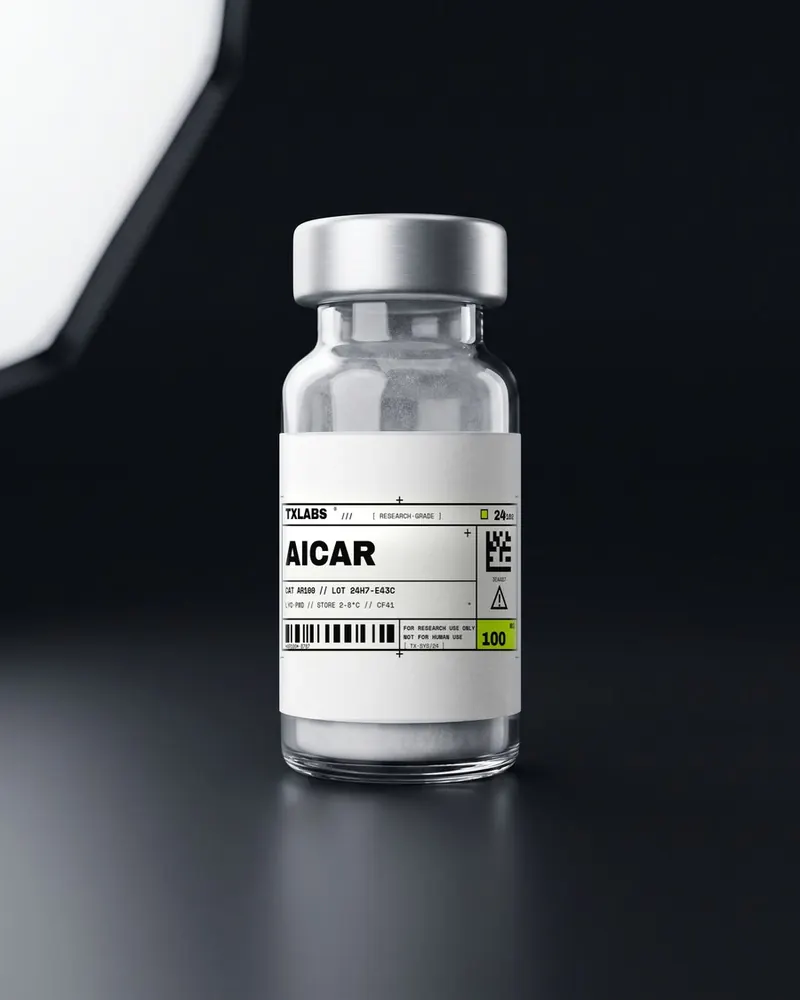
AICAR
AICAR (acadesine, 5-aminoimidazole-4-carboxamide ribonucleotide) is a nucleotide analogue and AMP-activated protein kinase (AMPK) activator. It is used in laboratory studies of cellular energy metabolism, glucose uptake, fatty-acid oxidation and mitochondrial biogenesis. AICAR is a standard research reference for probing the AMPK signalling pathway.
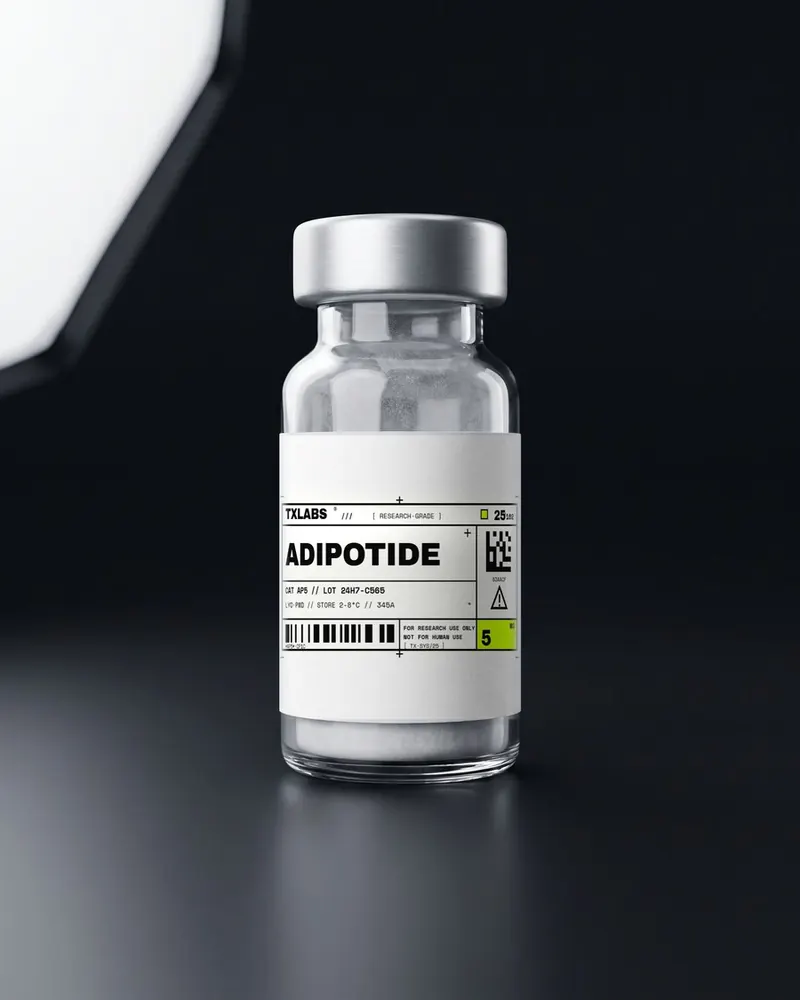
Adipotide
Adipotide (FTPP, prohibitin-targeting peptide) is a proapoptotic peptidomimetic that homes to prohibitin on white-adipose-tissue vasculature. It has been investigated in preclinical research on targeted endothelial apoptosis, adipose-tissue vascular biology and metabolic regulation. Adipotide serves as a reference compound in adipose and tumour-vasculature studies.

Semax
Semax is a synthetic heptapeptide analogue of the ACTH(4-10) fragment with nootropic and neuroprotective research interest. It has been studied in preclinical models of brain-derived neurotrophic factor expression, neuroplasticity, cerebral ischaemia and cognitive function. Semax is a common reference peptide in neuropharmacology research.
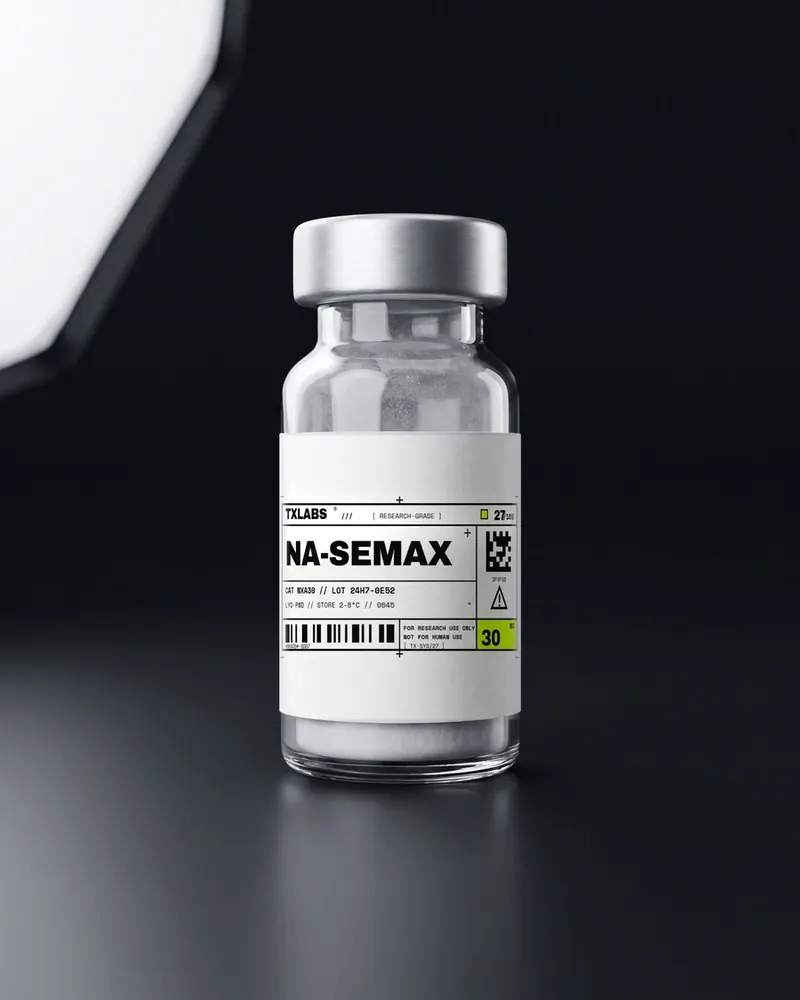
NA Semax amidate
NA Semax amidate (N-acetyl Semax amidate) is a chemically modified, terminally protected analogue of the ACTH(4-10)-derived heptapeptide Semax. The N-acetylation and C-terminal amidation are studied for their effect on peptidase resistance, stability and bioavailability. It is used as a research reference in neuropeptide and neuroprotection studies.
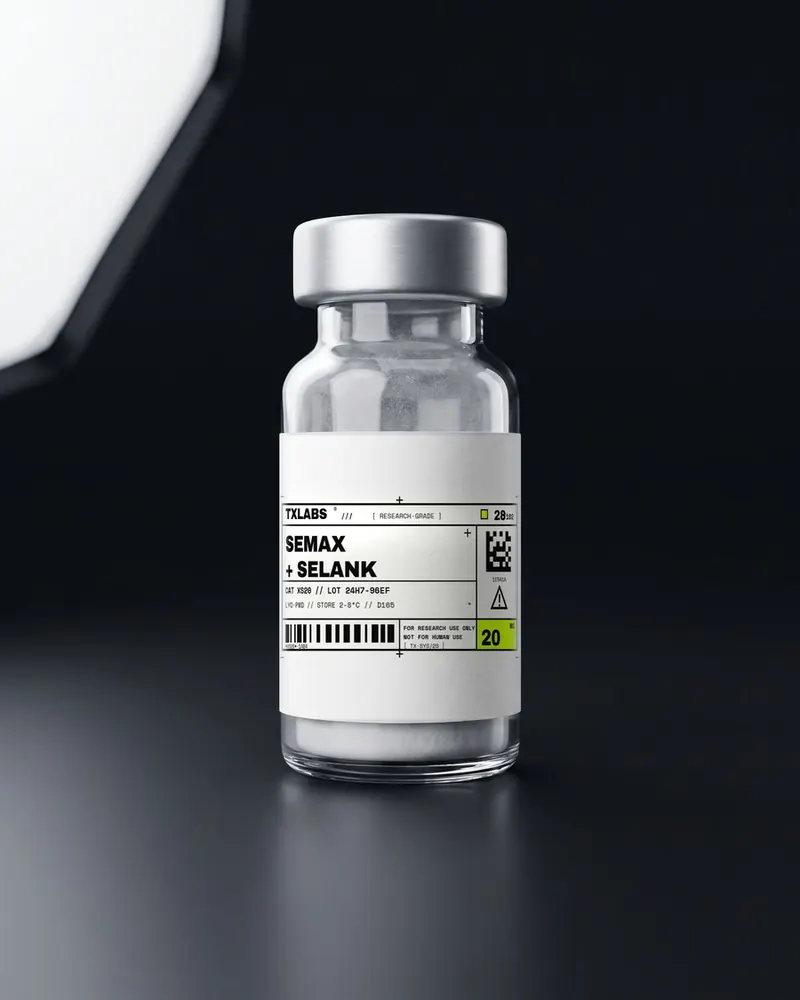
Semax 10mg+Selank 10mg
Semax 10mg+Selank 10mg is a research blend pairing the ACTH(4-10)-derived nootropic peptide Semax with the tuftsin-derived anxiolytic peptide Selank, each at 10mg. Semax is studied for neurotrophic and neuroplasticity signalling, and Selank for GABAergic and stress-response modulation. The combination is a reference material in neuropeptide research.

Semaglutide
Semaglutide is a long-acting glucagon-like peptide-1 (GLP-1) receptor agonist and analogue of native GLP-1. It is used in laboratory studies of incretin signalling, insulin secretion, glucose homeostasis, appetite pathways and receptor pharmacology. Semaglutide is a widely used reference compound in metabolic and GLP-1 research.
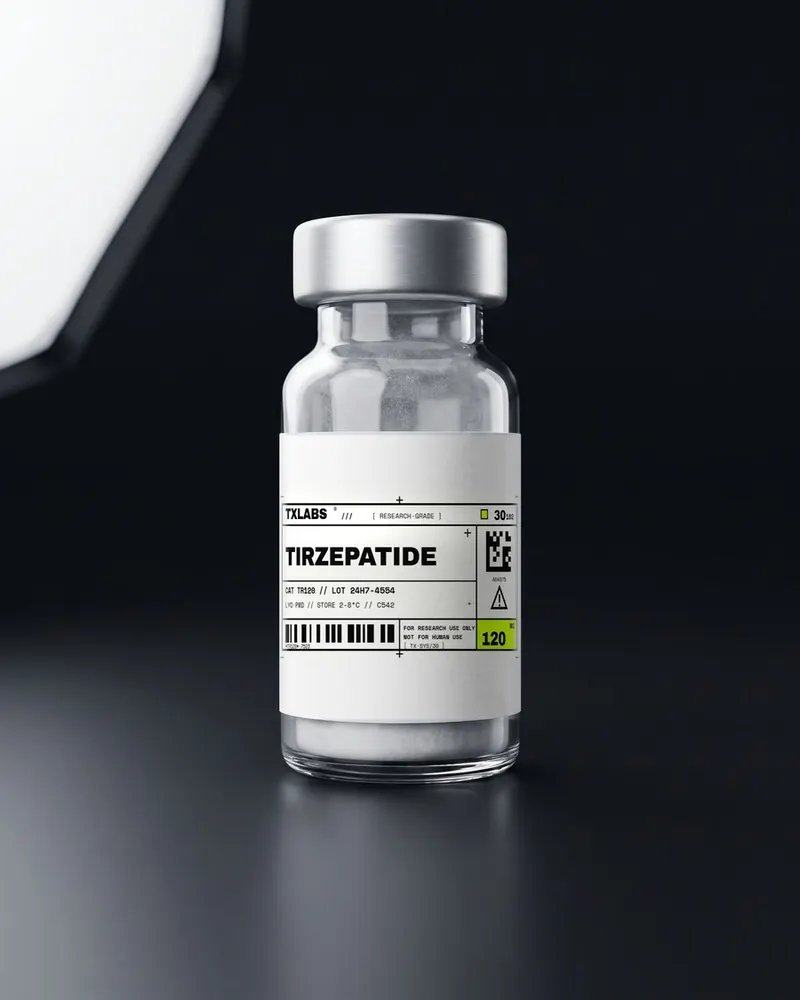
Tirzepatide
Tirzepatide is a synthetic dual GIP and GLP-1 receptor agonist (a unimolecular incretin peptide). It has been investigated in research on incretin receptor signalling, insulin secretion, glucose regulation and energy-metabolism pathways. Tirzepatide is a reference material in metabolic and receptor-pharmacology studies.
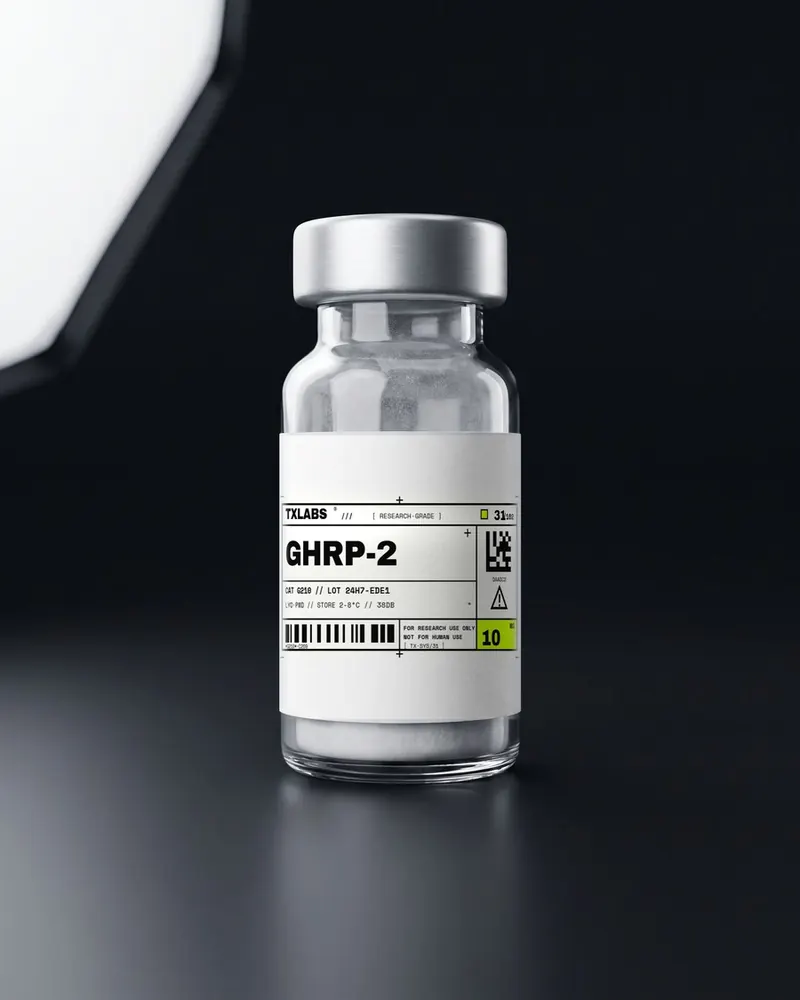
GHRP-2 Acetate
GHRP-2 (pralmorelin, Growth Hormone-Releasing Peptide-2) is a synthetic hexapeptide and ghrelin receptor agonist that triggers growth hormone release. It is studied in laboratory research on growth hormone secretagogue pathways and ghrelin/GHS-R receptor signalling as a reference peptide for endocrine studies.
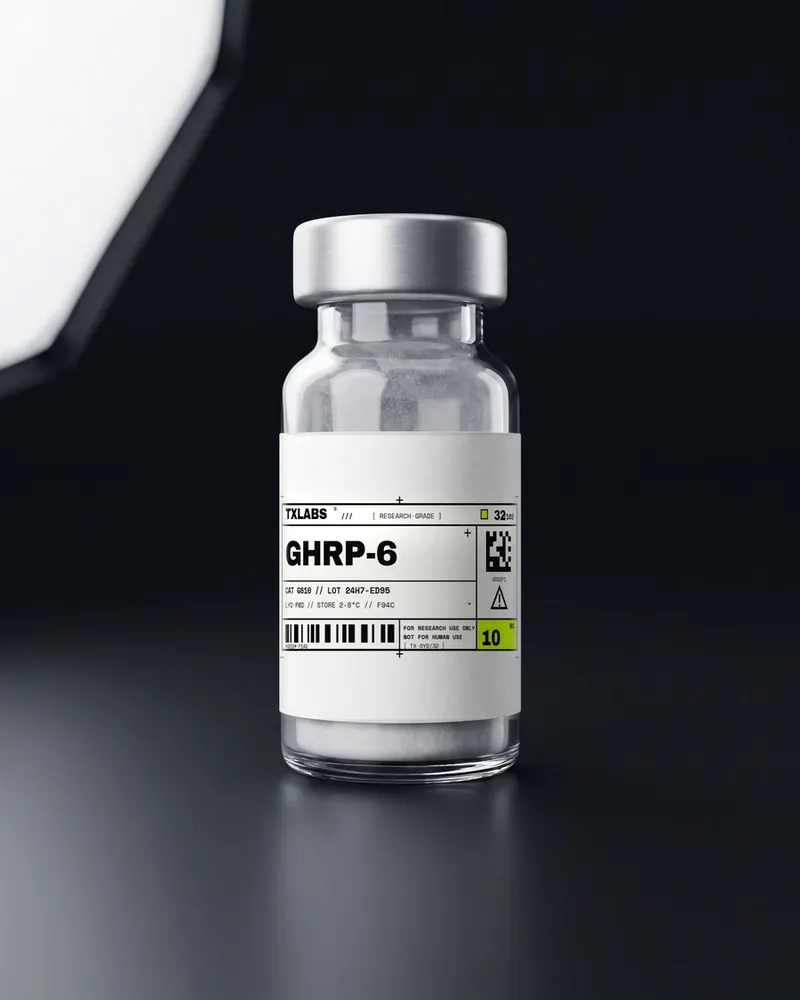
GHRP-6 Acetate
GHRP-6 (Growth Hormone-Releasing Peptide-6) is a synthetic hexapeptide ghrelin receptor agonist that stimulates growth hormone release. It is investigated in preclinical research on appetite signalling, the ghrelin/GHS-R axis and pituitary growth hormone secretion.
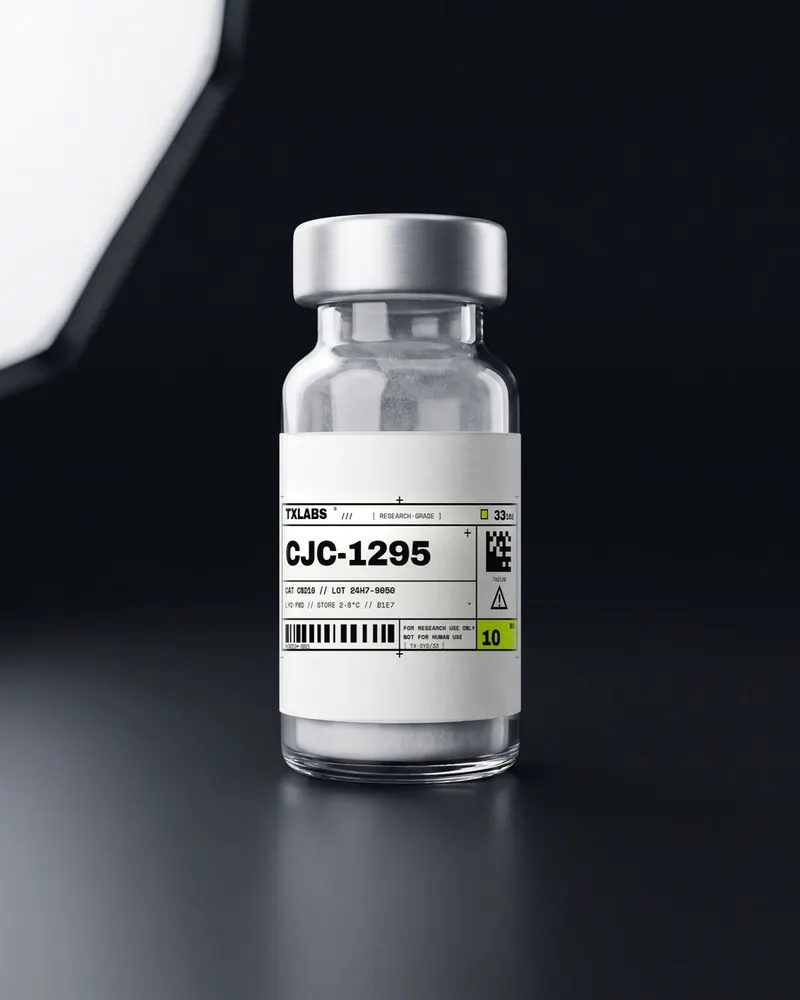
CJC-1295 without DAC
CJC-1295 without DAC (Modified GRF 1-29, Mod GRF 1-29) is a short-acting GHRH analogue that stimulates pulsatile growth hormone secretion. This modified peptide is studied in laboratory research on the growth hormone-releasing hormone receptor and is frequently paired with a ghrelin mimetic in research protocols.
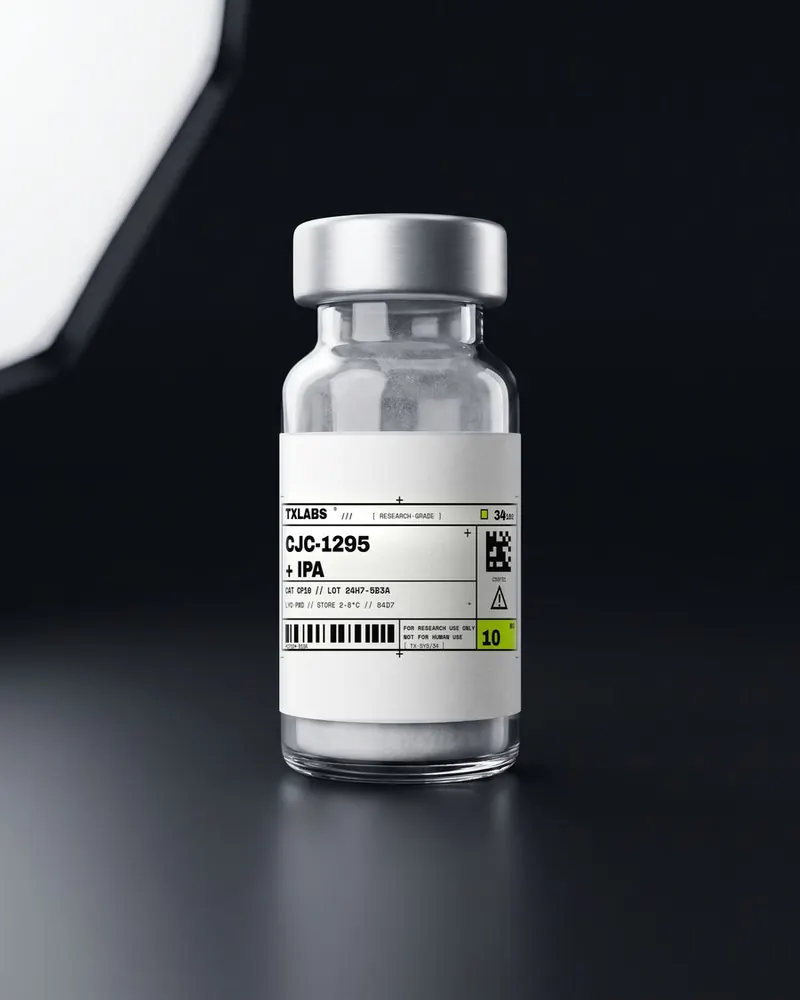
CJC-1295 without DAC 5mg + IPA 5mg
CJC-1295 without DAC + Ipamorelin (IPA) is a research blend pairing a short-acting GHRH analogue with a selective ghrelin receptor agonist. The Mod GRF 1-29 component acts on the GHRH receptor while Ipamorelin activates the ghrelin/GHS-R pathway, and the blend is studied for complementary growth hormone release.
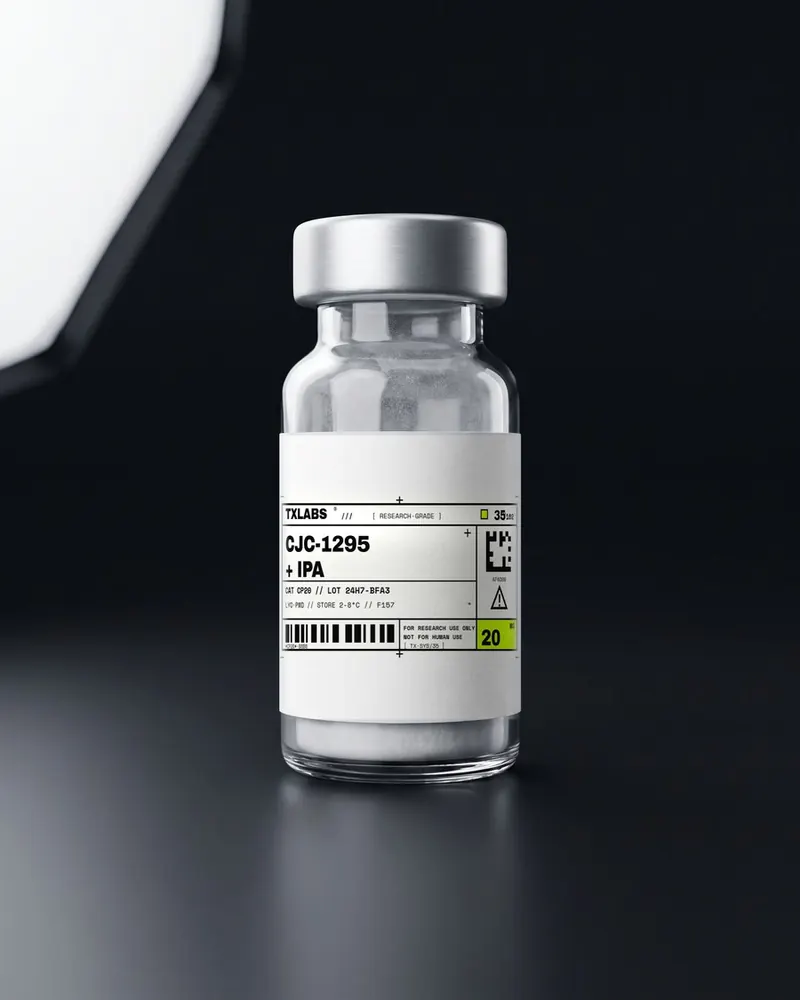
CJC-1295 without DAC 10mg + IPA 10mg
CJC-1295 without DAC + Ipamorelin (IPA) is a research blend pairing a short-acting GHRH analogue with a selective ghrelin receptor agonist. This 10mg + 10mg combination is studied for complementary growth hormone release, as Mod GRF 1-29 acts on the GHRH receptor and Ipamorelin on the ghrelin/GHS-R pathway.
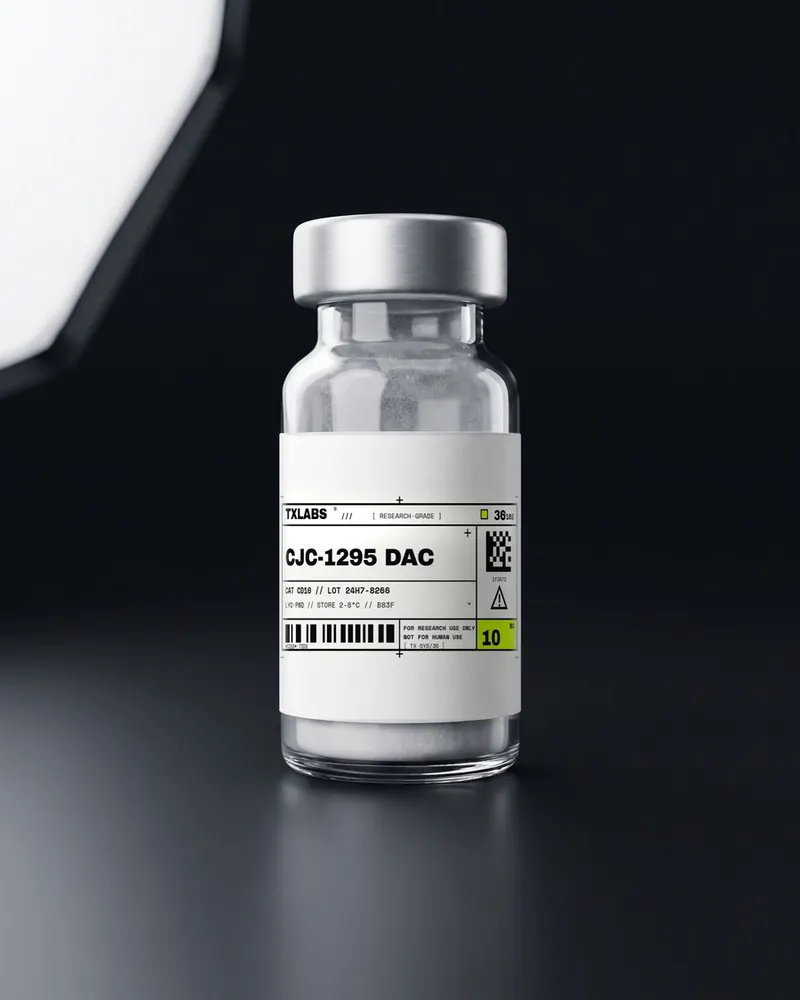
CJC-1295 With DAC
CJC-1295 with DAC (DAC:GRF) is a long-acting GHRH analogue whose Drug Affinity Complex binds albumin to prolong growth hormone release. It is investigated in preclinical research on sustained growth hormone-releasing hormone receptor stimulation and the GH/IGF-1 axis.
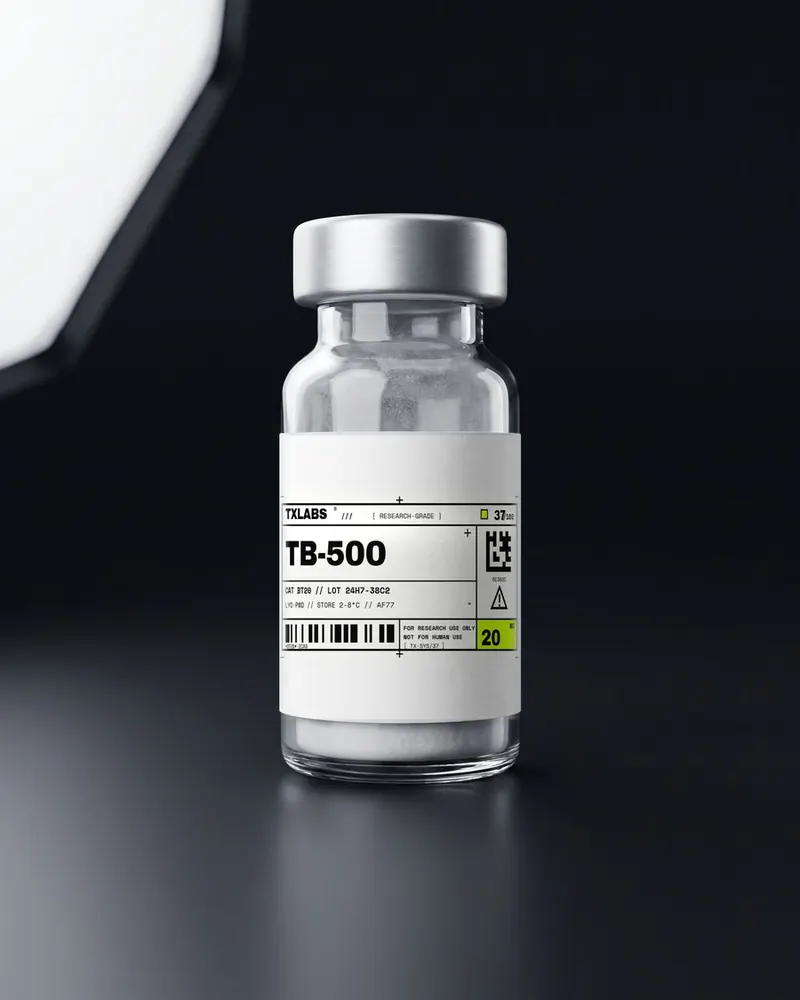
TB500(Thymosin B4 Acetate)
TB-500 (Thymosin Beta-4 acetate, Tb4) is a synthetic actin-binding peptide that regulates actin polymerisation and cell migration. It is studied in preclinical research on tissue repair, angiogenesis, inflammation and cytoskeletal organisation.
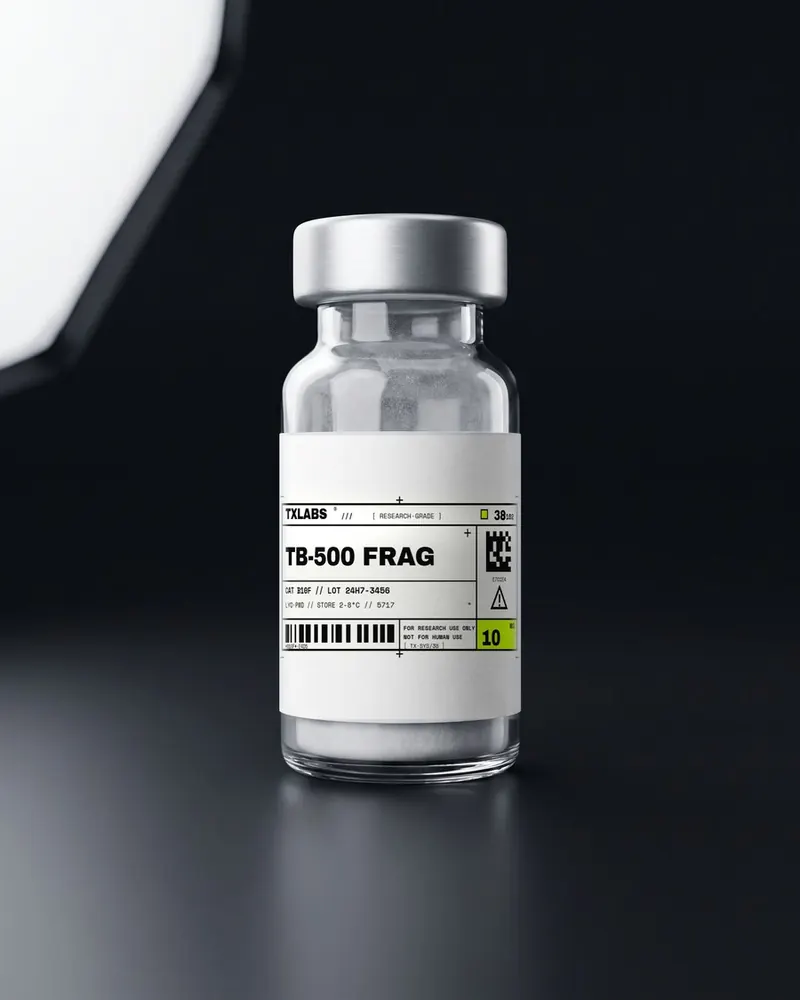
TB500(FRAG)
TB-500 (FRAG) is the Thymosin Beta-4 (1-4) fragment (Ac-SDKP), a tetrapeptide derived from thymosin beta-4. This N-acetyl Ser-Asp-Lys-Pro peptide is studied in preclinical research on anti-fibrotic signalling, angiogenesis and haematopoietic stem cell regulation.
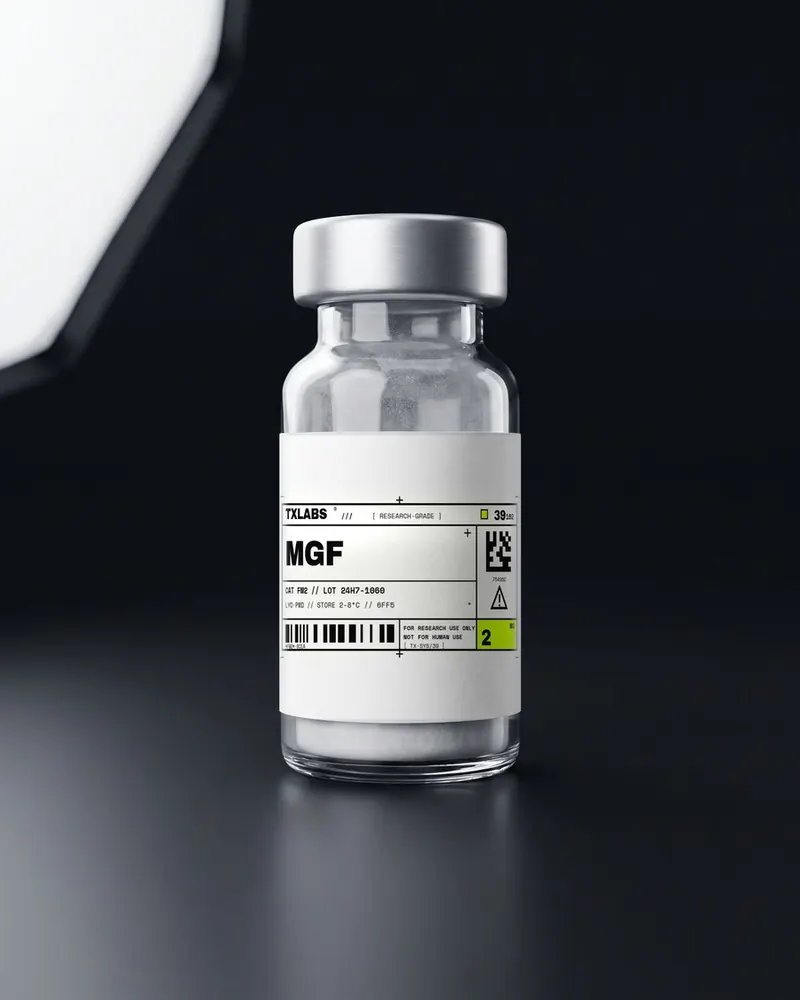
MGF
MGF (Mechano Growth Factor, IGF-1Ec) is a splice variant of insulin-like growth factor 1 expressed in response to mechanical loading of muscle. It is studied in preclinical research on satellite cell activation, myogenesis and skeletal muscle repair.
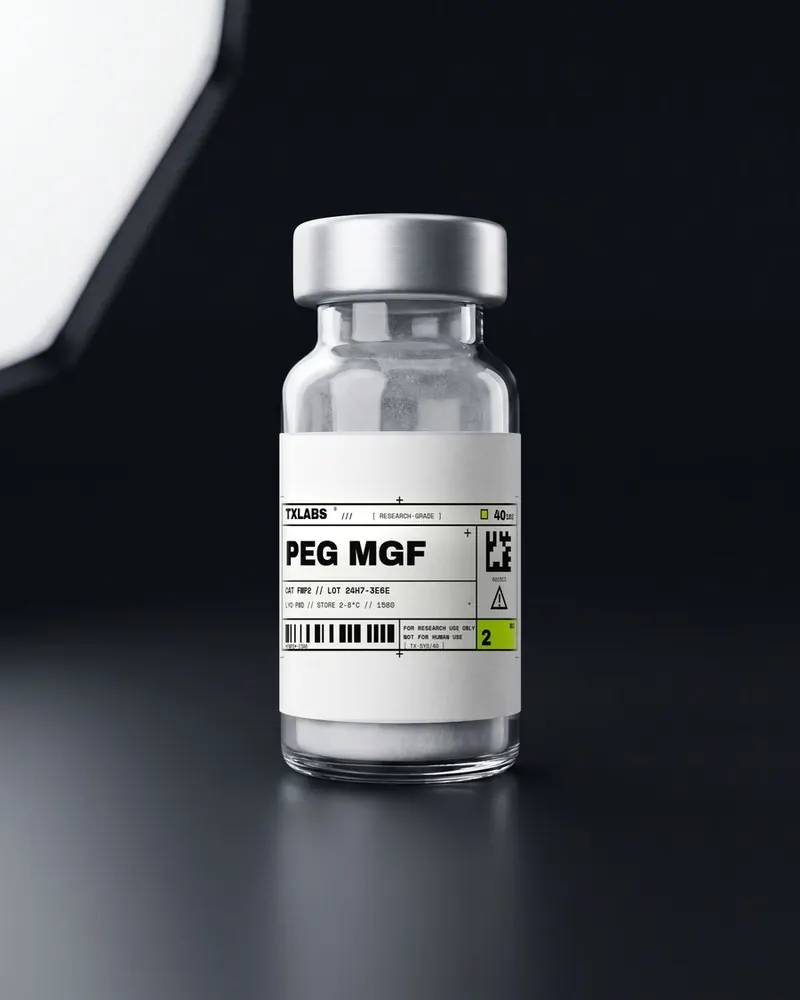
PEG MGF
PEG-MGF (PEGylated Mechano Growth Factor) is a polyethylene glycol-conjugated form of the IGF-1Ec splice variant with an extended half-life. PEGylation improves stability for laboratory research on the mechano growth factor pathway, satellite cell activation and muscle tissue repair.

Sermorelin Acetate
Sermorelin (GRF 1-29, GHRH 1-29) is a synthetic growth hormone-releasing hormone analogue that stimulates pituitary growth hormone secretion. It is studied in preclinical research on the GHRH receptor, pulsatile GH release and the GH/IGF-1 axis.
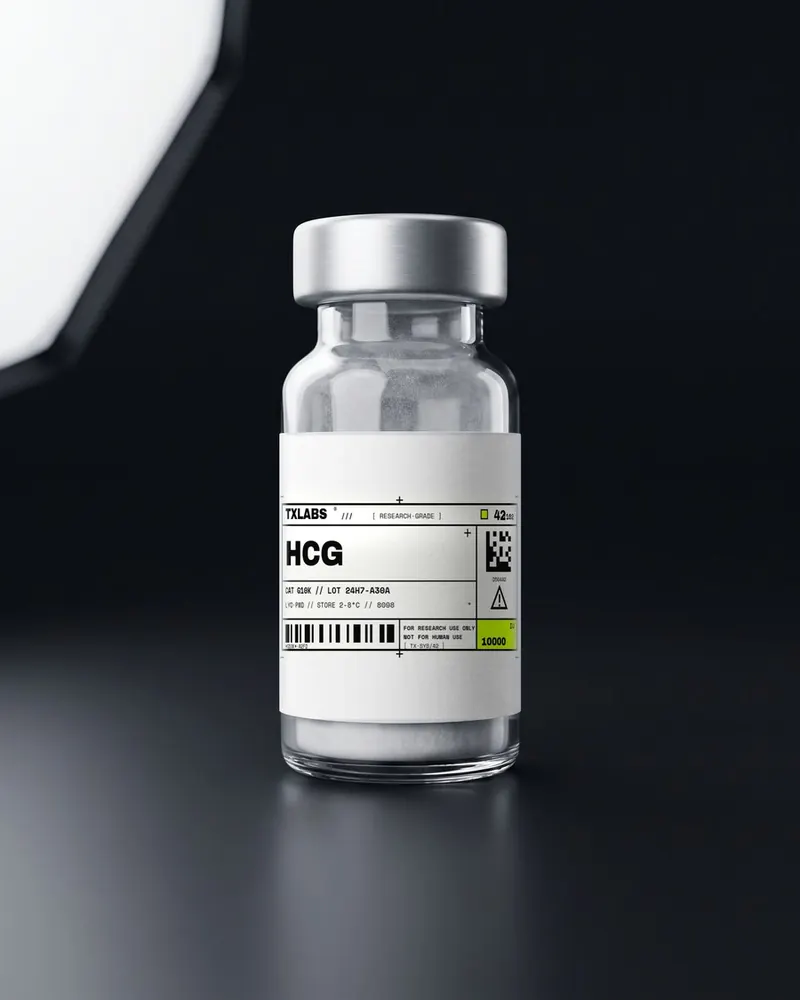
HCG
HCG (Human Chorionic Gonadotropin) is a glycoprotein hormone that acts on the LH/hCG receptor to stimulate gonadal steroidogenesis. It is studied in laboratory research on reproductive endocrinology, Leydig and granulosa cell signalling and the hypothalamic-pituitary-gonadal axis.
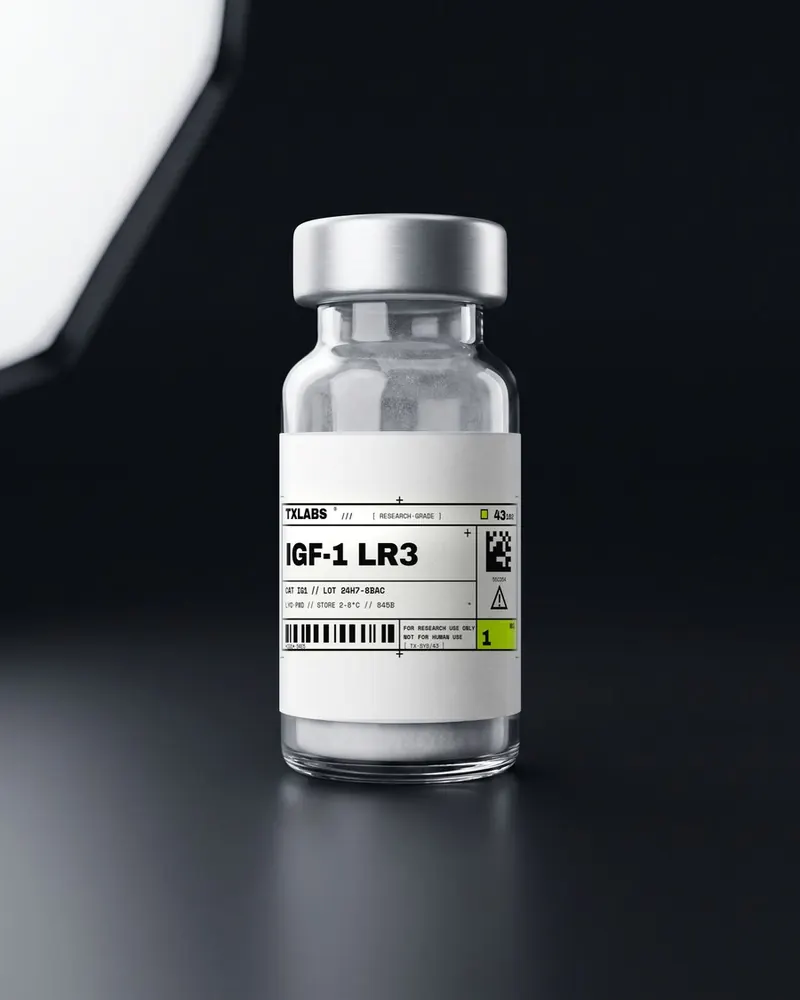
IGF-1LR3
IGF-1 LR3 (Long R3 IGF-1) is a modified analogue of insulin-like growth factor 1 with reduced binding-protein affinity and prolonged activity. It is studied in preclinical research on IGF-1 receptor signalling, cell proliferation and protein synthesis.
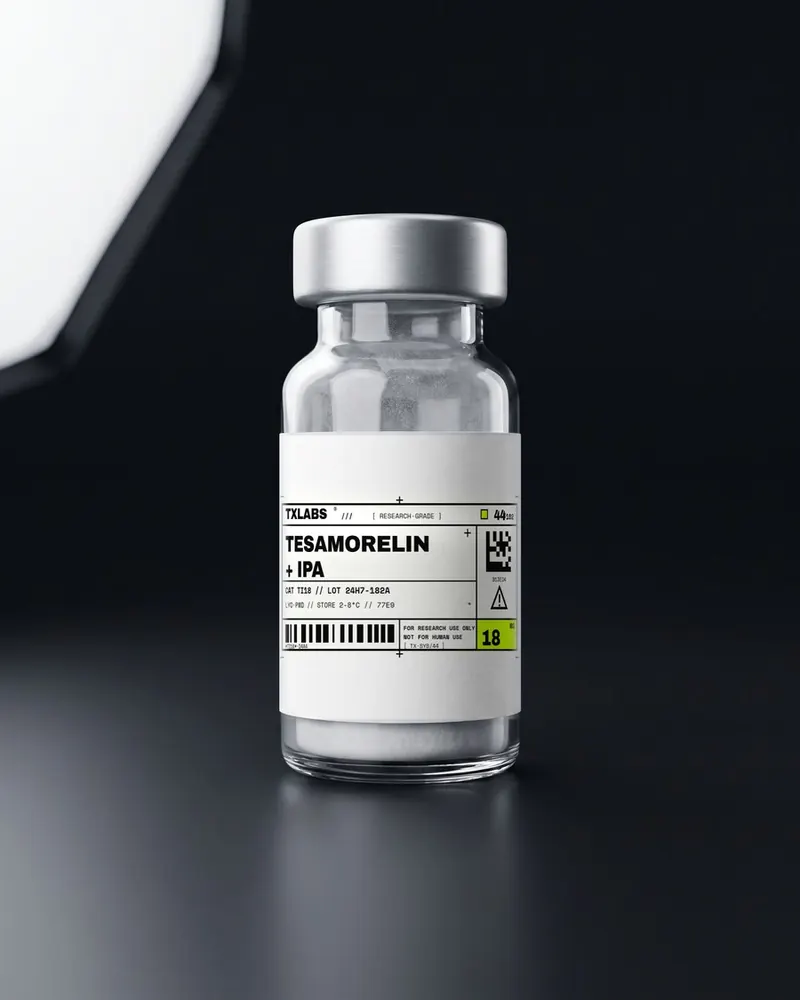
Tesamorelin 12mg+Ipamorelin 6mg
Tesamorelin + Ipamorelin is a research blend combining a stabilised GHRH analogue with a selective ghrelin receptor agonist. Tesamorelin acts on the GHRH receptor while Ipamorelin activates the ghrelin/GHS-R pathway, and the combination is studied for complementary stimulation of growth hormone release.

Ipamorelin
Ipamorelin is a selective pentapeptide ghrelin receptor (GHS-R) agonist and growth hormone secretagogue that stimulates GH release. It is studied in preclinical research on selective growth hormone secretion with minimal effect on cortisol or prolactin levels.
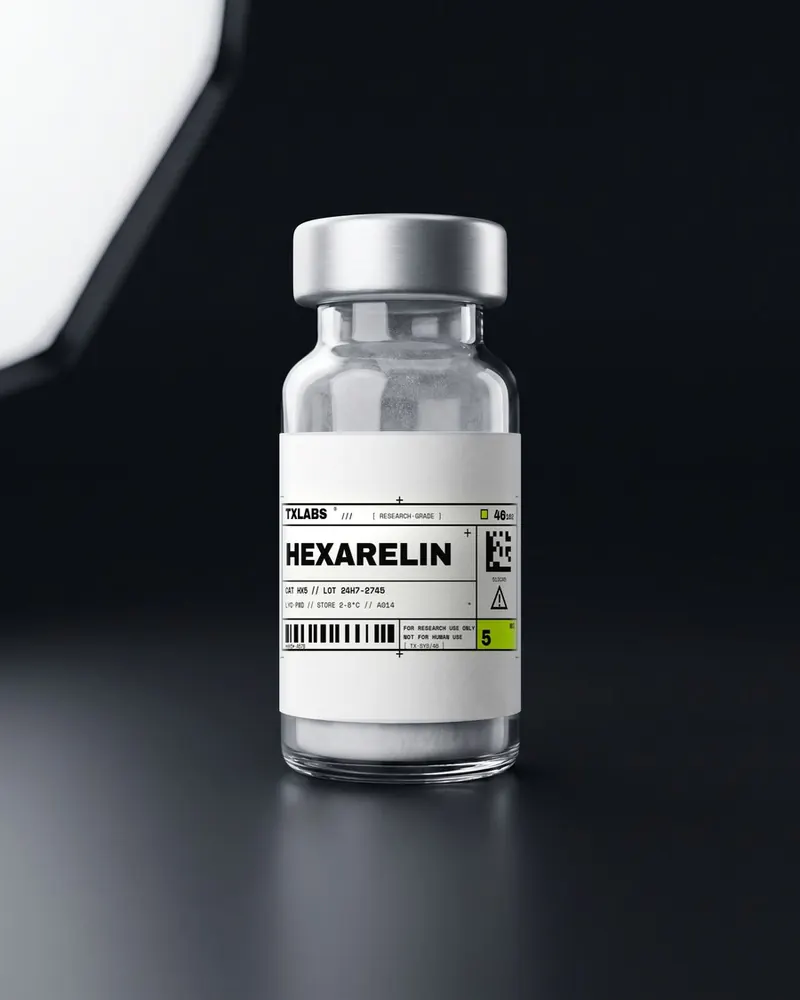
Hexarelin Acetate
Hexarelin Acetate (Examorelin) is a synthetic growth hormone secretagogue peptide that activates the ghrelin/GHS-R receptor. This hexapeptide is studied in laboratory research on growth hormone release, cardiac tissue, and GHS-R signalling pathways.
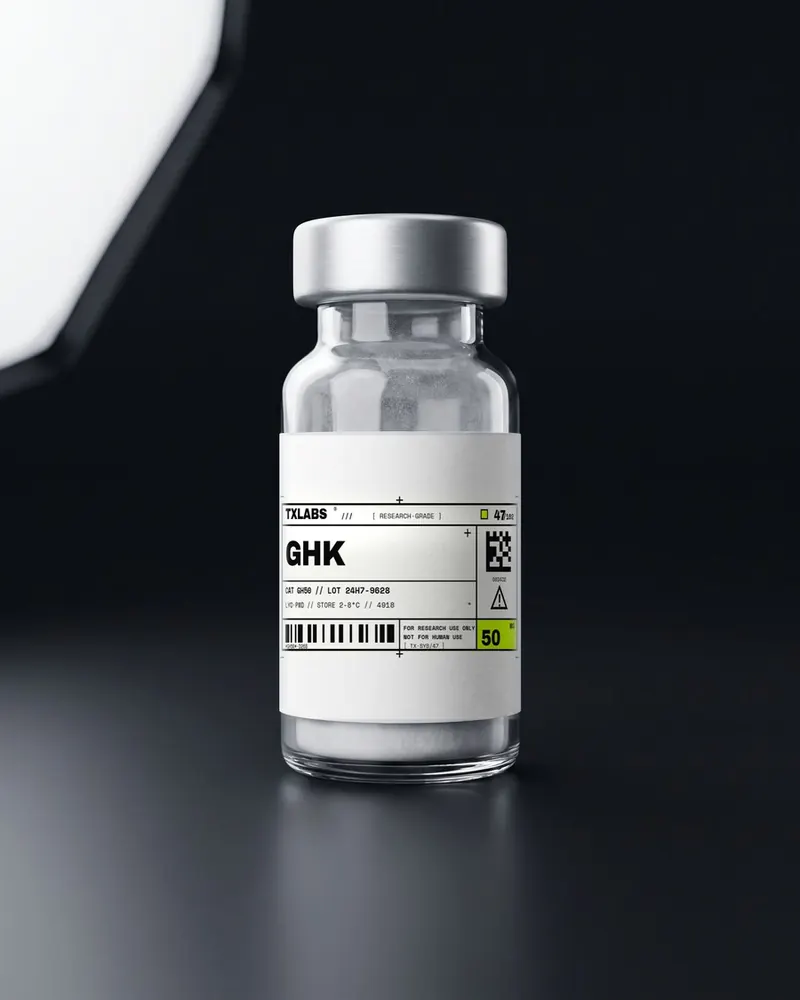
GHK basic
GHK (glycyl-L-histidyl-L-lysine) is a naturally occurring human tripeptide that binds copper ions and modulates gene expression. It is investigated in preclinical research on tissue remodelling, extracellular matrix proteins, and skin fibroblast activity.
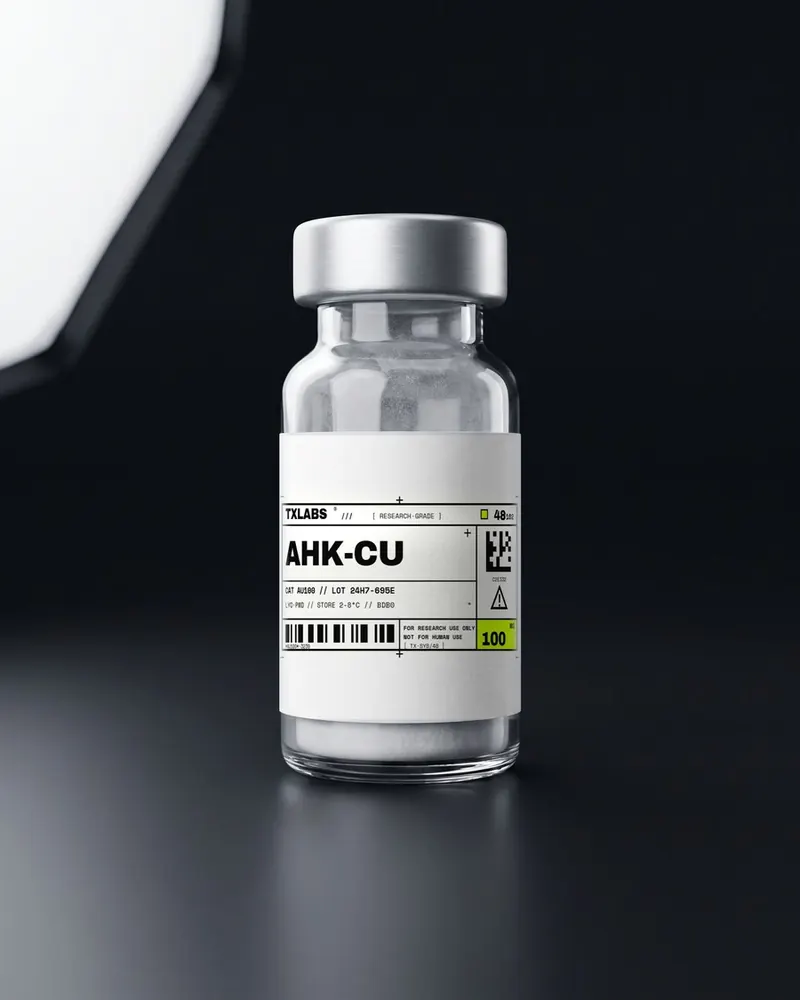
AHK-CU
AHK-Cu is a copper-binding tripeptide (alanyl-histidyl-lysine complexed with copper) used as a research reference material. It is studied in laboratory research on hair follicle biology, angiogenesis, and copper-dependent signalling in dermal tissue.
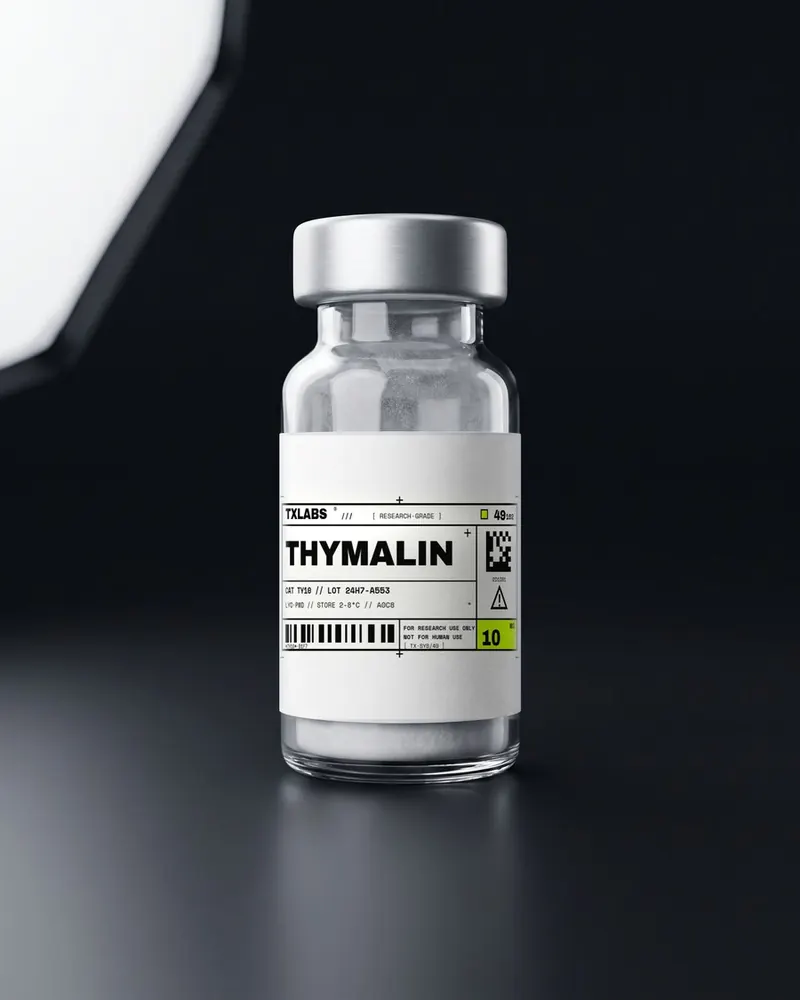
Thymalin
Thymalin is a thymus-derived peptide preparation that modulates immune cell activity in research settings. This polypeptide complex, isolated from thymic tissue, is investigated in preclinical studies of immune regulation, T-cell differentiation, and ageing biology.

Thymosin Alpha-1
Thymosin Alpha-1 (Talpha1, thymalfasin) is a 28-amino-acid thymic peptide that modulates innate and adaptive immune signalling. It is studied in laboratory and preclinical research on T-cell maturation, dendritic cell function, and immune response pathways.
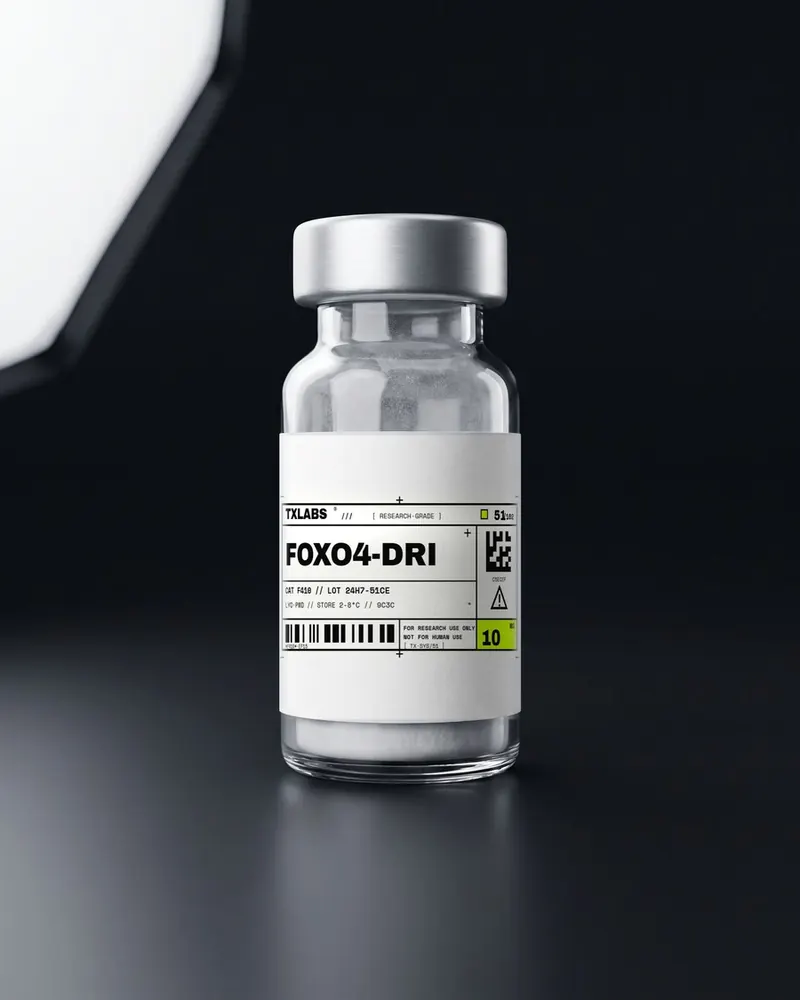
FOXO4
FOXO4 (FOXO4-DRI) is a synthetic D-retro-inverso peptide that disrupts the FOXO4-p53 protein interaction in senescent cells. It is investigated in senolytic research on cellular senescence, p53 signalling, and age-related tissue models.
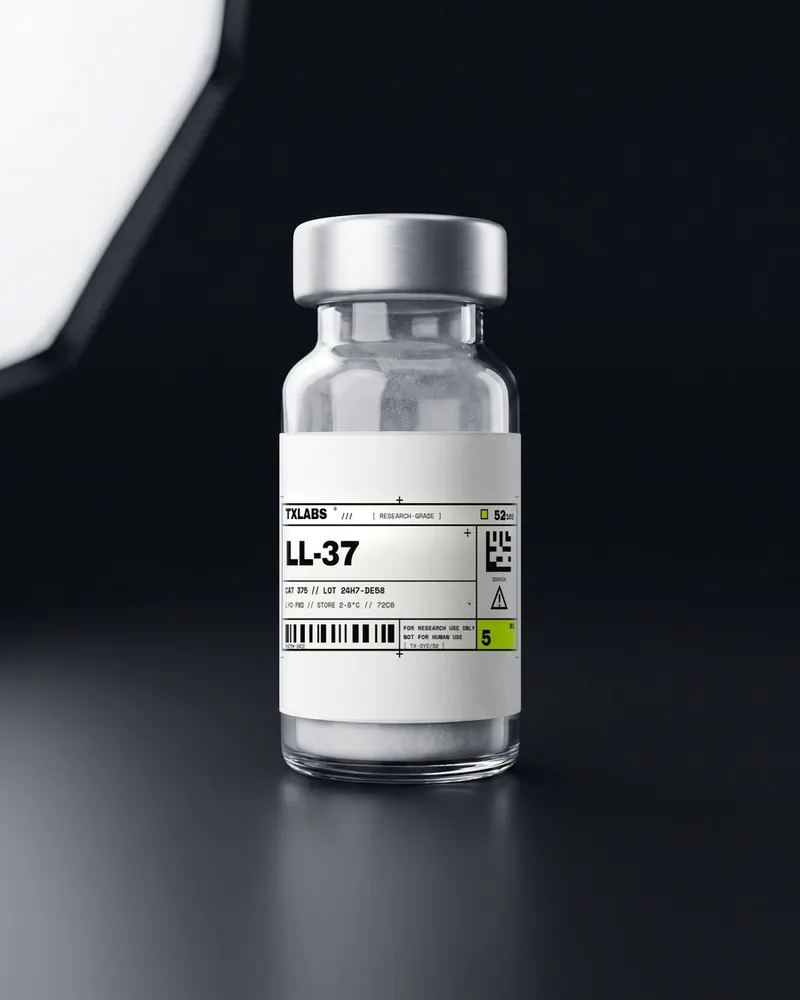
LL37
LL-37 is a human cathelicidin-derived antimicrobial peptide (host-defence peptide) with broad membrane-disrupting activity. It is studied in laboratory research on innate immunity, bacterial membrane interactions, and inflammatory signalling.

Melatonin
Melatonin — a research-grade peptide reference supplied lyophilized for laboratory use only.
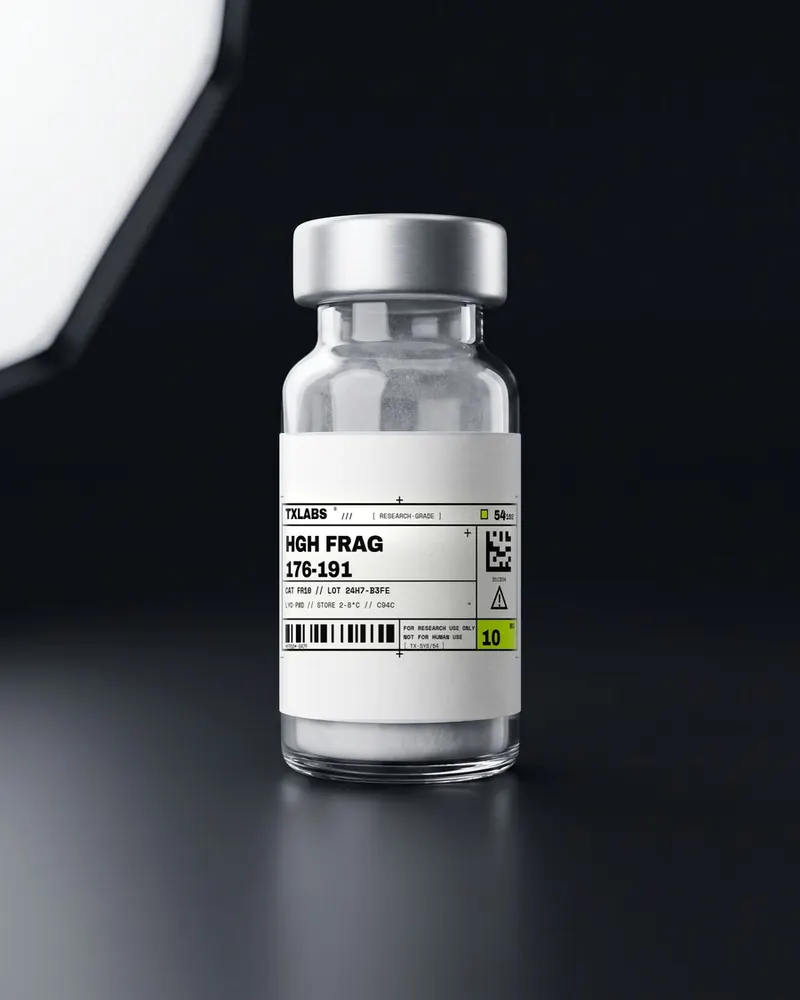
HGH Fragment 176-191
HGH Fragment 176-191 is a synthetic C-terminal fragment of human growth hormone studied for its lipolytic activity. This modified peptide is investigated in preclinical research on lipid metabolism, adipose tissue, and fat oxidation pathways.
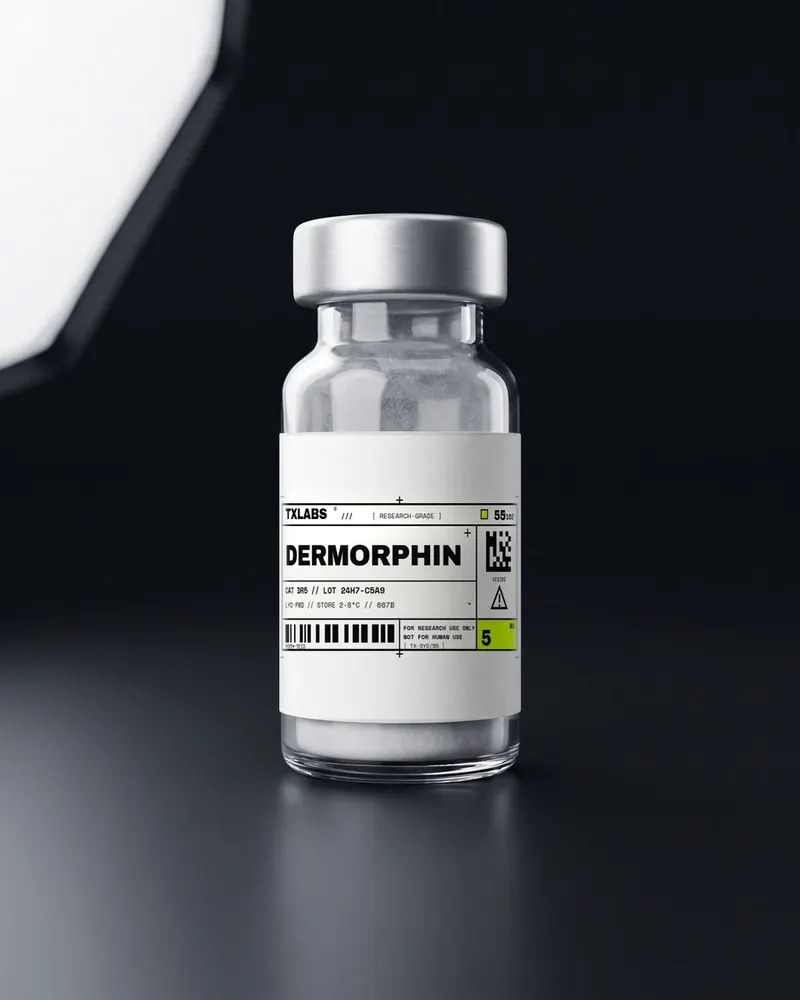
Dermorphin
Dermorphin — a research-grade peptide reference supplied lyophilized for laboratory use only.
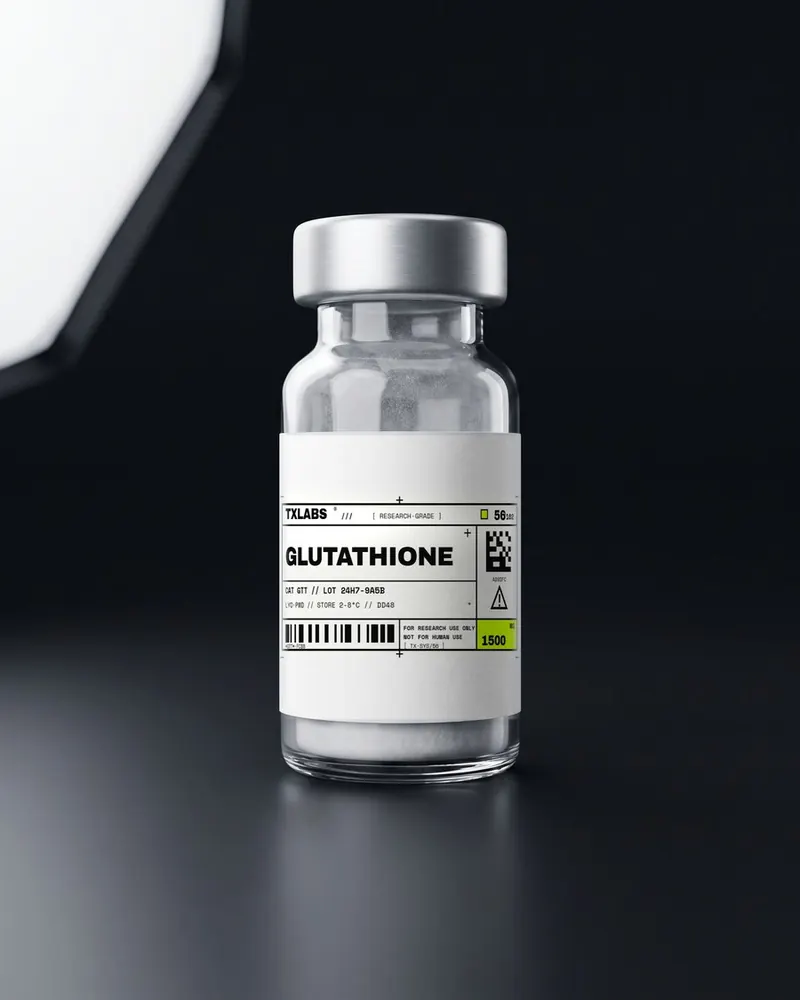
Glutathione
Glutathione (GSH) is an endogenous antioxidant tripeptide (glutamate-cysteine-glycine) central to cellular redox balance. It is studied in laboratory research on oxidative stress, detoxification pathways, and thiol-dependent enzyme systems.

Sterile Water
Sterile Water — a research-grade peptide reference supplied lyophilized for laboratory use only.
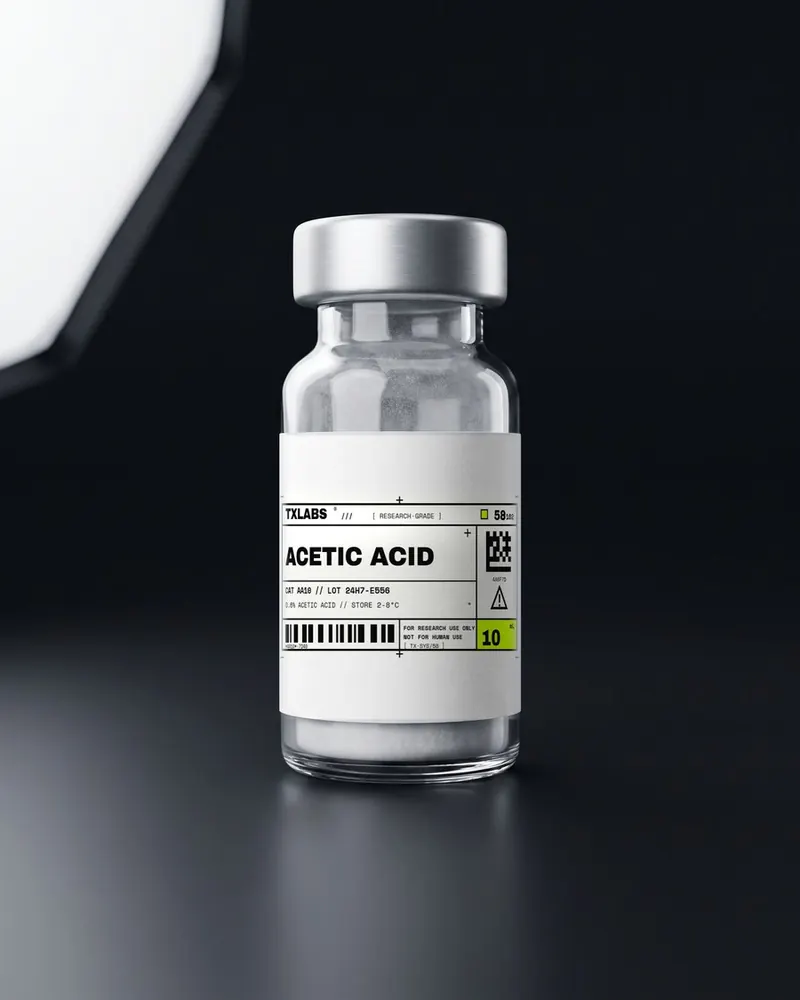
Acetic Acid Diluent
Acetic Acid Diluent — a research-grade peptide reference supplied lyophilized for laboratory use only.
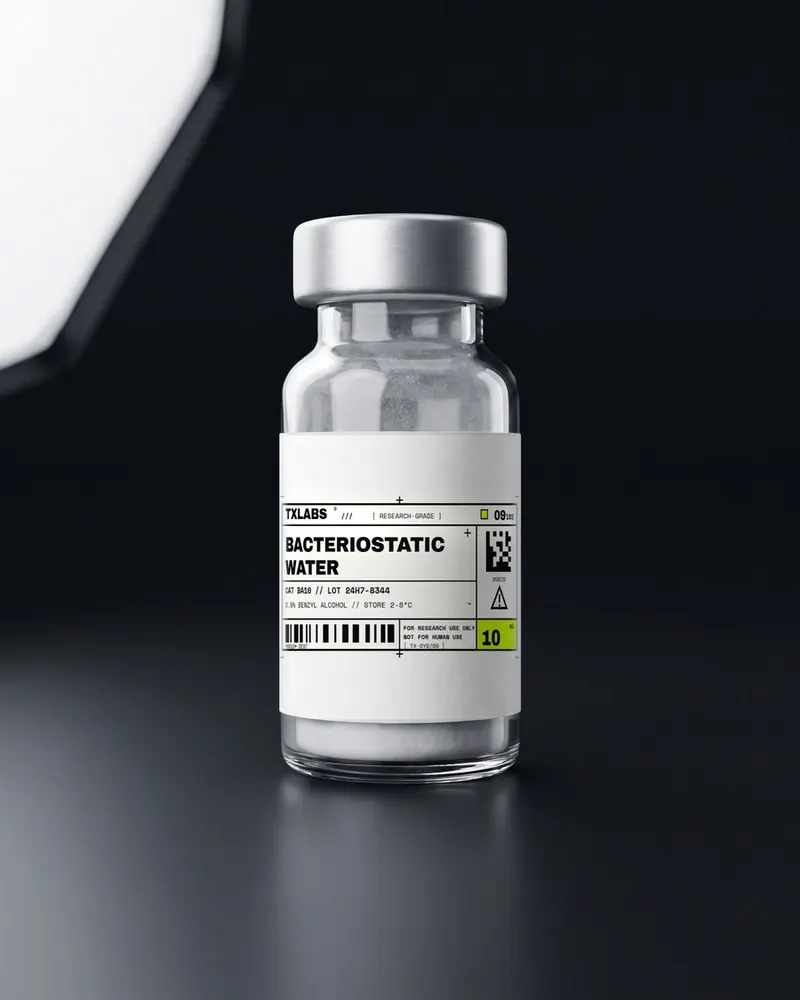
Bacteriostatic Water
Bacteriostatic Water — a research-grade peptide reference supplied lyophilized for laboratory use only.
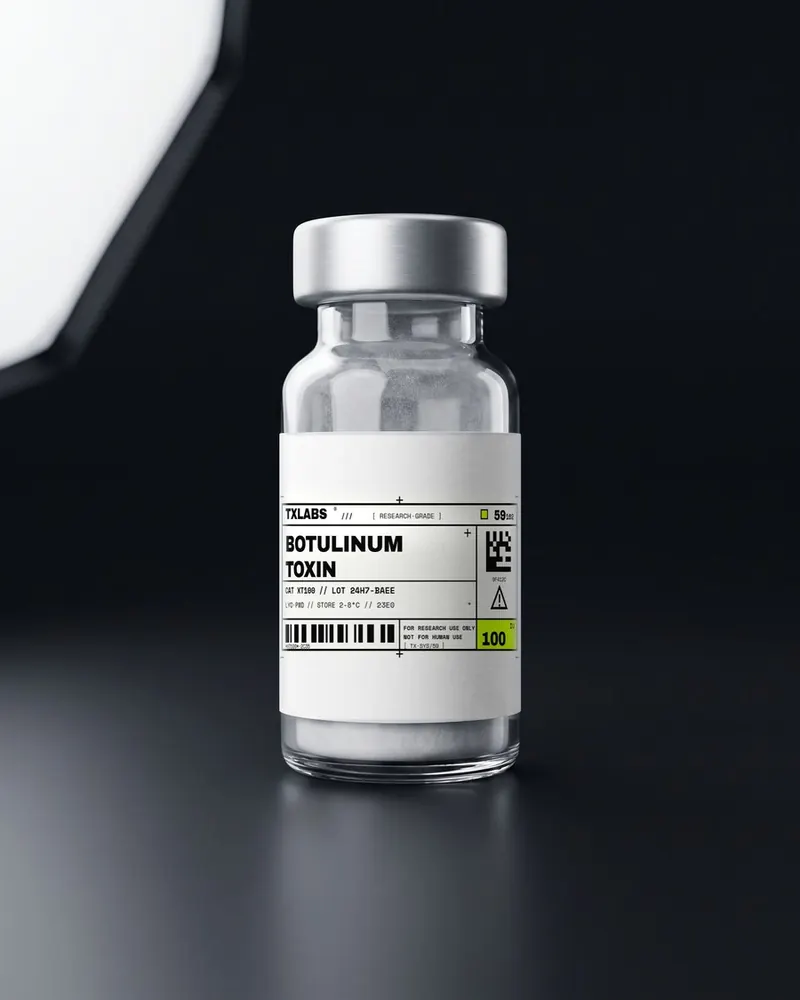
Botulinum toxin
Botulinum toxin is a Clostridium botulinum neurotoxin that cleaves the SNARE protein SNAP-25 to inhibit acetylcholine release. It is supplied strictly as a research reference for neuromuscular and SNARE-mediated exocytosis studies.
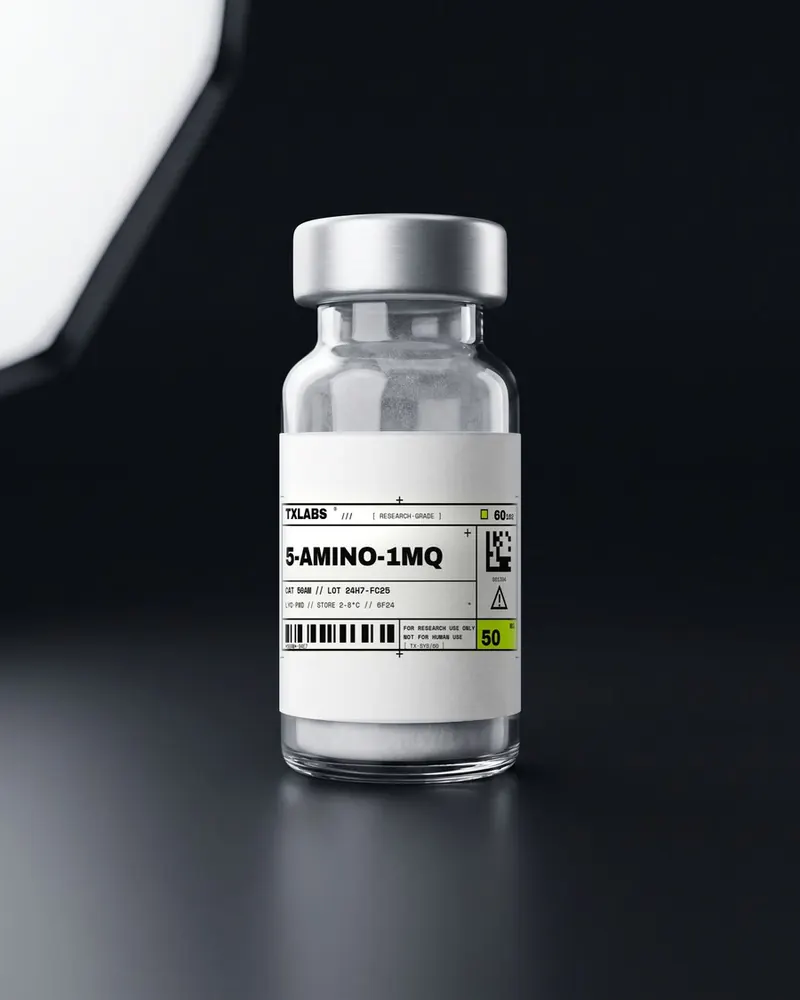
5-Amino-1MQ
5-Amino-1MQ — a research-grade peptide reference supplied lyophilized for laboratory use only.
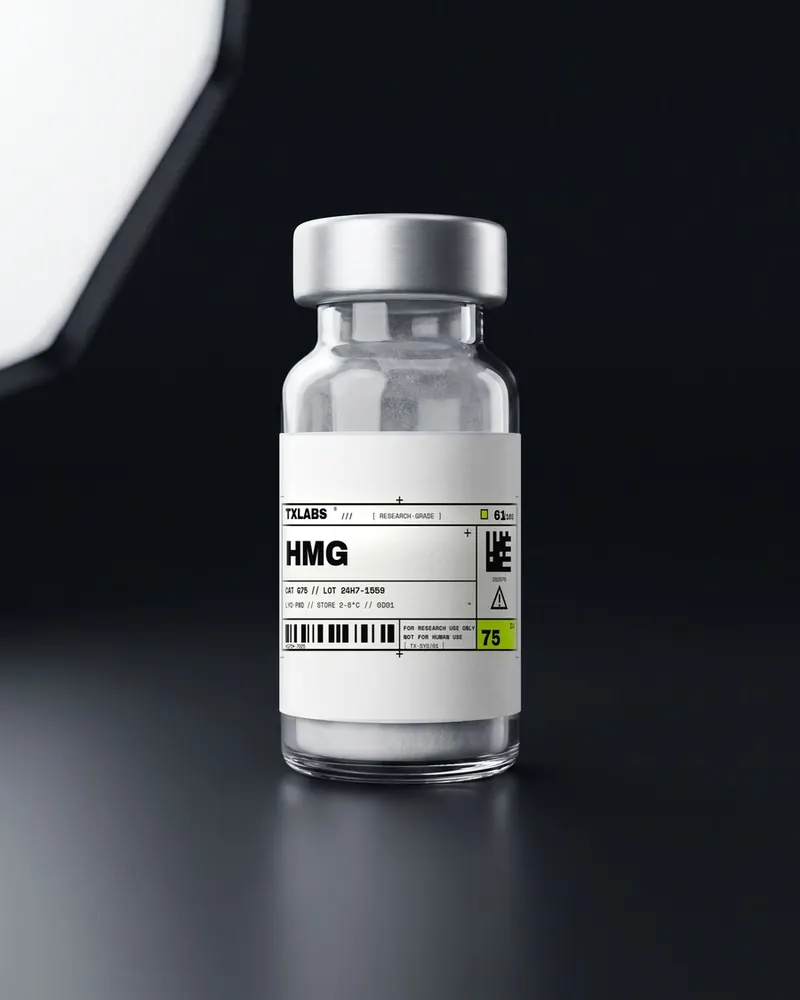
HMG
HMG (human menopausal gonadotropin, menotropin) is a gonadotropin preparation with follicle-stimulating (FSH) and luteinising (LH) hormone activity. Derived from the urine of postmenopausal donors, it is studied in reproductive endocrinology research on folliculogenesis, ovulation and gonadal function.
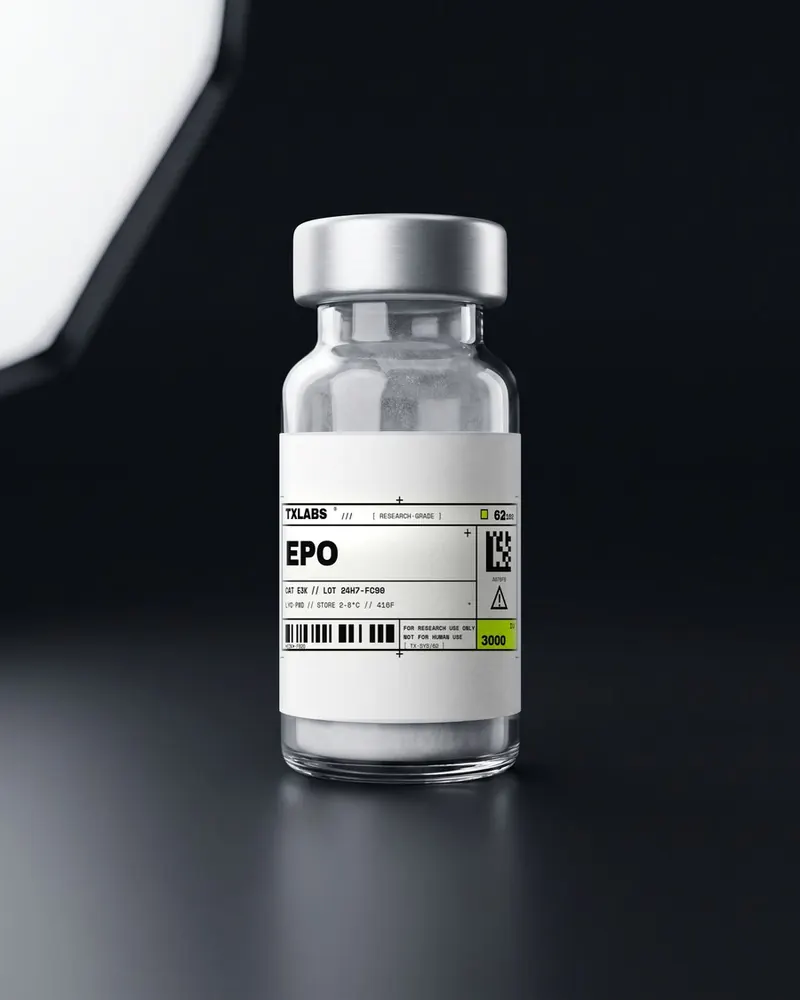
EPO
EPO (erythropoietin) is a glycoprotein hormone that stimulates erythropoiesis, the production of red blood cells in bone marrow. Produced mainly by the kidneys in response to hypoxia, it is used as a reference standard and investigated in research on oxygen transport, hypoxia signalling and haematopoiesis.

Cerebrolysin
Cerebrolysin — a research-grade peptide reference supplied lyophilized for laboratory use only.
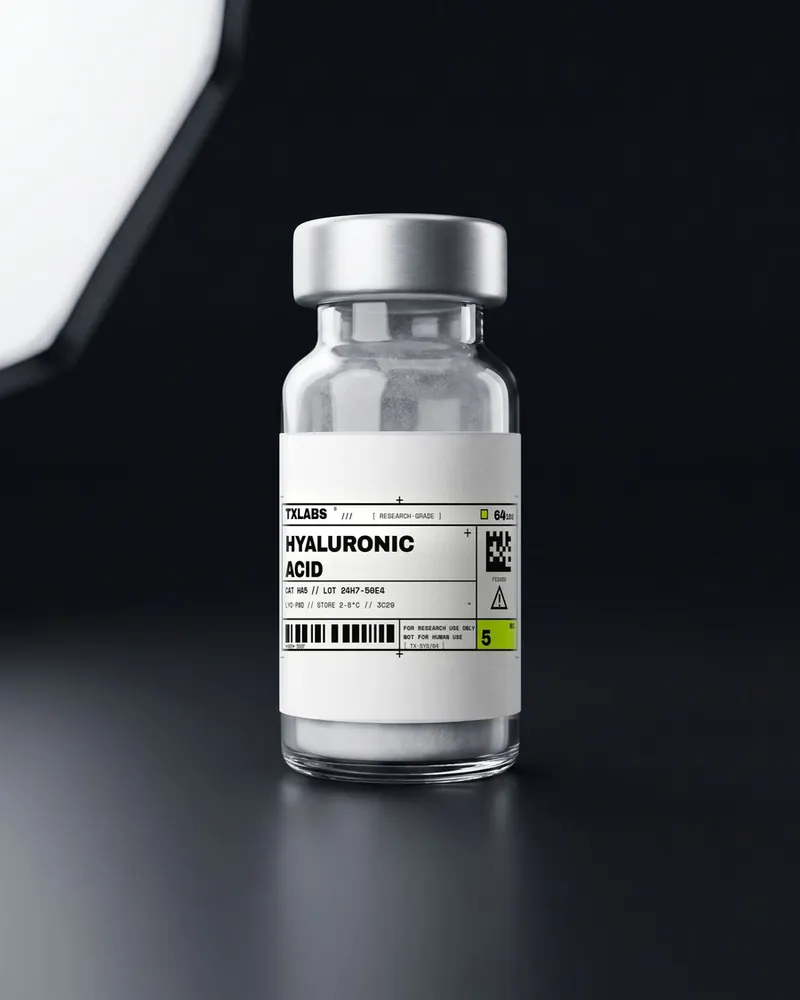
Hyaluronic Acid
Hyaluronic Acid — a research-grade peptide reference supplied lyophilized for laboratory use only.
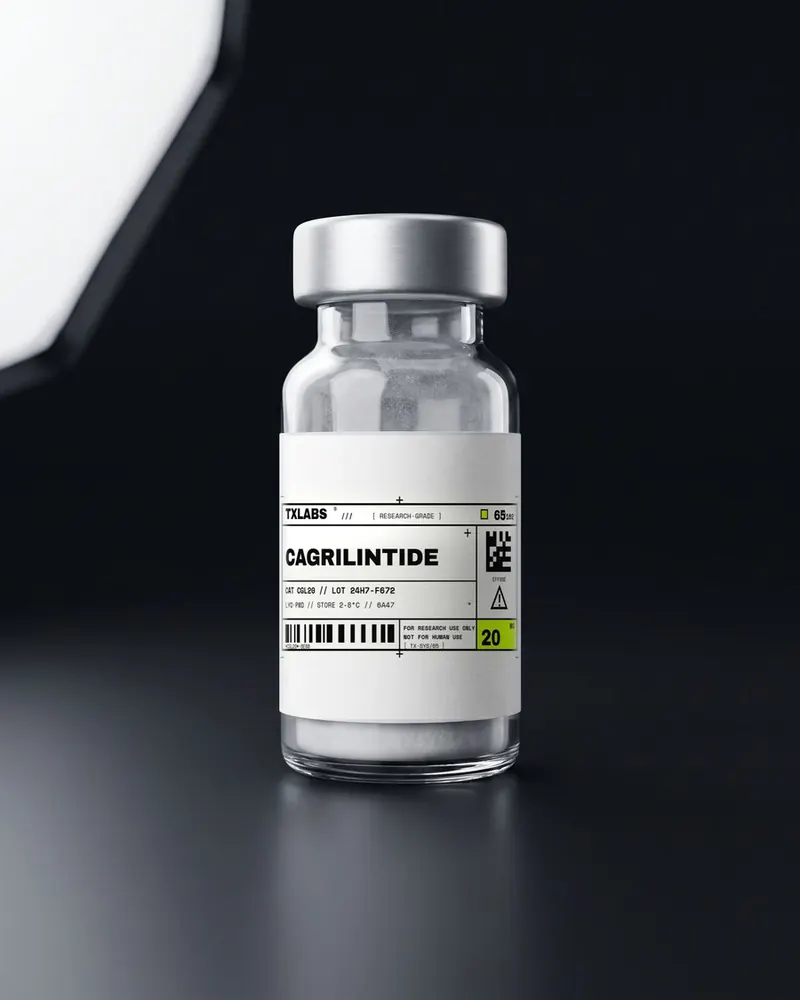
Cagrilintide
Cagrilintide — a research-grade peptide reference supplied lyophilized for laboratory use only.
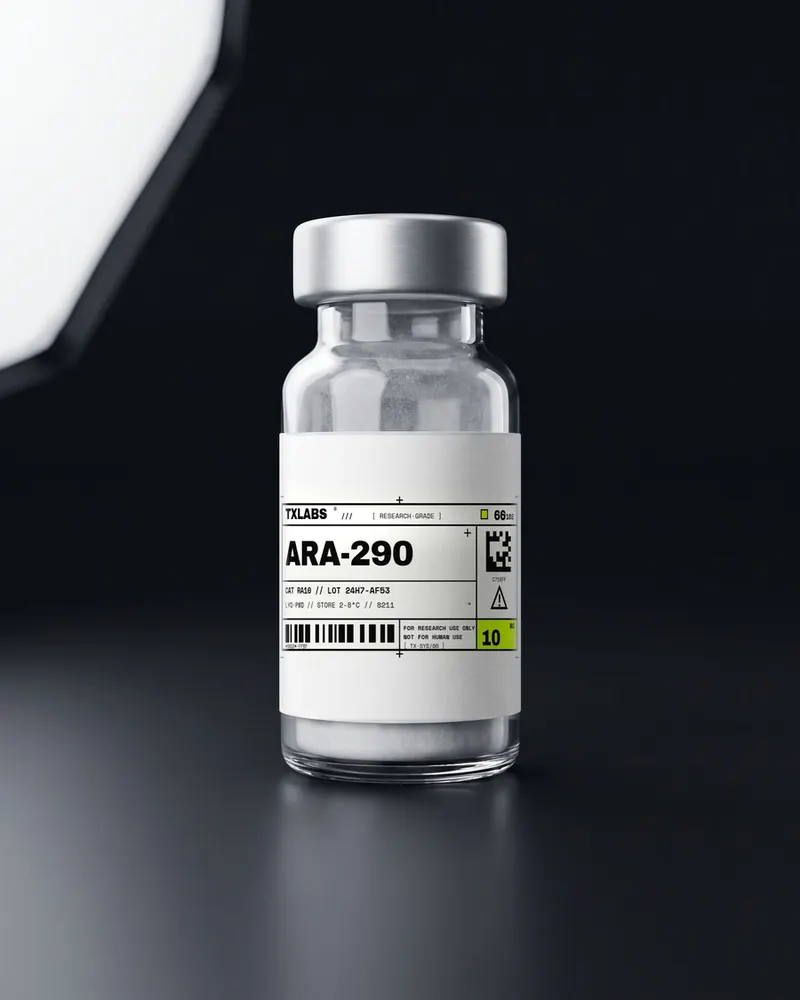
Ara-290
Ara-290 (cibinetide) is an 11-amino-acid erythropoietin-derived peptide that selectively activates the innate repair receptor. Unlike EPO it does not stimulate red blood cell production, and is studied in research on inflammation, tissue protection and small-fibre neuropathy.

SNAP-8
SNAP-8 — a research-grade peptide reference supplied lyophilized for laboratory use only.
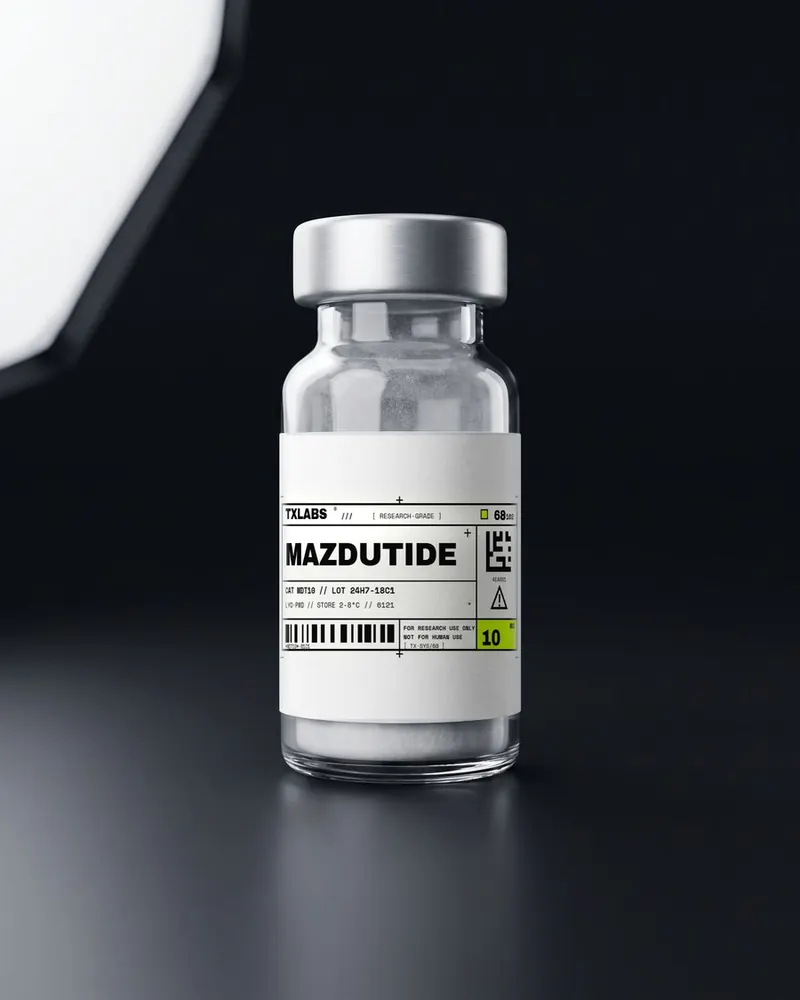
Mazdutide
Mazdutide (IBI362, LY3305677) is an oxyntomodulin-based peptide that acts as a dual GLP-1 and glucagon receptor agonist. It is investigated in metabolic research on appetite regulation, energy expenditure, glucose control and hepatic lipid metabolism.
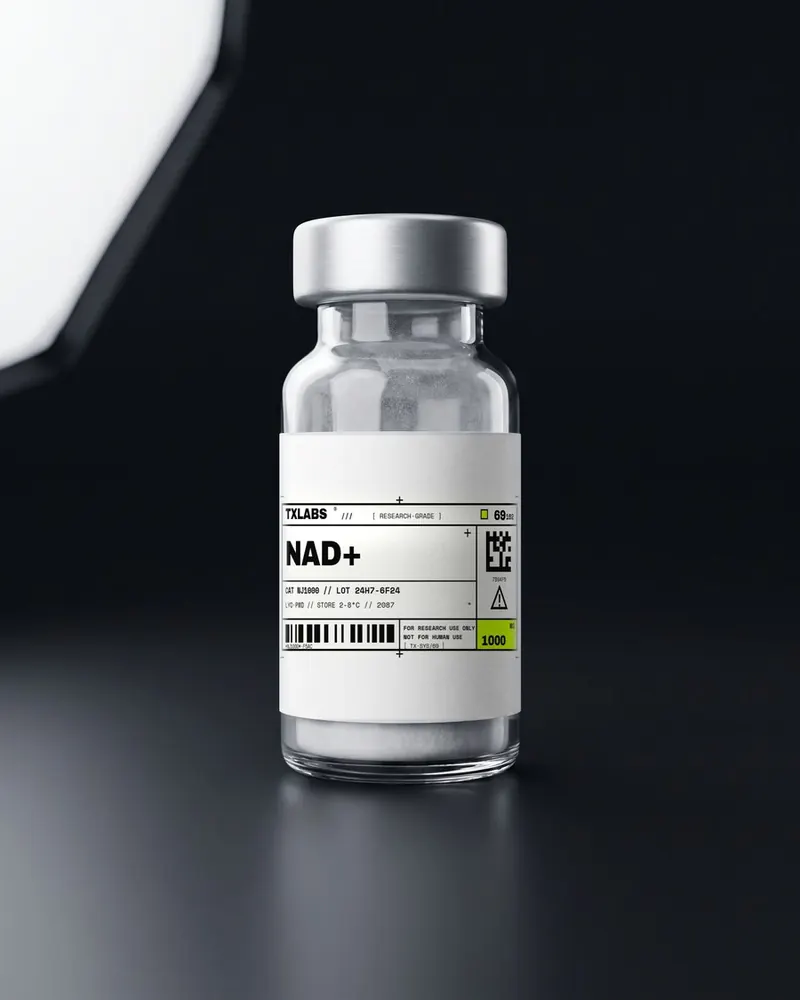
NAD+
NAD+ (nicotinamide adenine dinucleotide) is a coenzyme central to cellular redox reactions and energy metabolism. Present in all living cells, it is studied in research on mitochondrial function, DNA repair, sirtuin signalling and cellular ageing.
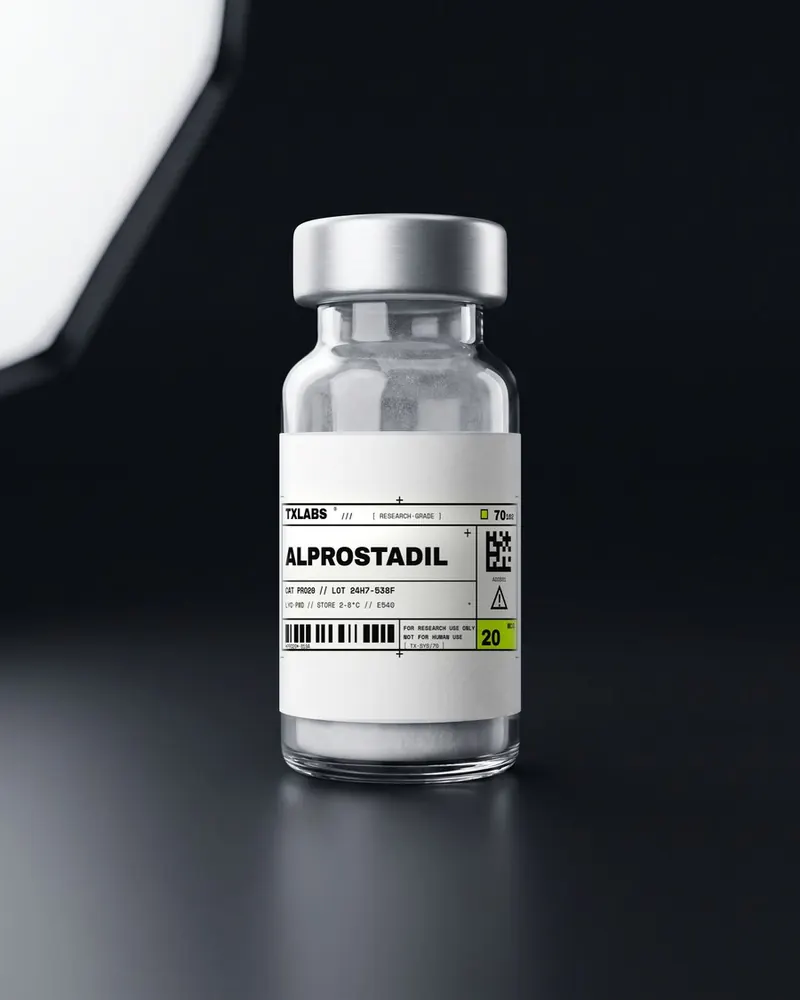
Alprostadil
Alprostadil (prostaglandin E1, PGE1) is a naturally occurring prostaglandin that acts as a vasodilator and inhibits platelet aggregation. It is used as a reference standard and investigated in research on vascular smooth muscle relaxation and blood flow.
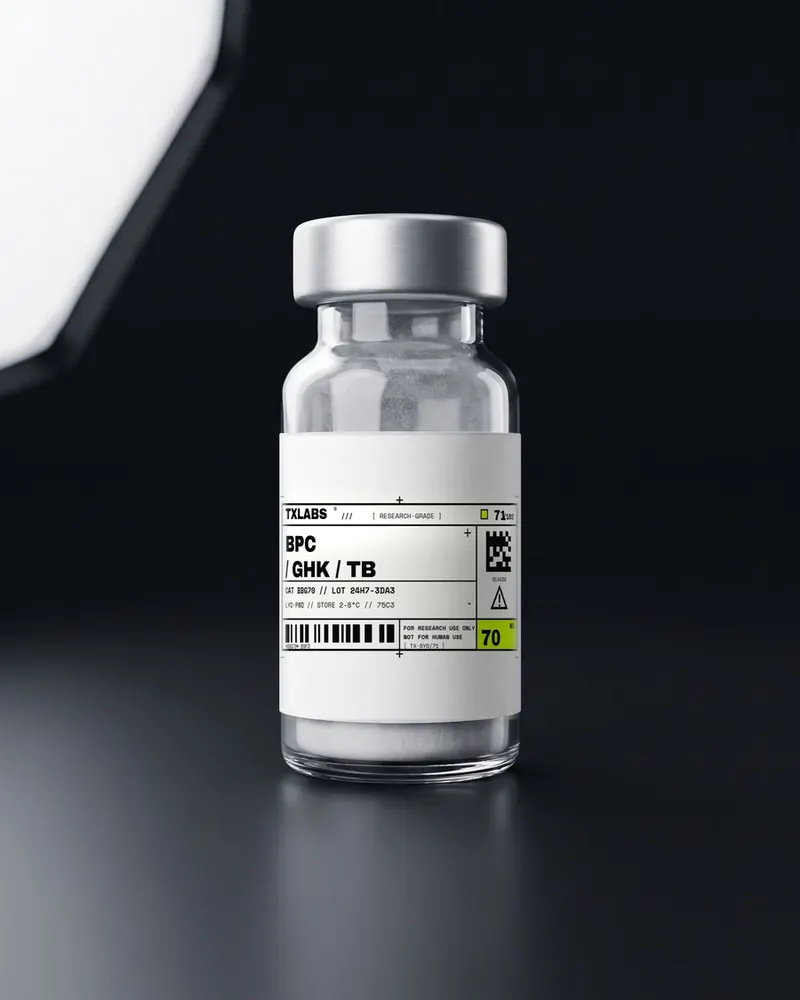
BPC 157 10mg+GHK-CU 50mg+TB500 10mg
BPC 157 10mg+GHK-CU 50mg+TB500 10mg is a research blend of three peptides studied for tissue repair and regeneration. It combines BPC-157, a gastric pentadecapeptide investigated in angiogenesis and healing research; GHK-Cu, a copper-binding tripeptide studied in remodelling and skin research; and TB-500, a thymosin beta-4 fragment linked to actin regulation and cell migration.

Survodutide
Survodutide (BI 456906) is a 29-amino-acid oxyntomodulin-based peptide that acts as a dual glucagon and GLP-1 receptor agonist. It is investigated in metabolic and hepatology research on appetite, energy expenditure, glucose regulation and liver fat.
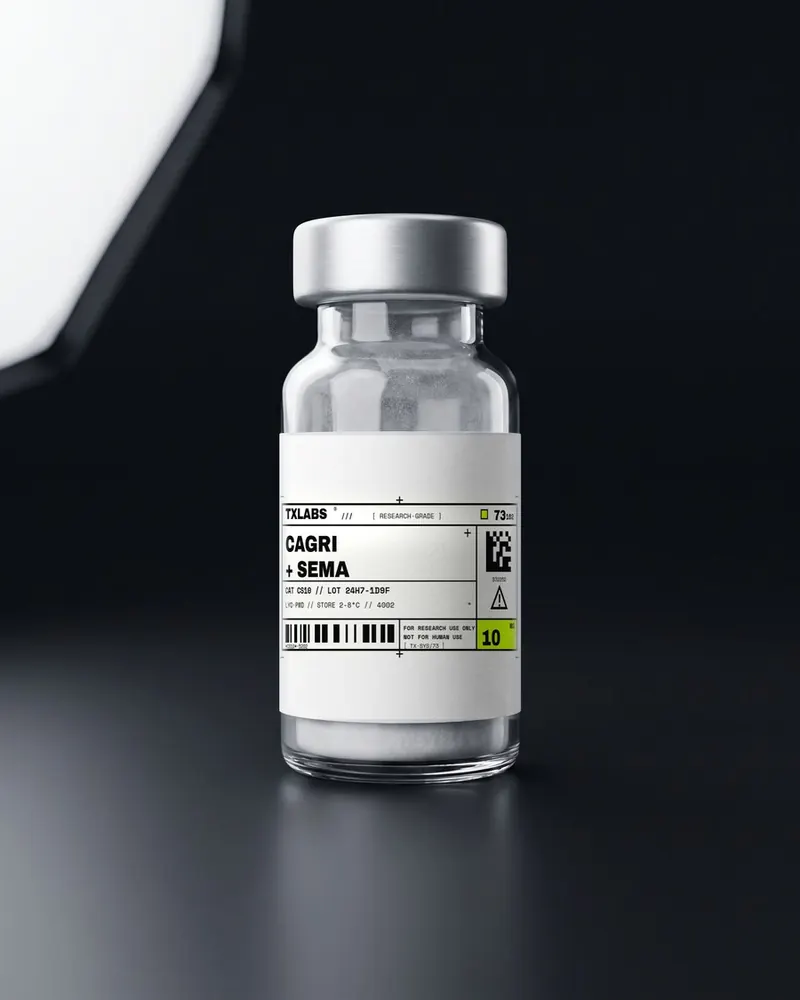
cagrilintide 5mg+Semaglutide 5mg
cagrilintide 5mg+Semaglutide 5mg is a research blend pairing the amylin analogue cagrilintide with the GLP-1 receptor agonist semaglutide. Cagrilintide targets amylin and calcitonin receptors while semaglutide activates the GLP-1 receptor; the combination is studied in metabolic research on satiety, food intake and body-weight regulation.
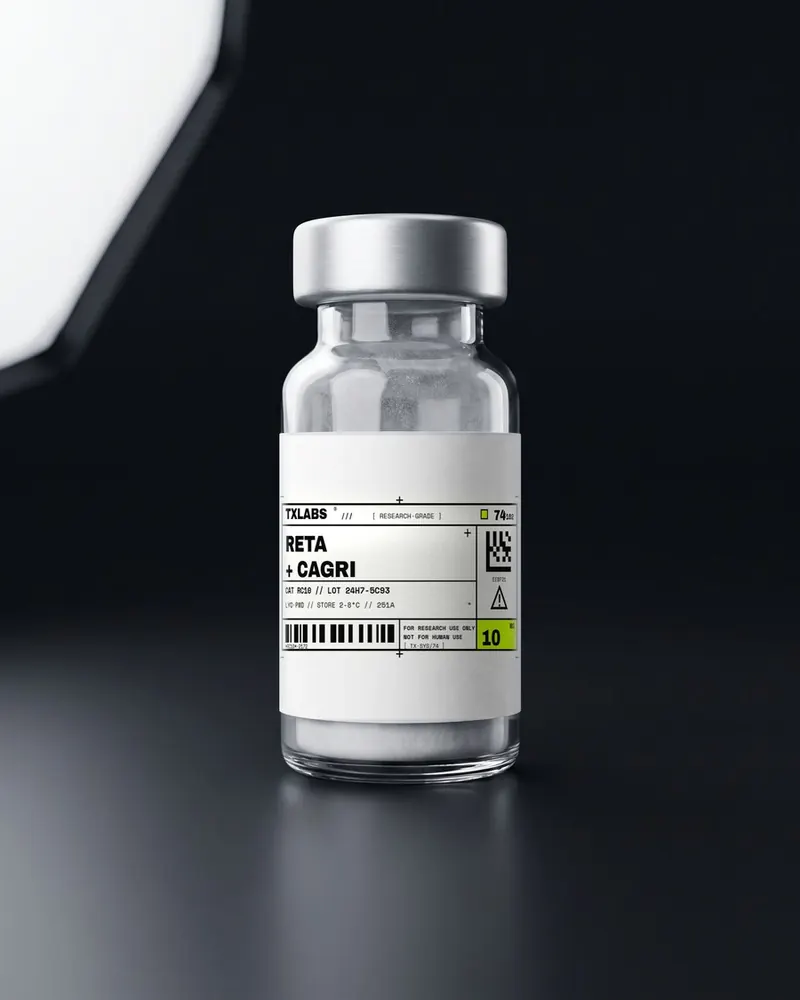
Retatrutide 5mg+cagrilintide 5mg
Retatrutide 5mg+cagrilintide 5mg is a research blend of the triple GIP/GLP-1/glucagon agonist retatrutide with the amylin analogue cagrilintide. It is investigated in metabolic research on appetite signalling, energy expenditure, glucose control and body-weight regulation.
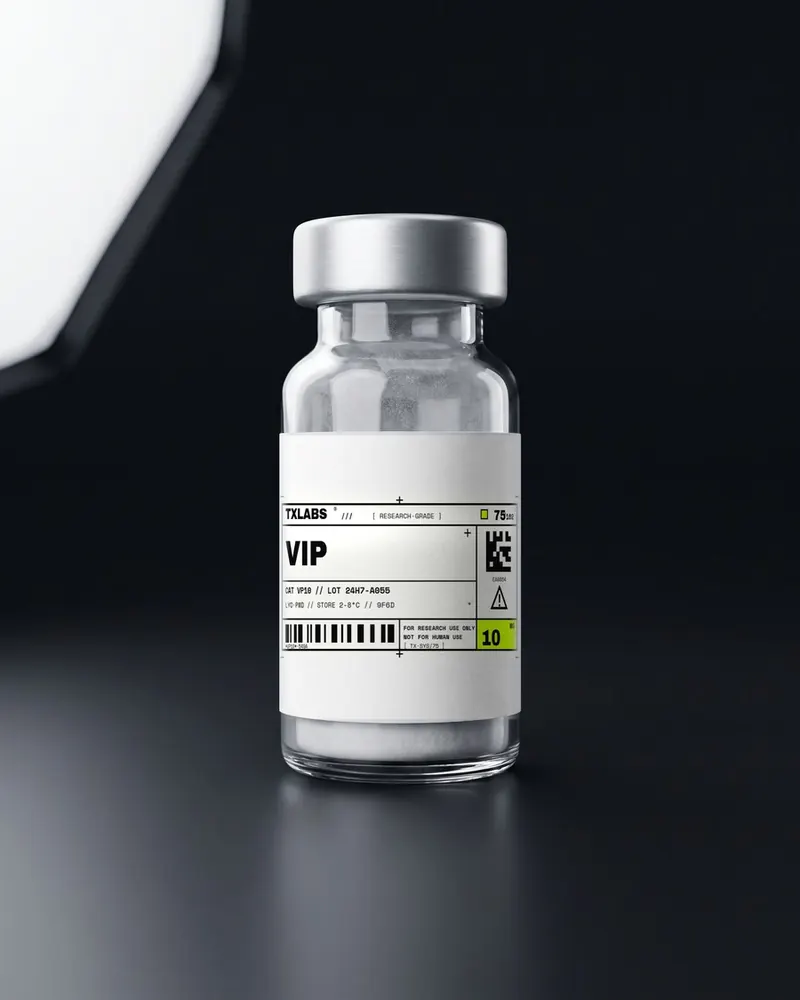
VIP
VIP (vasoactive intestinal peptide) is a 28-amino-acid neuropeptide that acts on VPAC receptors as a vasodilator and immunomodulator. It is studied in research on smooth muscle relaxation, circadian signalling, neuroprotection and inflammatory pathways.
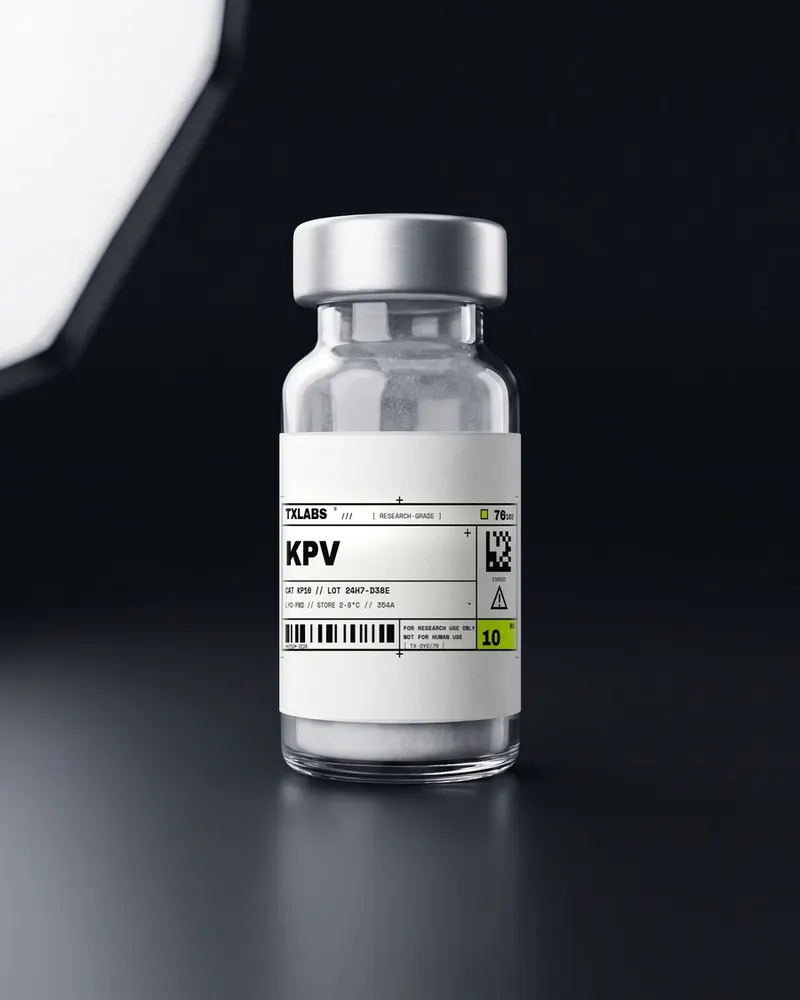
KPV
KPV (Lys-Pro-Val) is a tripeptide fragment of alpha-MSH studied for its anti-inflammatory activity. Derived from the C-terminal residues of alpha-melanocyte-stimulating hormone, it is investigated in laboratory research on NF-kB and NLRP3 inflammasome signalling and epithelial inflammation models, without activating melanocortin receptors or producing pigmentation effects.
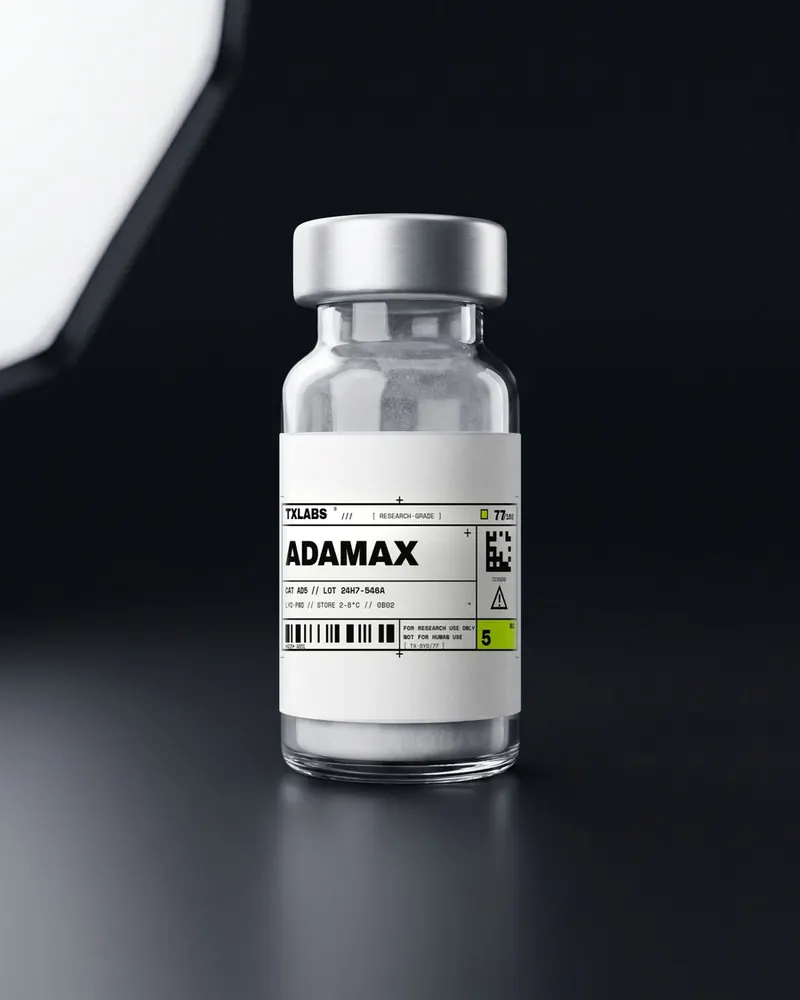
Adamax (Adamantane)
Adamax (adamantane-modified Semax analogue) is a synthetic nootropic peptide studied for effects on neurotrophic signalling. It pairs the Semax (ACTH-derived) core sequence with an adamantane group intended to improve stability and blood-brain barrier penetration, and is investigated in preclinical research on BDNF expression, memory and synaptic plasticity.
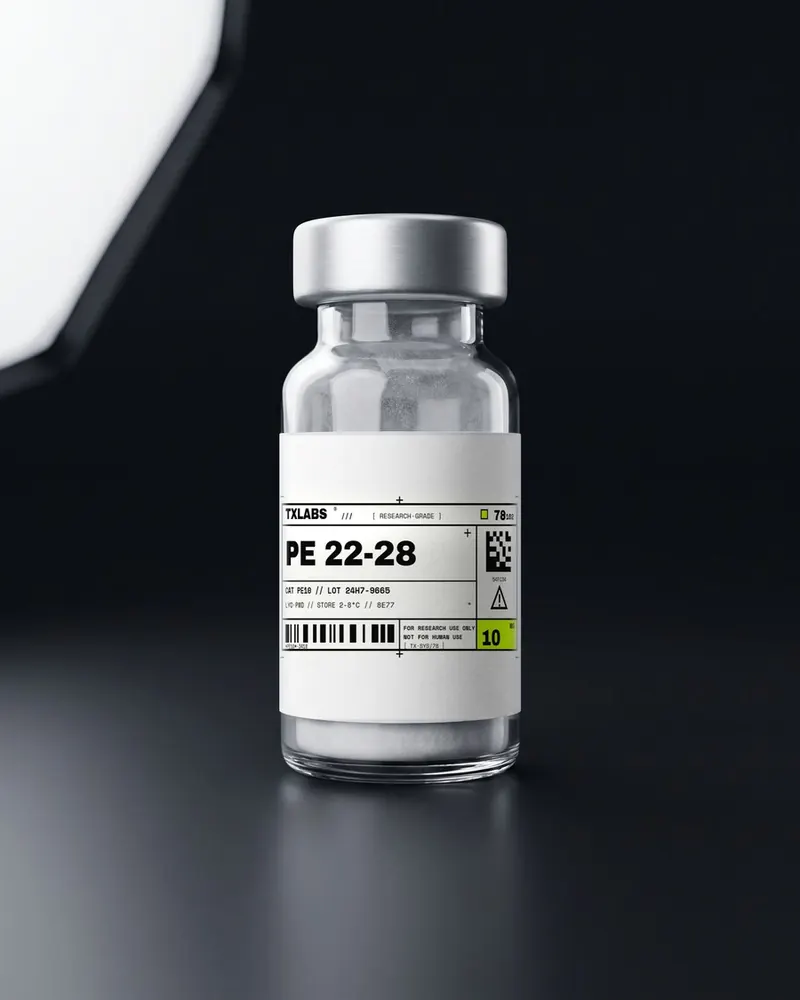
PE 22-28
PE 22-28 (spadin-derived peptide) is a TREK-1 potassium channel inhibitor studied in research on mood and neurogenesis. A seven-amino-acid fragment of the spadin sequence with greater TREK-1 affinity than the parent molecule, it is used as a research reference in preclinical models of antidepressant-like activity and hippocampal neurogenesis.
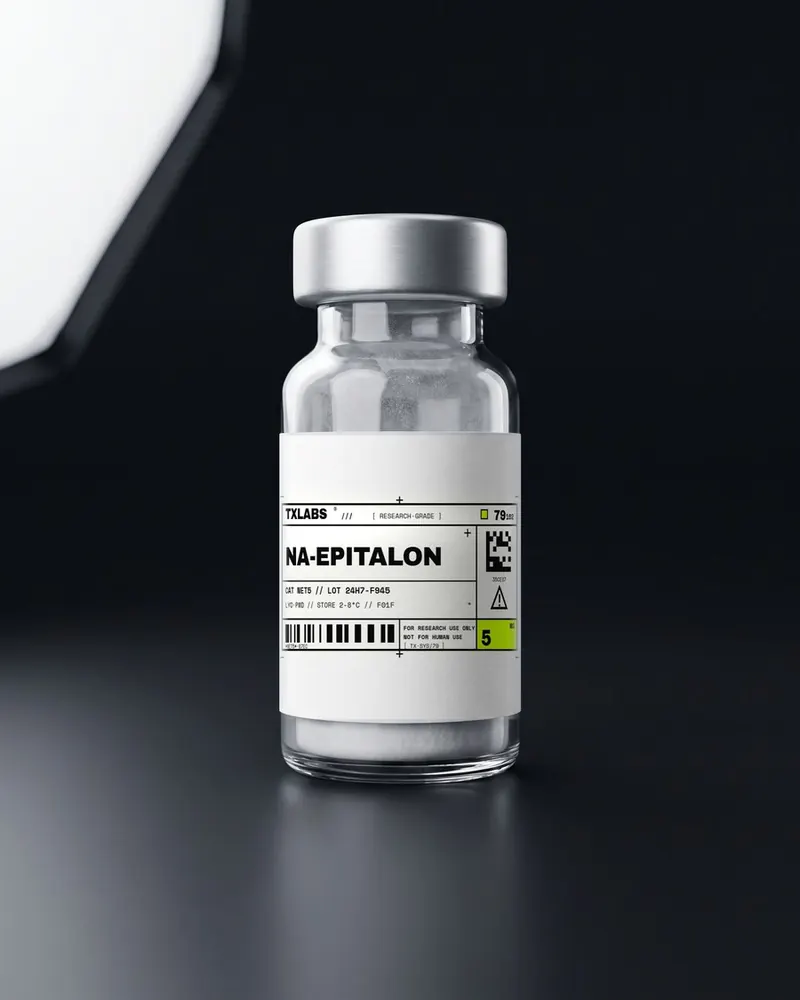
N-Acetyl Epitalon Amidate
N-Acetyl Epitalon Amidate (Ac-AEDG-NH2) is a stabilised tetrapeptide bioregulator studied for effects on telomerase activity. An N-terminally acetylated, C-terminally amidated form of Epitalon (Epithalon, AEDG) derived from pineal peptides, it is investigated in laboratory research on hTERT expression, telomere maintenance and cellular ageing.
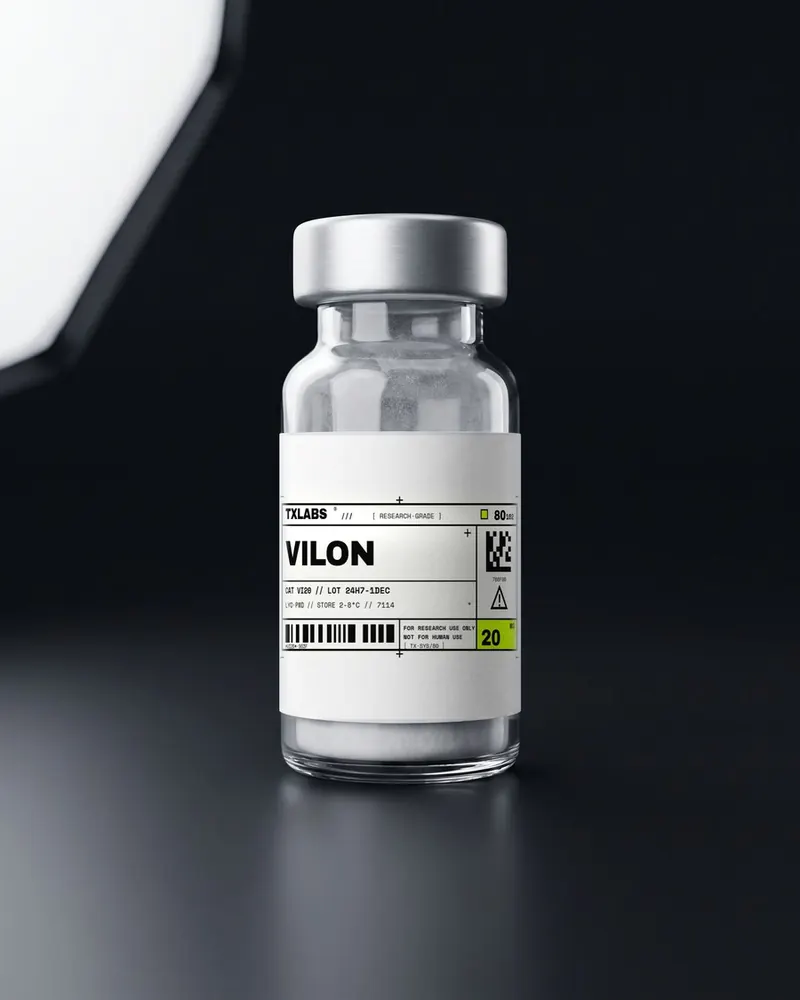
Vilon
Vilon (Lys-Glu, KE) is a synthetic dipeptide bioregulator of the Khavinson class studied in research on immune function. Developed at the St Petersburg Institute of Bioregulation and Gerontology, it is investigated in preclinical studies of thymus and immune-cell regulation and tissue-specific gene expression.
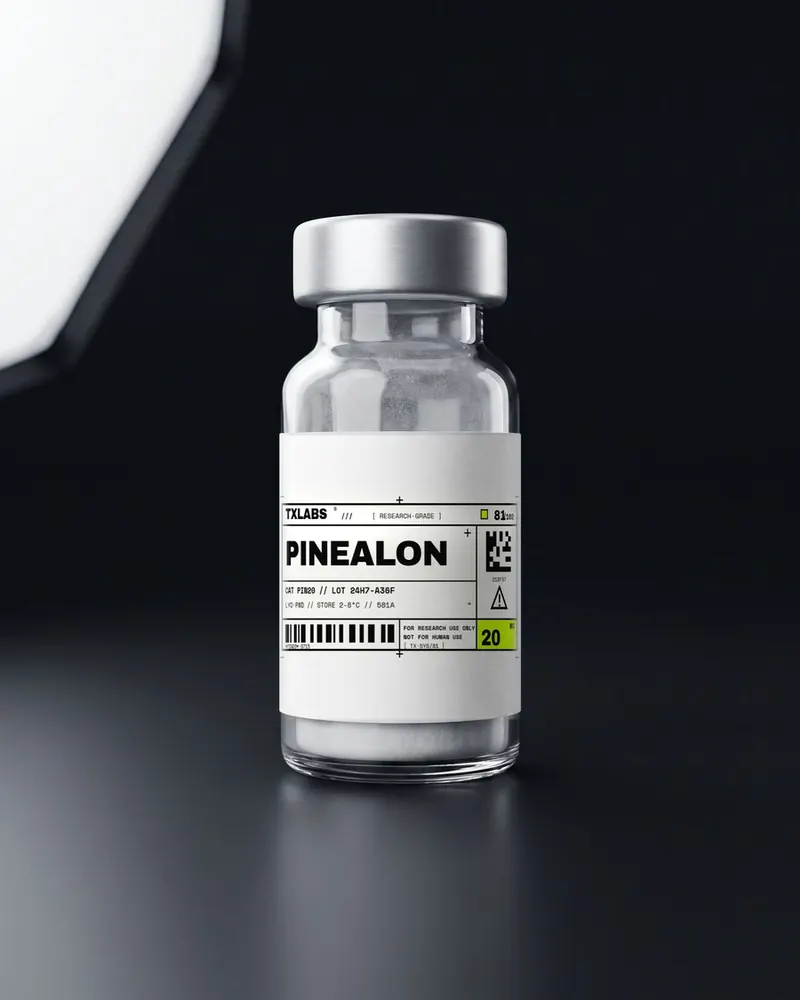
Pinealon
Pinealon (Glu-Asp-Arg, EDR) is a short peptide bioregulator of the Khavinson class studied in research on brain function. A synthetic tripeptide, it is investigated in preclinical models of central nervous system activity, neuronal protection against oxidative stress and cognition.
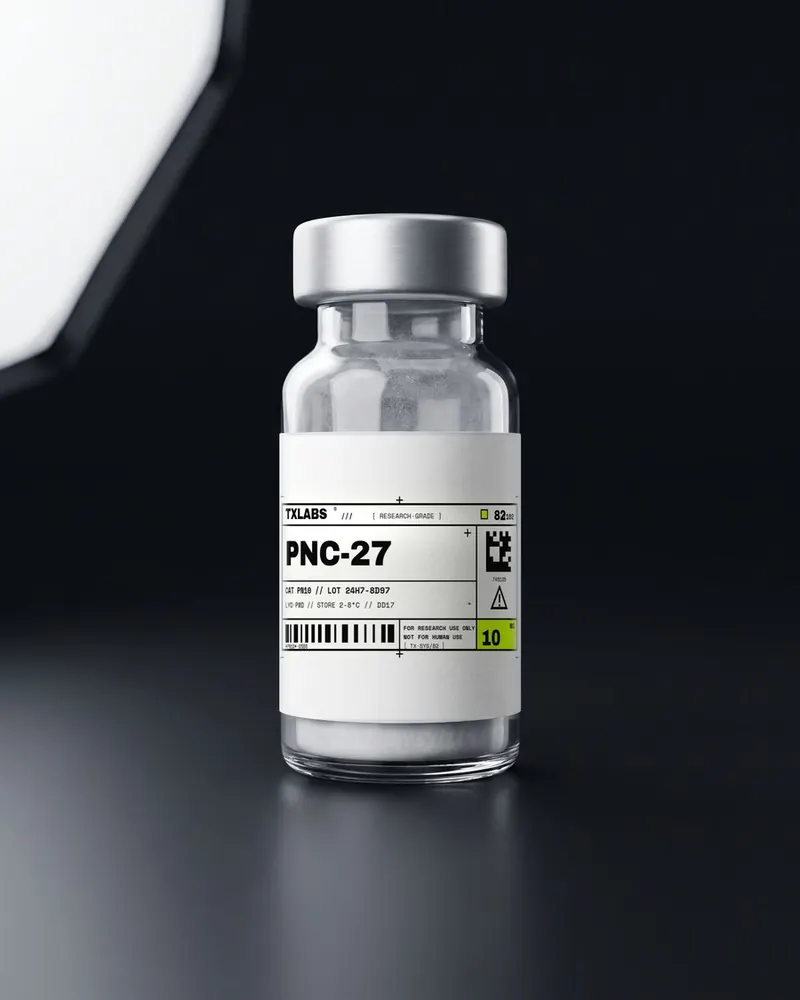
PNC 27
PNC 27 is a chimeric p53-penetratin peptide studied for its selective binding to membrane HDM-2 in cancer cell research. Combining a p53-derived HDM-2-binding sequence with a membrane-residency segment, it is investigated in laboratory studies of transmembrane pore formation and p53-independent necrosis in transformed cell lines.
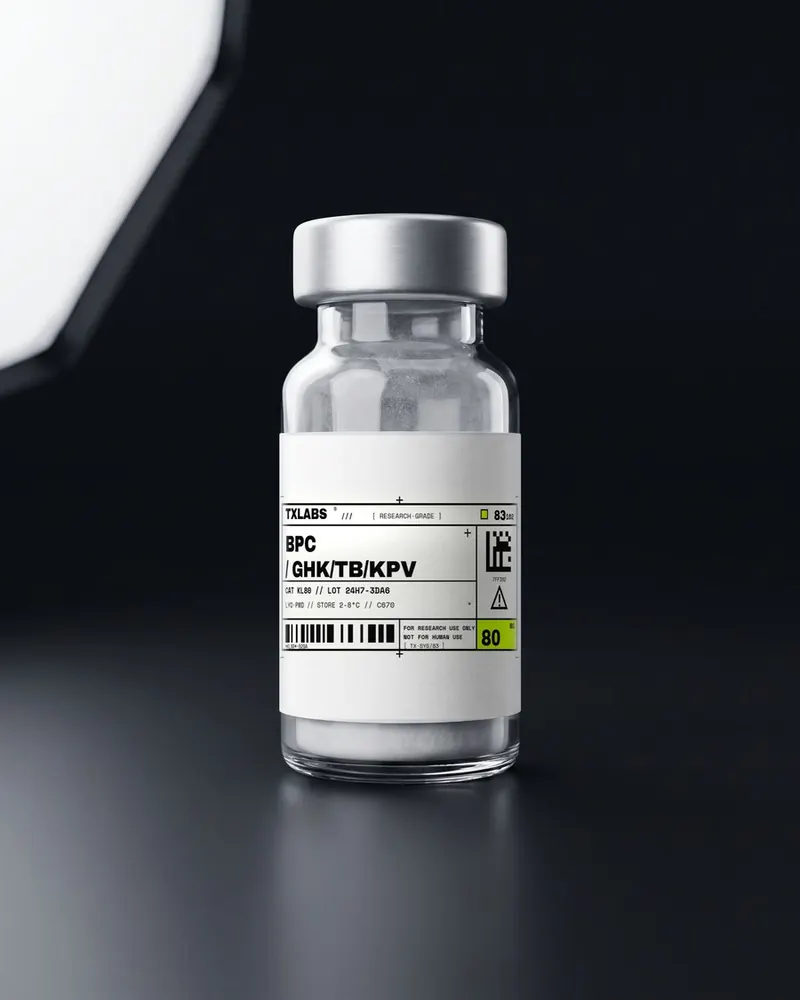
BPC 157 10mg+GHK-CU 50mg+TB500 10mg+KPV 10mg
This blend combines BPC 157, GHK-Cu, TB-500 and KPV, four peptides studied together in laboratory research on tissue repair and inflammation. BPC 157 (gastric pentadecapeptide) is studied for vascular and tissue repair, GHK-Cu (copper tripeptide) for matrix remodelling, TB-500 (thymosin beta-4 fragment) for cell migration and angiogenesis, and KPV (alpha-MSH tripeptide) for anti-inflammatory activity.
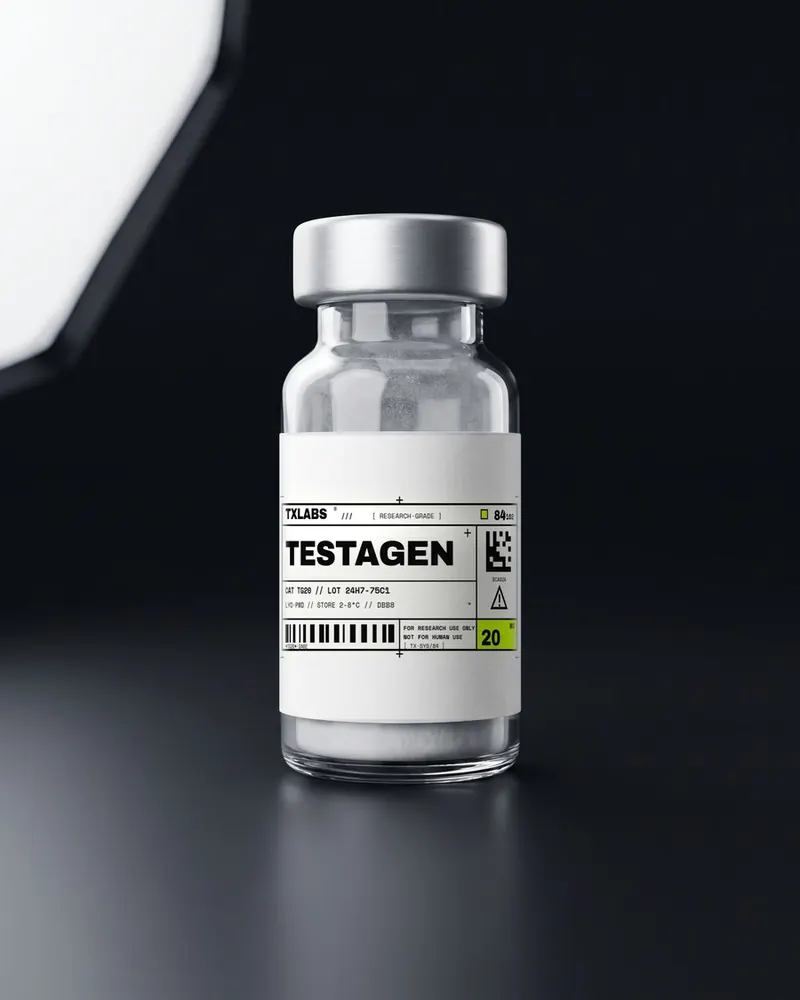
Testagen
Testagen (Lys-Glu-Asp-Gly, KEDG) is a synthetic tetrapeptide bioregulator of the Khavinson class studied in reproductive-tissue research. It is investigated in preclinical studies of testicular tissue and hypothalamic-pituitary-gonadal axis regulation, and is described as a tissue-specific short peptide affecting gene expression.
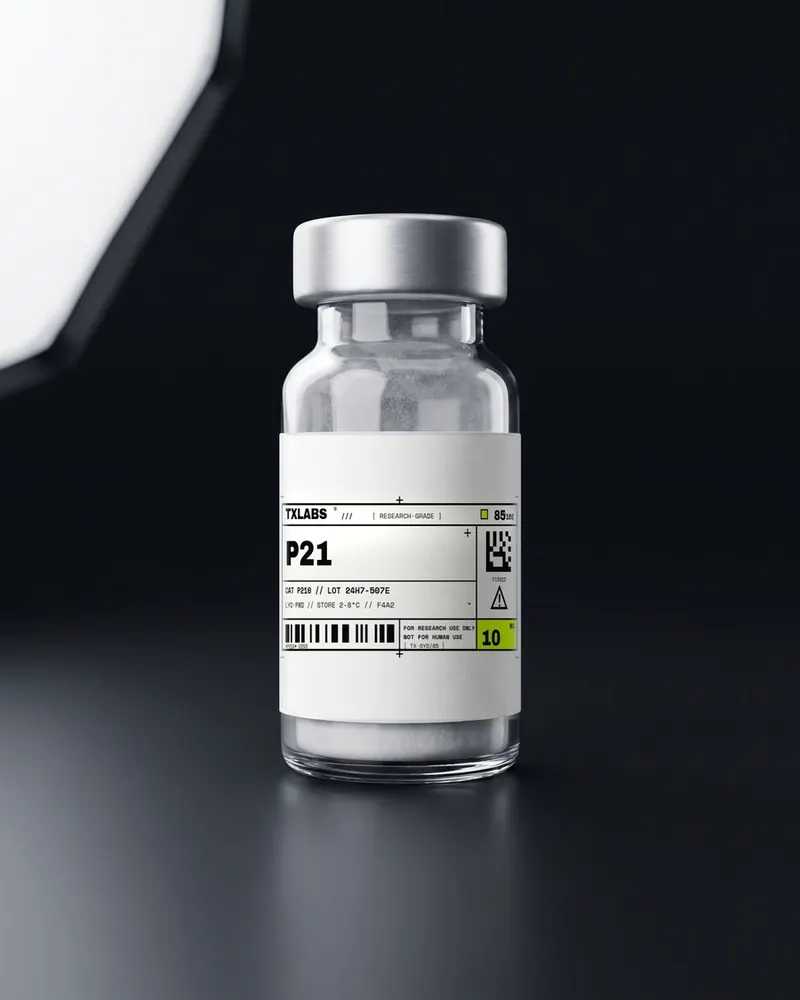
P21 (non-Adamantane)
P21 (P021, CNTF-derived peptide) is a synthetic neurotrophic peptide studied in research on memory and neurogenesis. This non-adamantane form is an unmodified CNTF-mimetic peptide, originally reverse-engineered from Cerebrolysin, investigated in preclinical models of hippocampal neurogenesis, synaptic plasticity and learning.
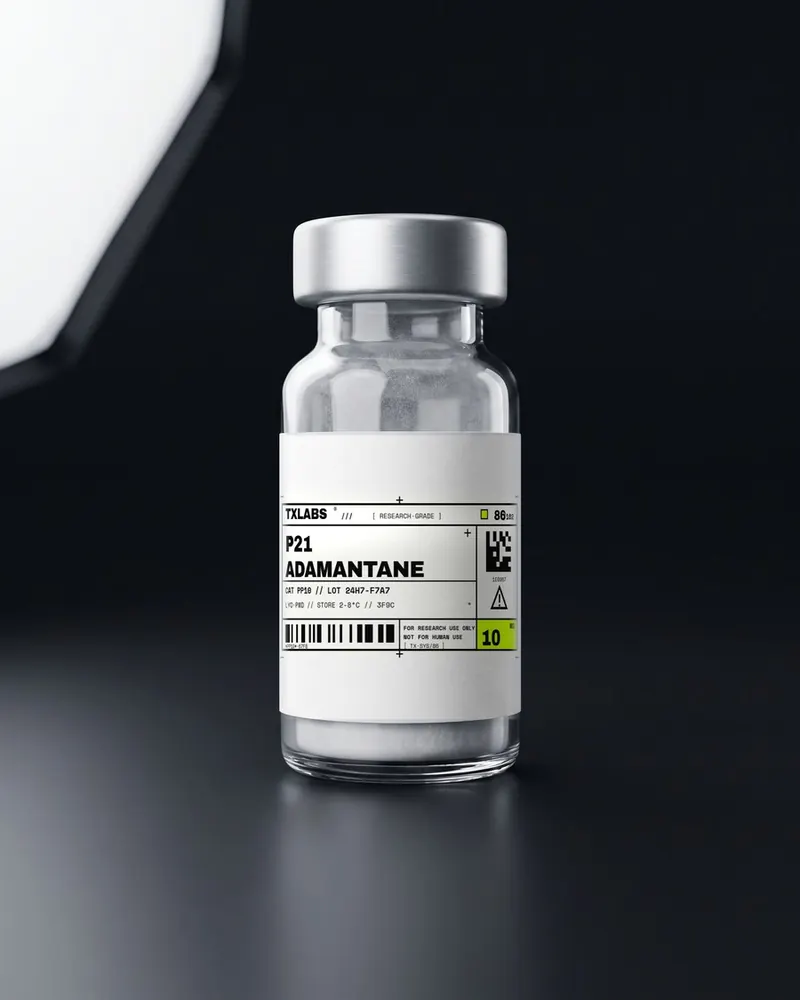
P21 (Adamantane)
P21 (P021, adamantane-modified CNTF peptide) is a synthetic neurotrophic peptide studied in research on memory and neurogenesis. The adamantane group (Ac-DGGL-adamantane) is added to improve stability and blood-brain barrier penetration; it is investigated in preclinical models of neurogenesis, synaptic plasticity and cognition.
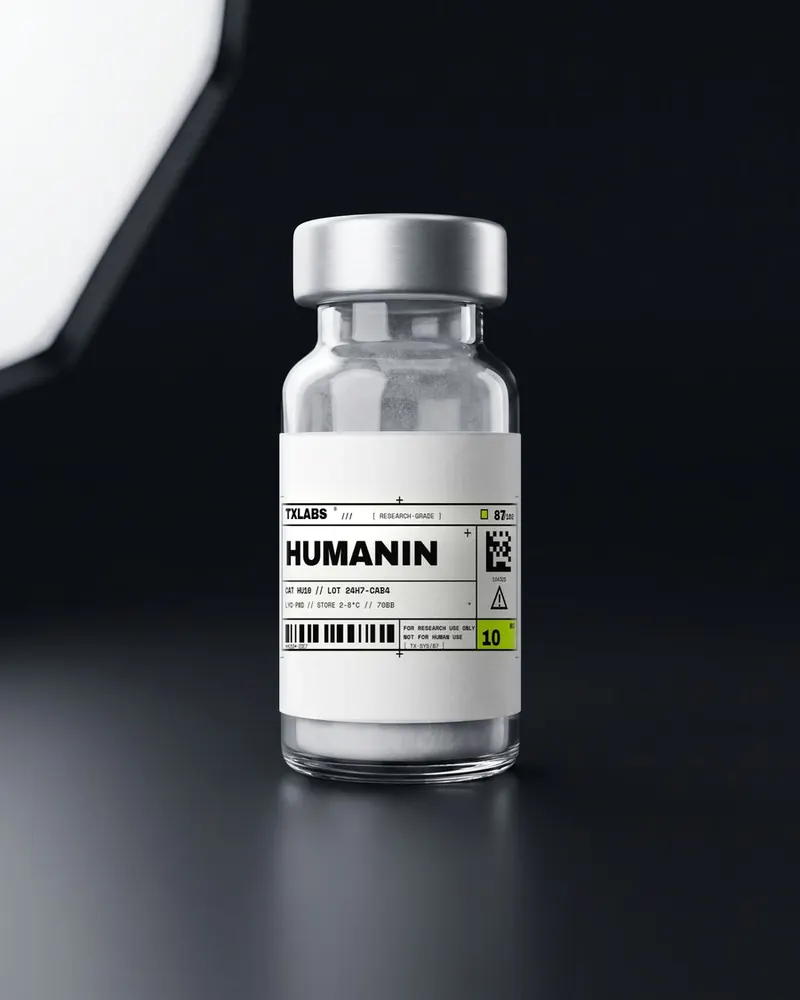
Humanin
Humanin is a 24-amino-acid mitochondrial-derived peptide studied for its cytoprotective, anti-apoptotic activity. Encoded within the mitochondrial genome, it is investigated in laboratory research on cellular stress resistance, amyloid-beta toxicity, metabolic regulation and JAK/STAT signalling.
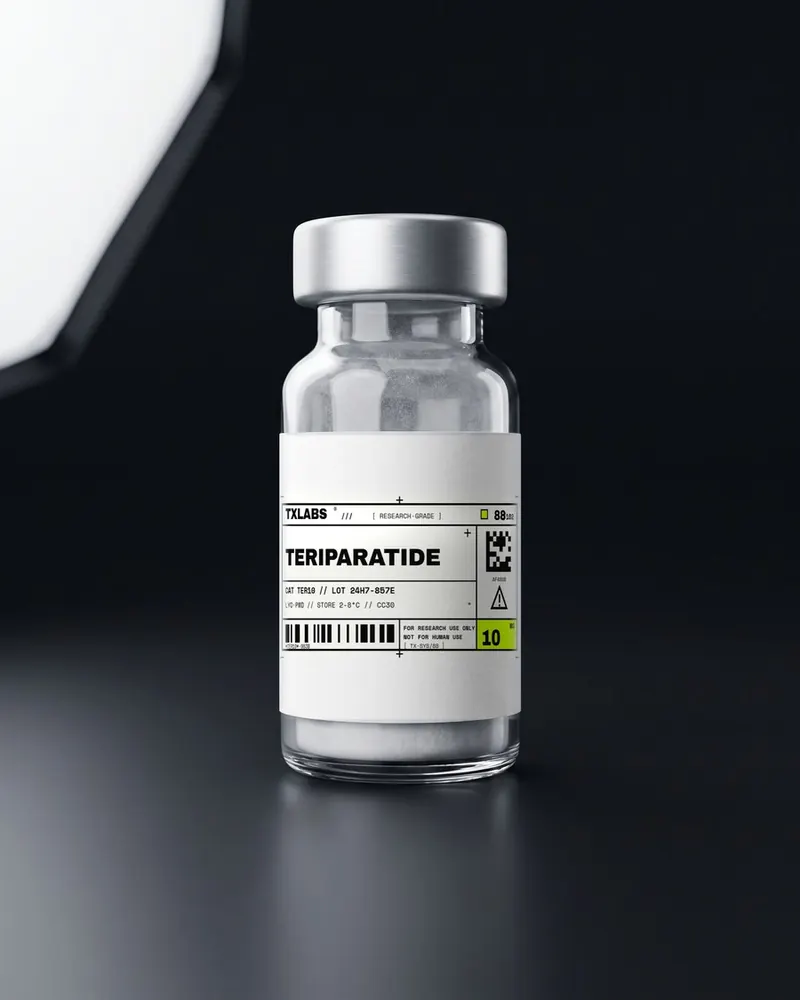
Teriparatide
Teriparatide (recombinant human PTH 1-34) is the N-terminal fragment of parathyroid hormone studied in bone-formation research. Corresponding to the first 34 amino acids of parathyroid hormone, it is used as a reference in preclinical studies of osteoblast activity and bone anabolism under intermittent exposure.

Bronchogen
Bronchogen (Ala-Glu-Asp-Leu, AEDL) is a synthetic tetrapeptide bioregulator of the Khavinson class studied in respiratory-tissue research. It is investigated in preclinical studies of bronchial and pulmonary tissue and is described as a tissue-specific short peptide affecting gene expression in lung cells.
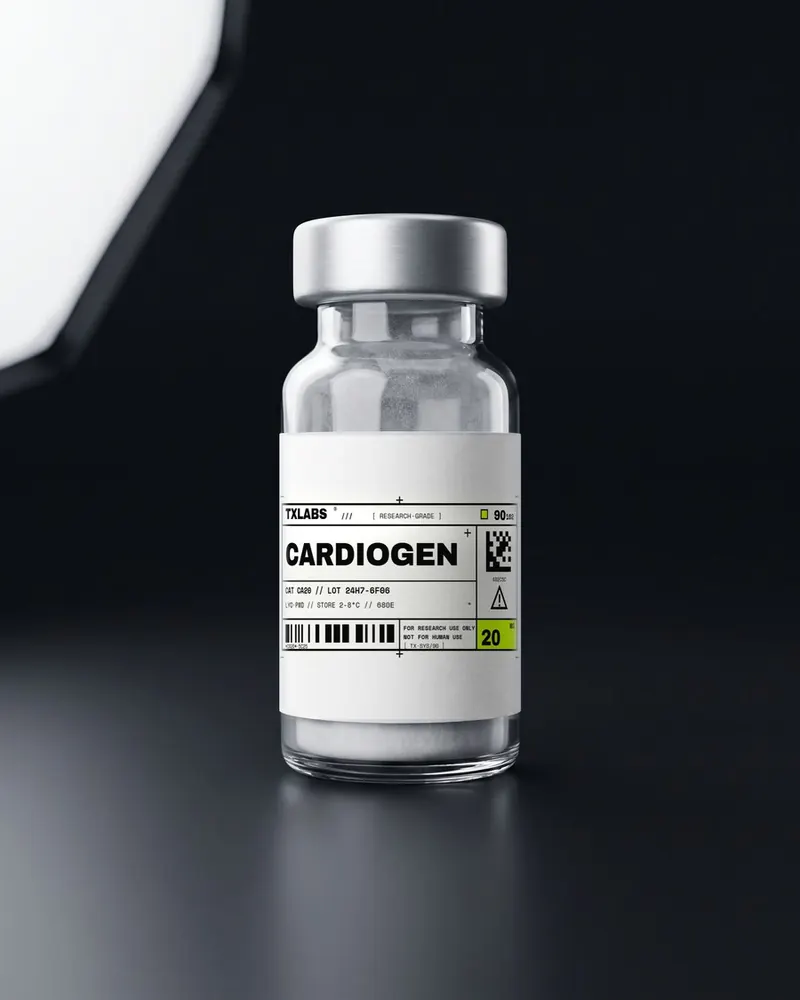
Cardiogen
Cardiogen (Ala-Glu-Asp-Arg, AEDR) is a synthetic tetrapeptide bioregulator of the Khavinson class studied in cardiac-tissue research. Developed at the St Petersburg Institute of Bioregulation and Gerontology, it is investigated in preclinical studies of myocardial tissue and cardiomyocyte gene expression.
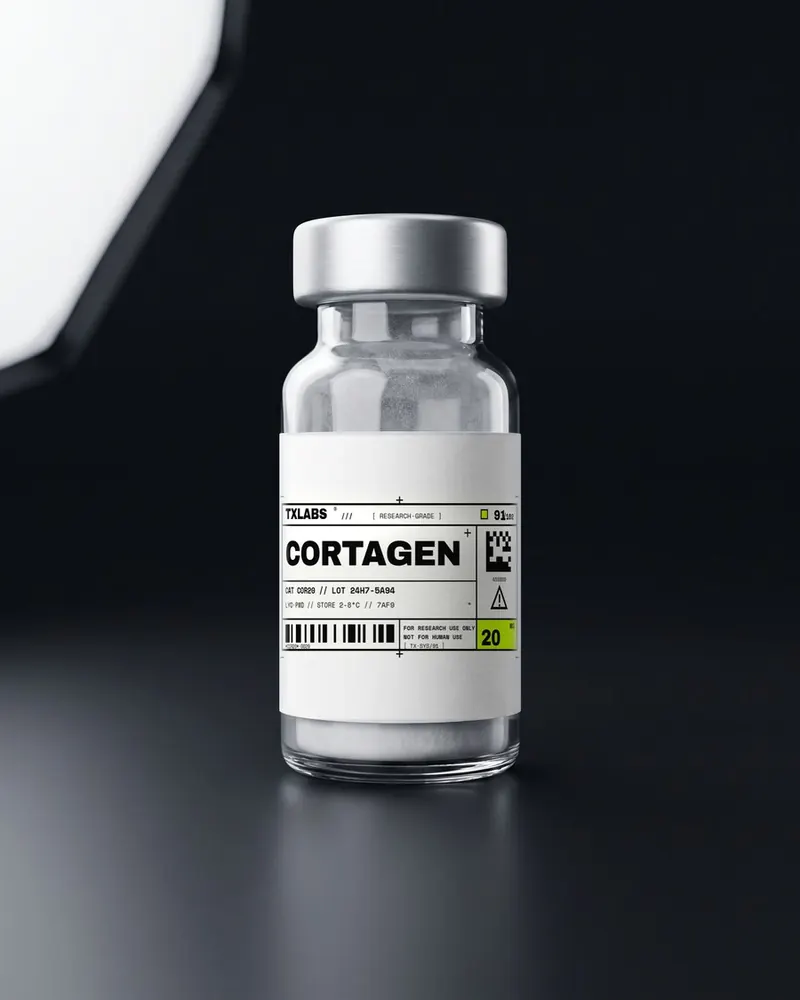
Cortagen
Cortagen (Ala-Glu-Asp-Pro, AEDP) is a synthetic tetrapeptide bioregulator associated with the brain and cerebral cortex. Part of the Khavinson short-peptide class, it is studied in preclinical research on neuronal tissue and gene-expression regulation. Cortagen is supplied as a research reference material for investigations into cortical peptide signalling.
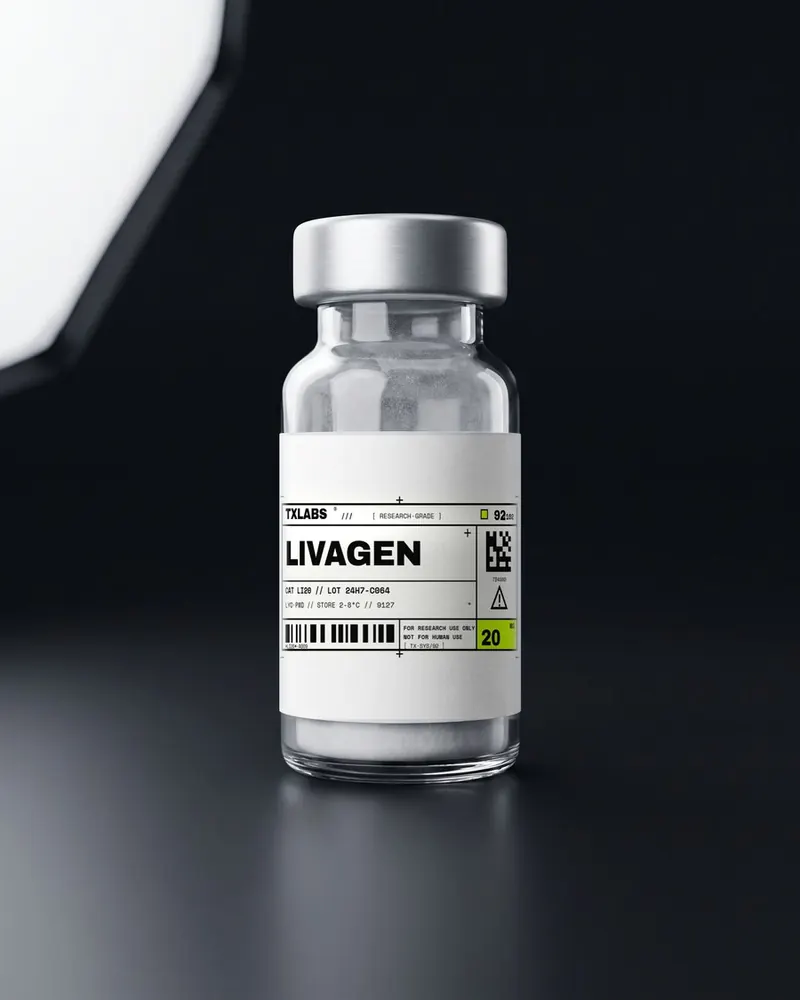
Livagen
Livagen (Lys-Glu-Asp-Ala, KEDA) is a synthetic tetrapeptide bioregulator associated with liver tissue. A member of the Khavinson short-peptide family, it is investigated in laboratory studies of hepatic cell function and age-related gene expression. Livagen is used as a reference material in research on liver tissue regulation.
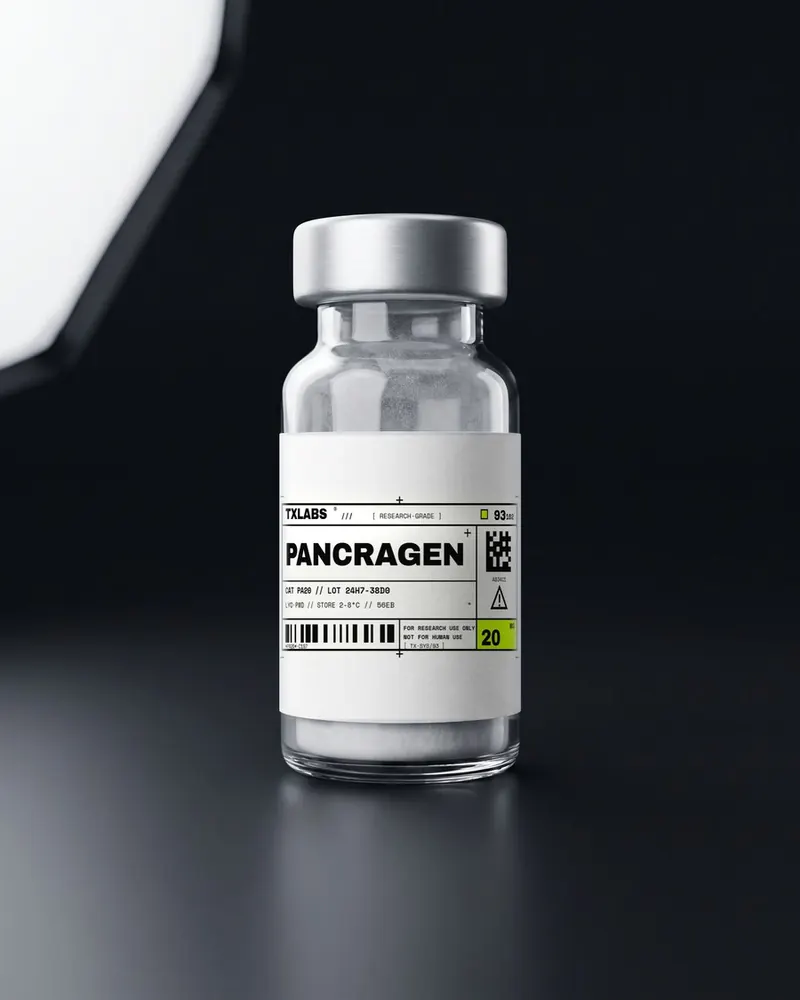
Pancragen
Pancragen (Lys-Glu-Asp-Trp, KEDW) is a synthetic tetrapeptide bioregulator associated with pancreatic tissue. One of the Khavinson short peptides, it is studied in preclinical research on pancreatic cell function and tissue-specific gene expression. Pancragen serves as a research reference for studies of pancreatic peptide regulation.

Prostamax
Prostamax (Lys-Glu-Asp-Pro, KEDP) is a synthetic tetrapeptide bioregulator associated with prostate tissue. Part of the Khavinson short-peptide class, it is investigated in preclinical models of prostatic cell function and tissue-specific gene expression. Prostamax is supplied as a reference material for prostate tissue research.
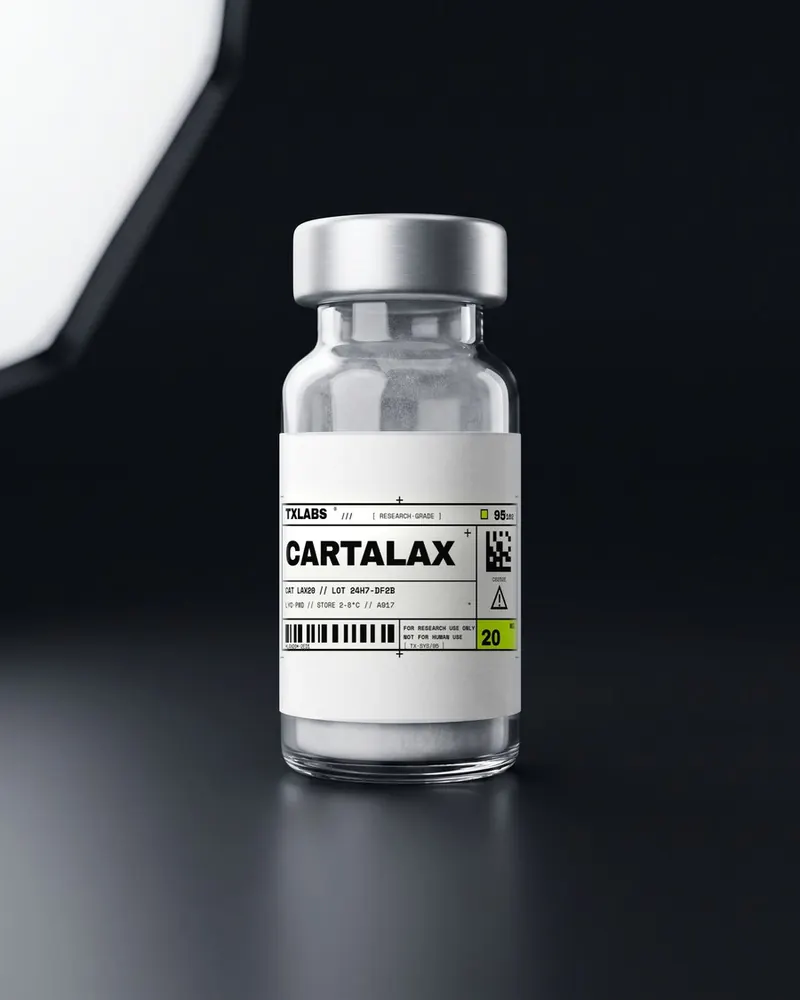
Cartalax
Cartalax (Ala-Glu-Asp, AED) is a synthetic tripeptide bioregulator associated with cartilage and bone tissue. A Khavinson short peptide with a sequence found in type XI collagen, it is studied in laboratory research on musculoskeletal cells and matrix gene expression. Cartalax is used as a reference material in connective-tissue research.
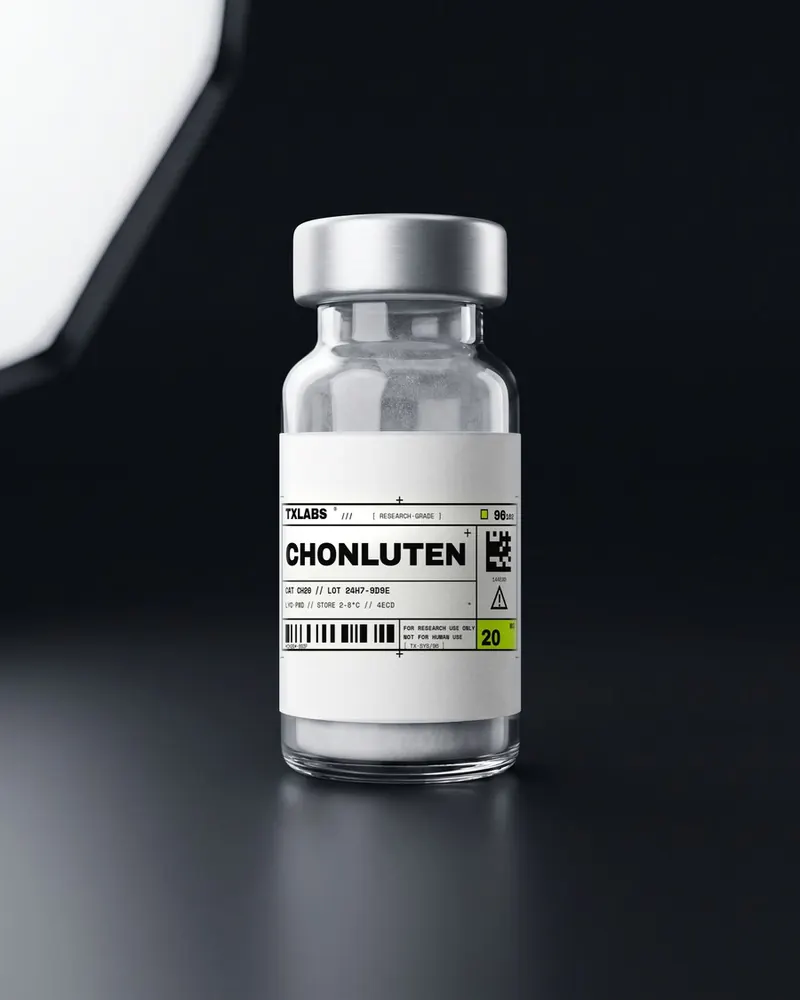
Chonluten
Chonluten (Glu-Asp-Gly, EDG) is a synthetic tripeptide bioregulator associated with lung and bronchial tissue. Originally derived from bronchial epithelial peptides, this Khavinson short peptide is investigated in preclinical research on respiratory cell function and gene expression. Chonluten serves as a research reference for pulmonary tissue studies.
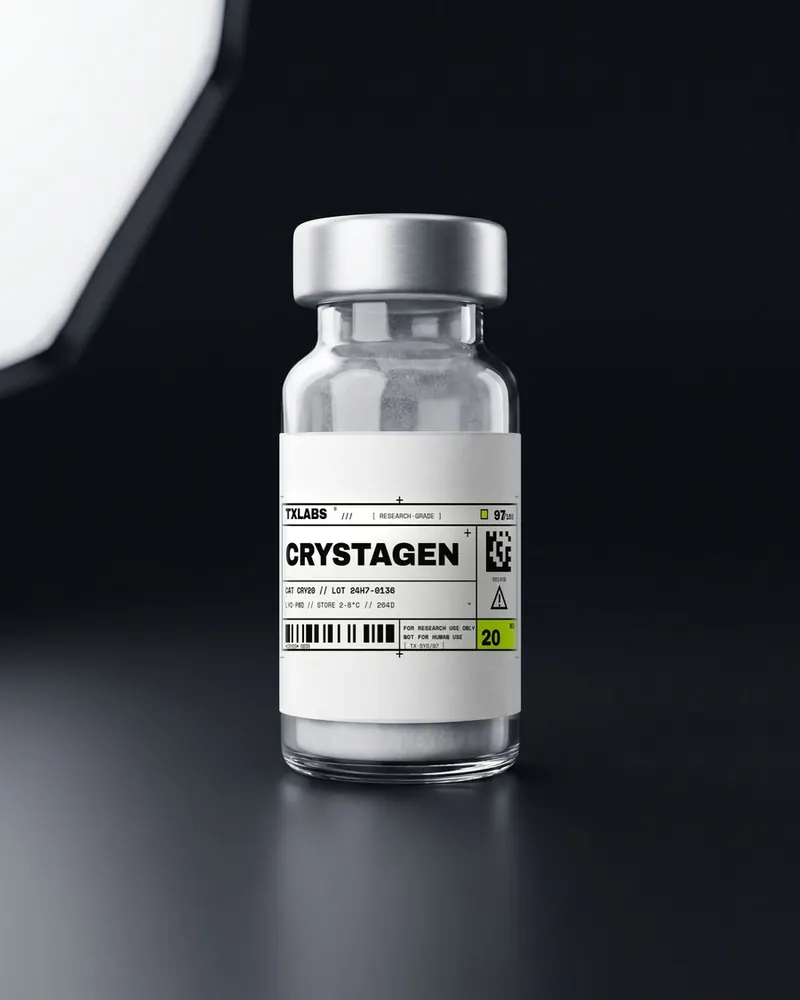
Crystagen
Crystagen (Glu-Asp-Pro, EDP) is a synthetic tripeptide bioregulator associated with the immune system and thymus. Part of the Khavinson short-peptide class, it is studied in preclinical research on immune cell function and tissue-specific gene expression. Crystagen is supplied as a reference material for immunological peptide research.
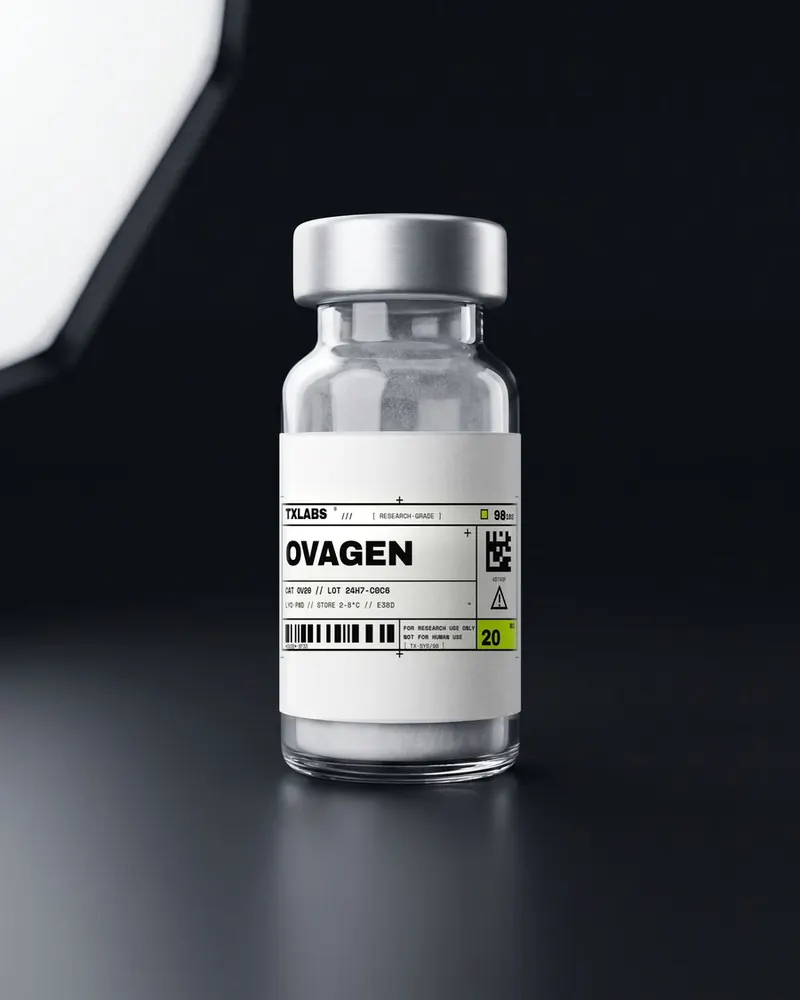
Ovagen
Ovagen (Glu-Asp-Leu, EDL) is a synthetic tripeptide bioregulator associated with liver and intestinal tissue. A Khavinson short peptide, it is investigated in laboratory studies of hepatic and gastrointestinal cell function and age-related gene expression. Ovagen is used as a reference material in liver and gut tissue research.

Vesugen
Vesugen (Lys-Glu-Asp, KED) is a synthetic tripeptide bioregulator associated with vascular tissue and blood vessels. One of the Khavinson short peptides, it is studied in preclinical research on endothelial cell function and vascular gene expression. Vesugen serves as a research reference for studies of vascular peptide regulation.
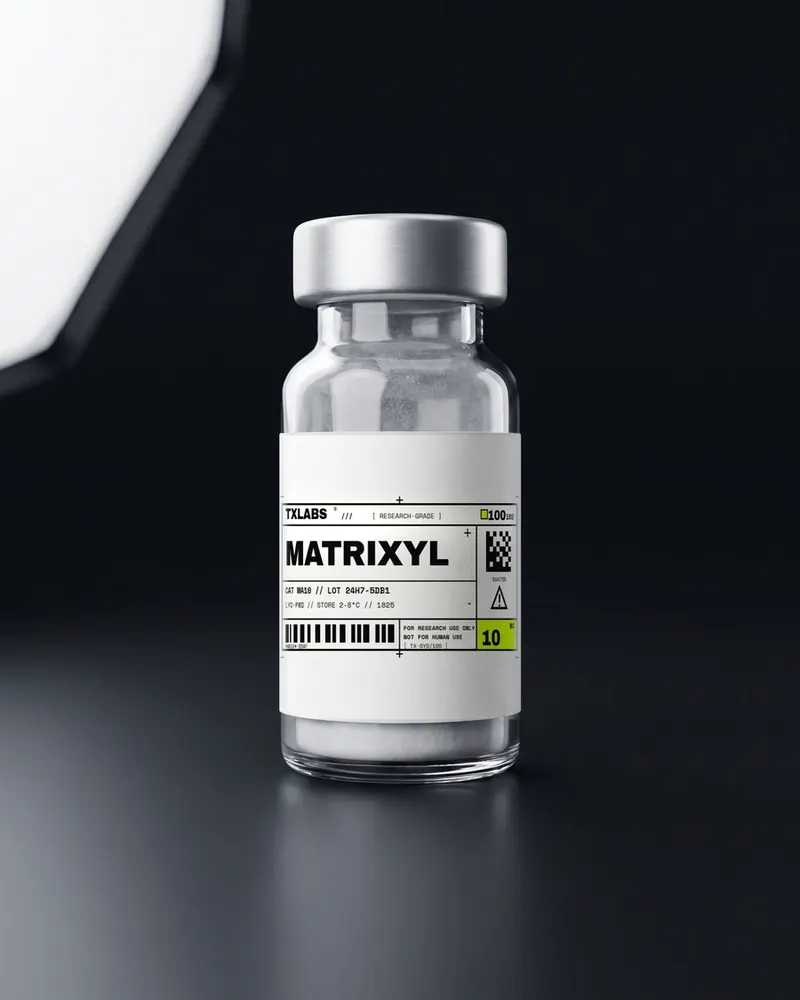
Matrixyl
Matrixyl (palmitoyl pentapeptide-4, Pal-KTTKS) is a synthetic matrikine peptide that signals extracellular-matrix and collagen pathways. It has been studied in laboratory research on fibroblast activity, collagen synthesis and dermal matrix models. Matrixyl is supplied as a reference material for matrikine and skin-model research.
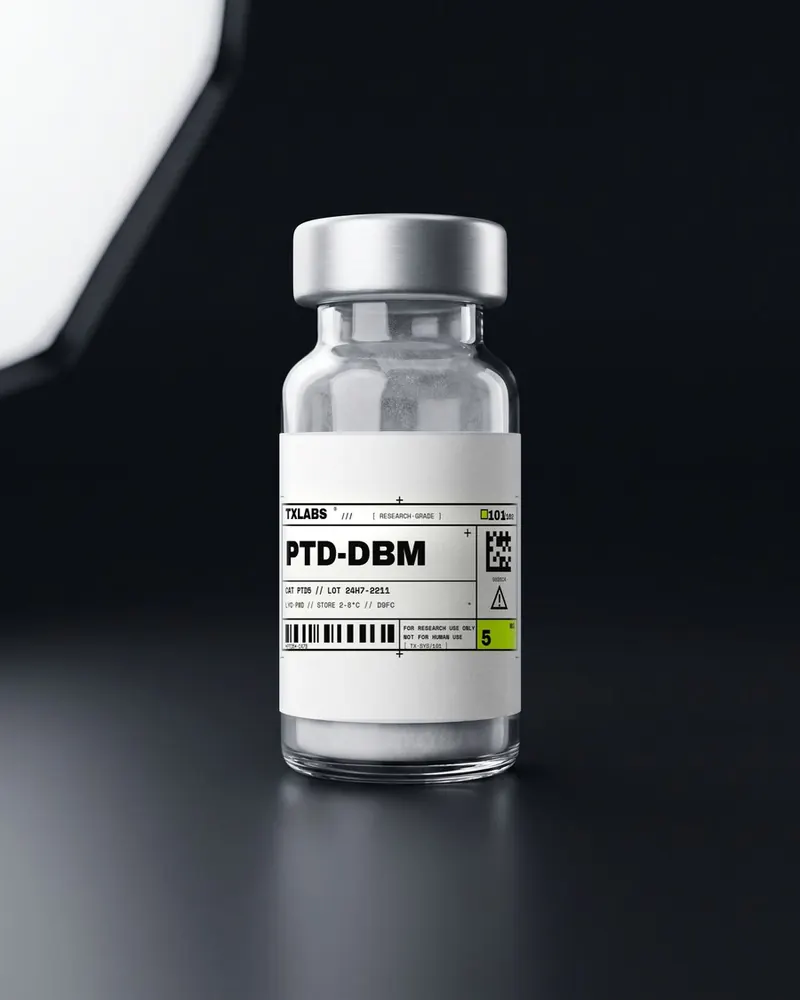
PTD-DBM
PTD-DBM is a synthetic cell-penetrating peptide that disrupts CXXC5-Dishevelled binding to activate the Wnt/beta-catenin pathway. It combines a protein transduction domain with a Dishevelled-binding motif and is investigated in preclinical hair-follicle and wound-healing research. PTD-DBM is used as a reference compound in Wnt signalling studies.
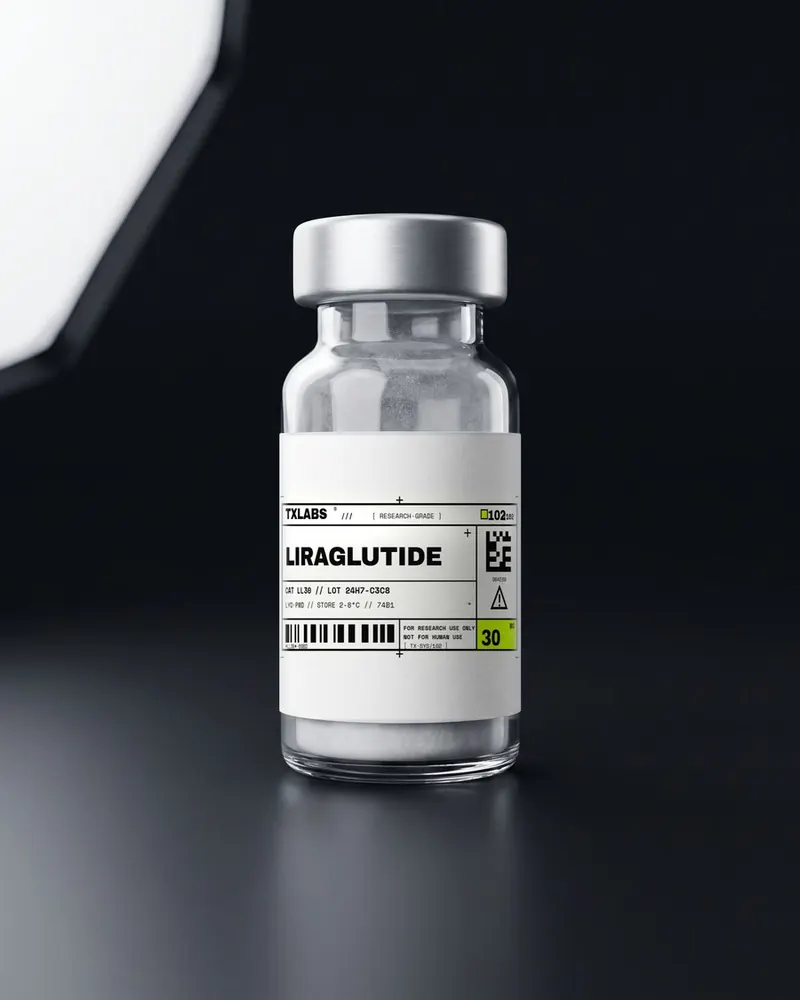
Liraglutide
Liraglutide is a synthetic GLP-1 (glucagon-like peptide-1) receptor agonist that binds and activates the GLP-1 receptor. This acylated peptide analogue is investigated in preclinical research on incretin signalling, glucose metabolism and appetite-regulating pathways. Liraglutide serves as a reference standard in GLP-1 receptor studies.